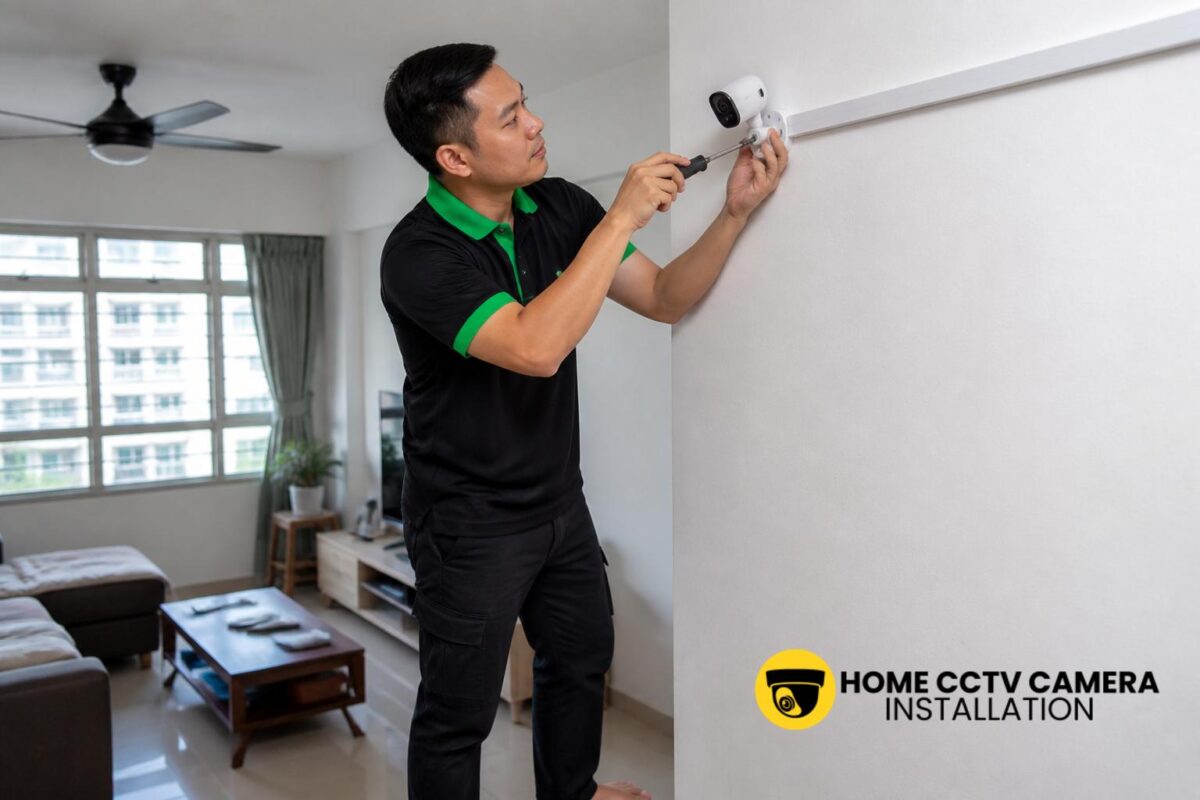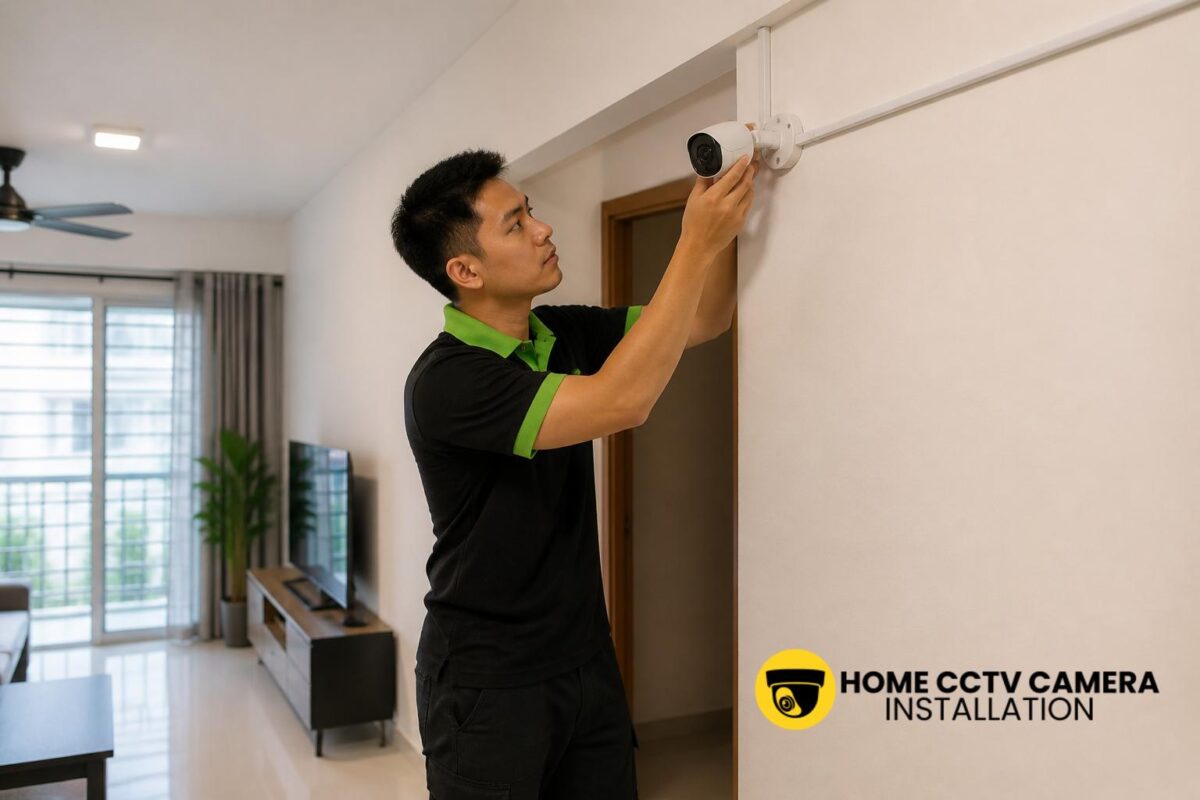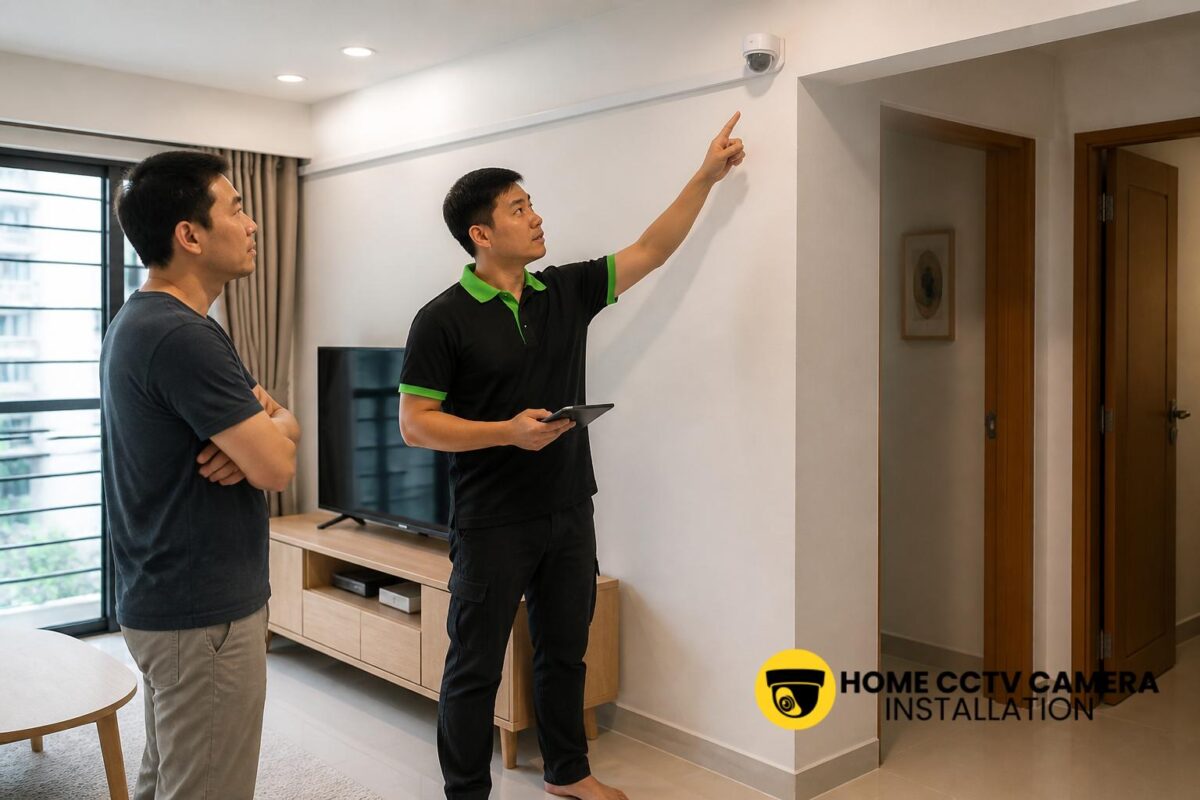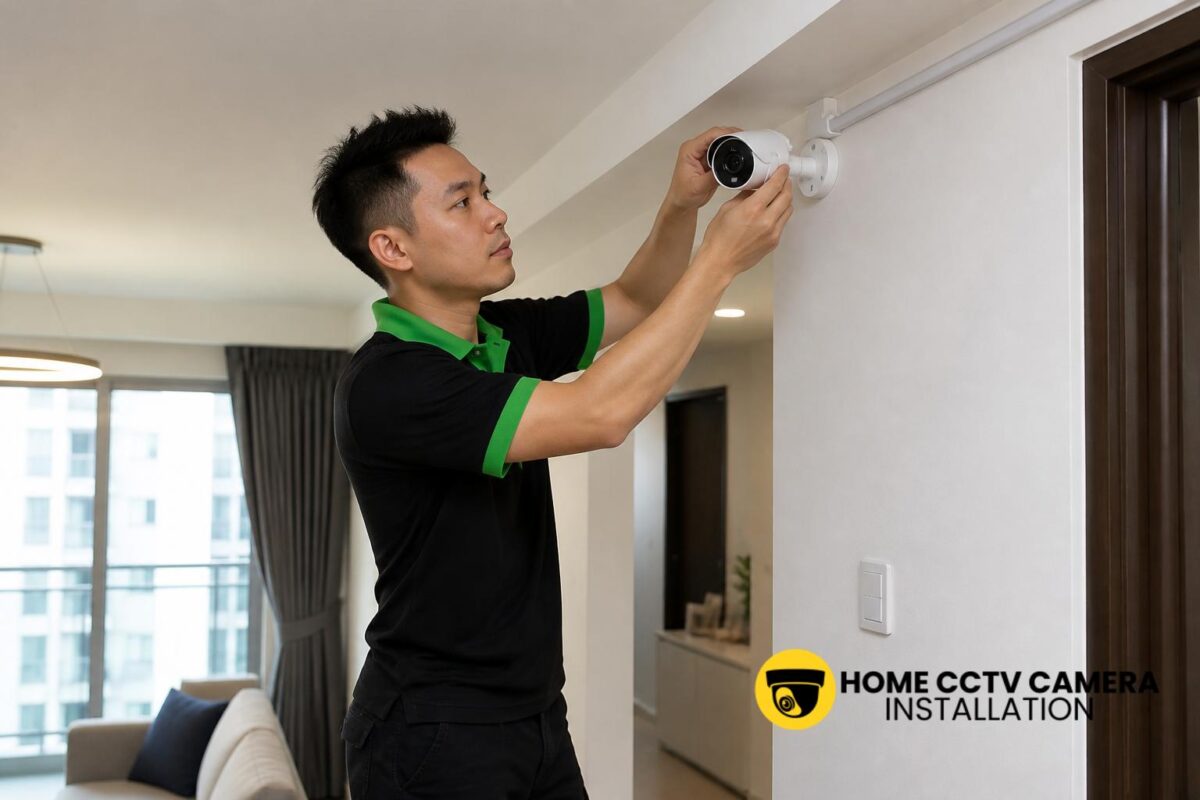

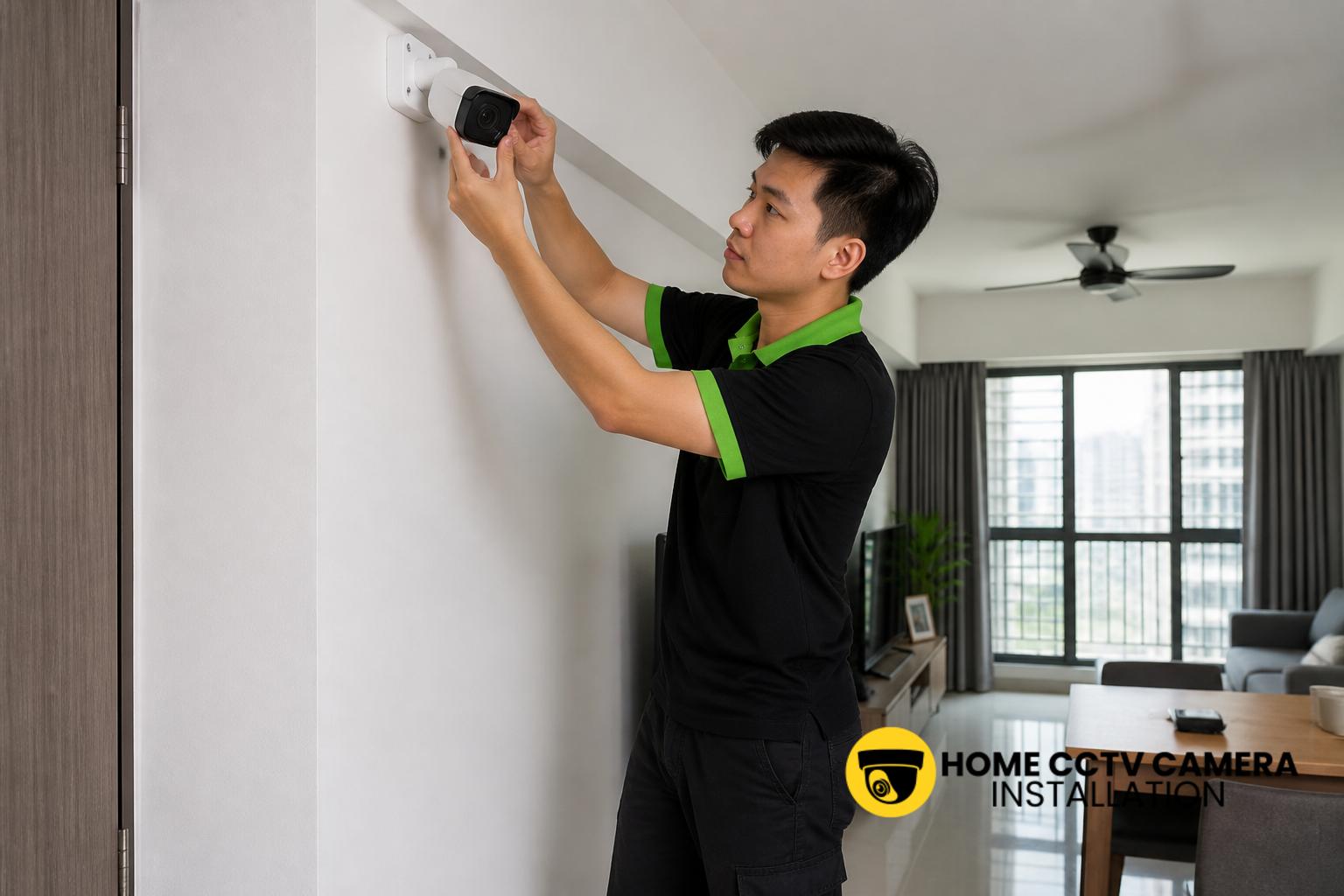
CCTV installation in Singapore involves more than fixing a camera onto a wall or ceiling. For most homes, the service should cover planning, cabling, power considerations, camera positioning, device setup and proper testing so the system works as intended in an HDB flat, condominium or landed property. When these steps are handled properly, the installation is neater, safer and easier to maintain over time.
Camera placement planning for the right coverage
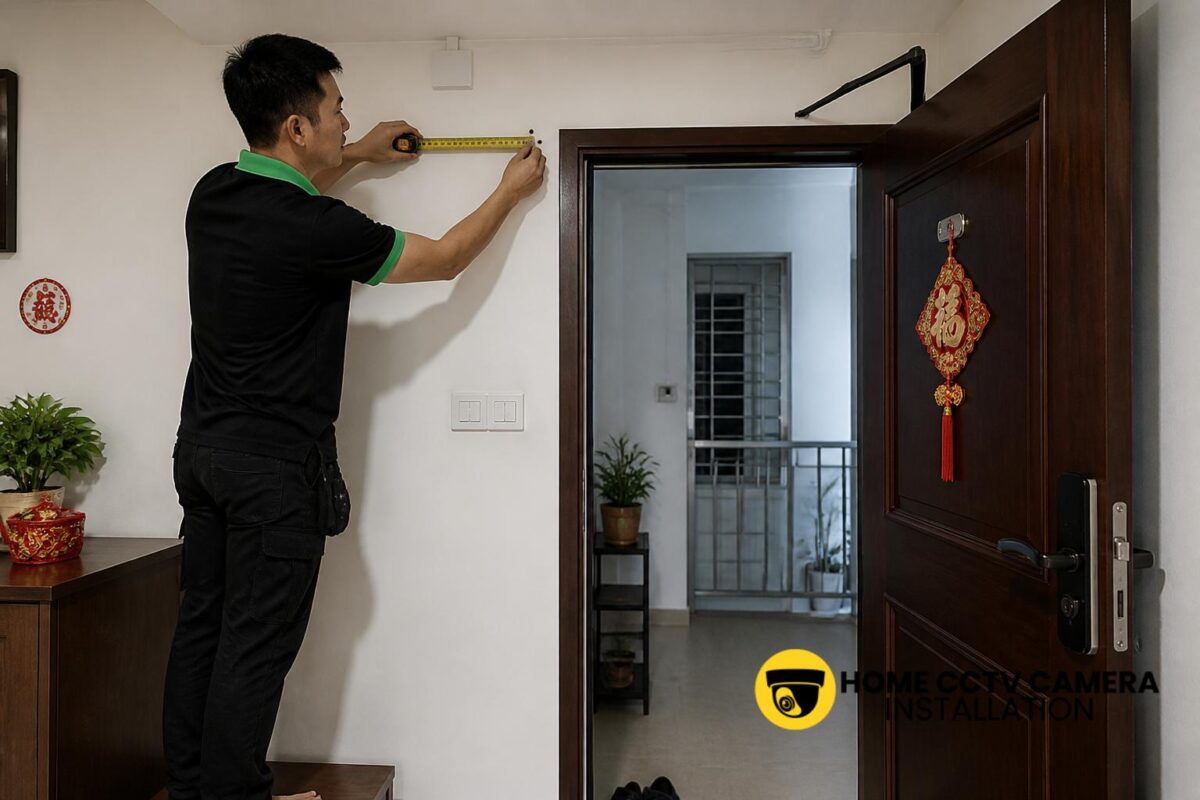
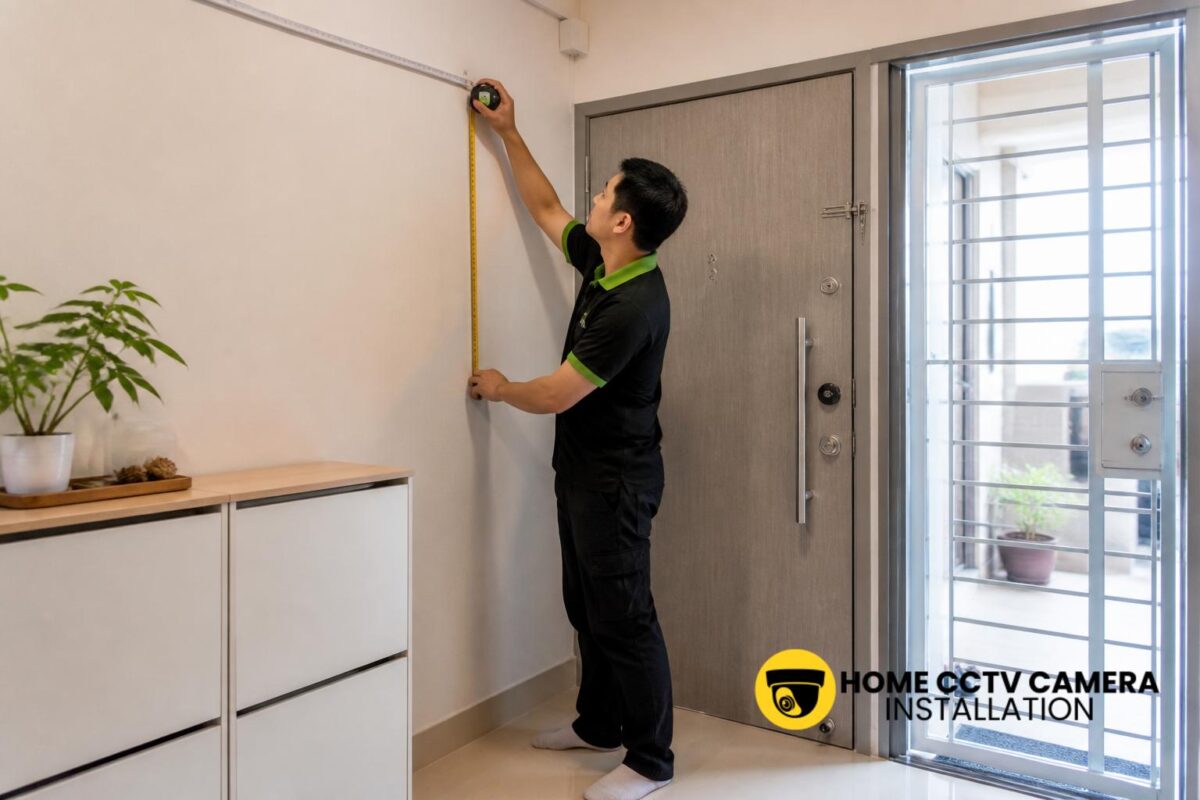
Before any drilling begins, a proper installer should assess where each camera needs to look and what the homeowner actually wants to monitor. Common residential locations include the main gate, front door, service yard, living room, corridor, driveway, side entrance and backyard. The aim is not simply to place cameras everywhere, but to position them where they can capture useful footage without unnecessary blind spots.
Good planning also takes into account the layout of the property, ceiling height, lighting conditions and whether the camera is meant to watch a wide area or a specific entry point. In Singapore homes, this is especially important in narrow entrances, common corridors, staircase areas and covered outdoor spaces where angle and distance affect what the camera can see.
Secure mounting and suitable installation surfaces
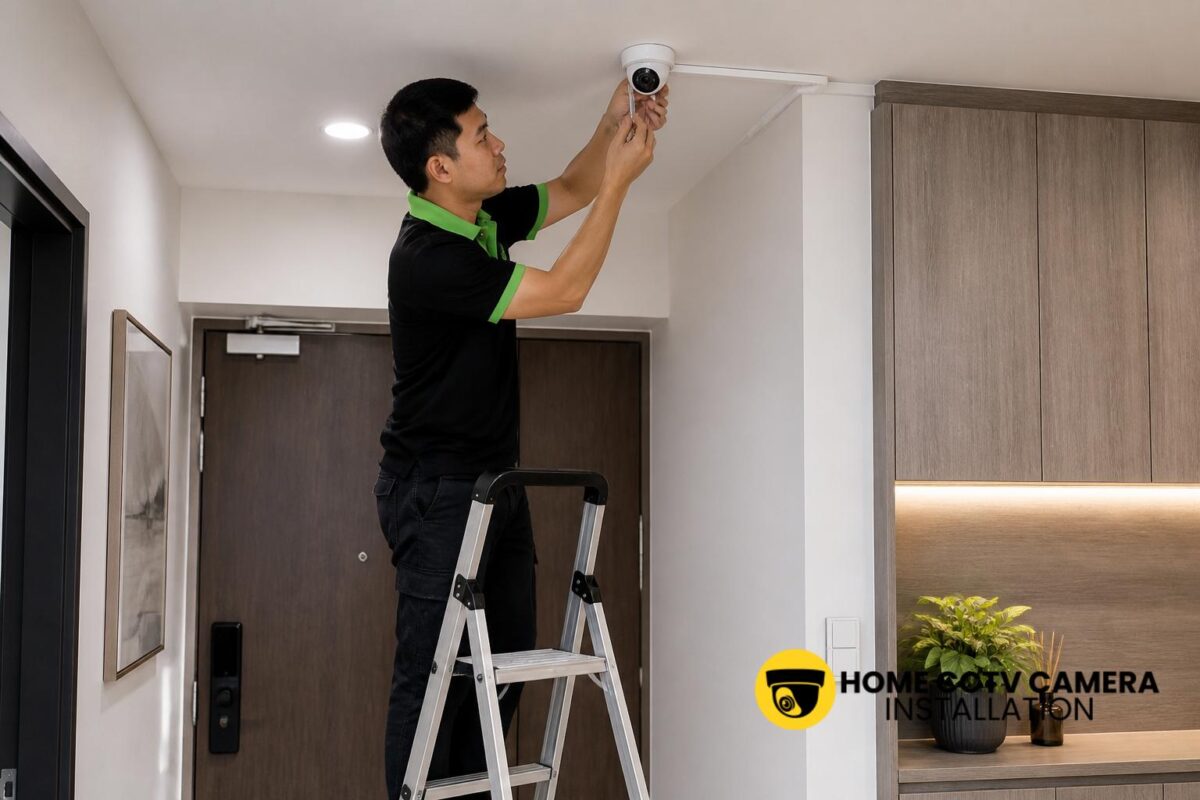
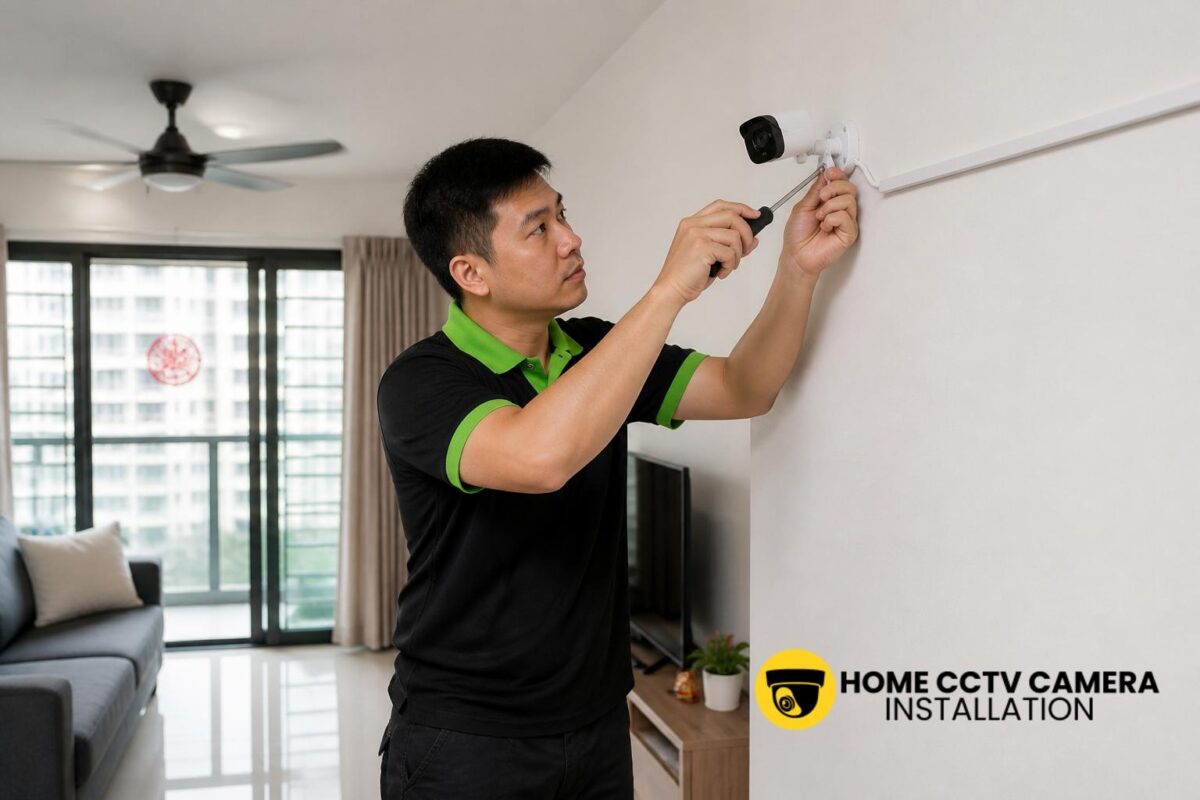
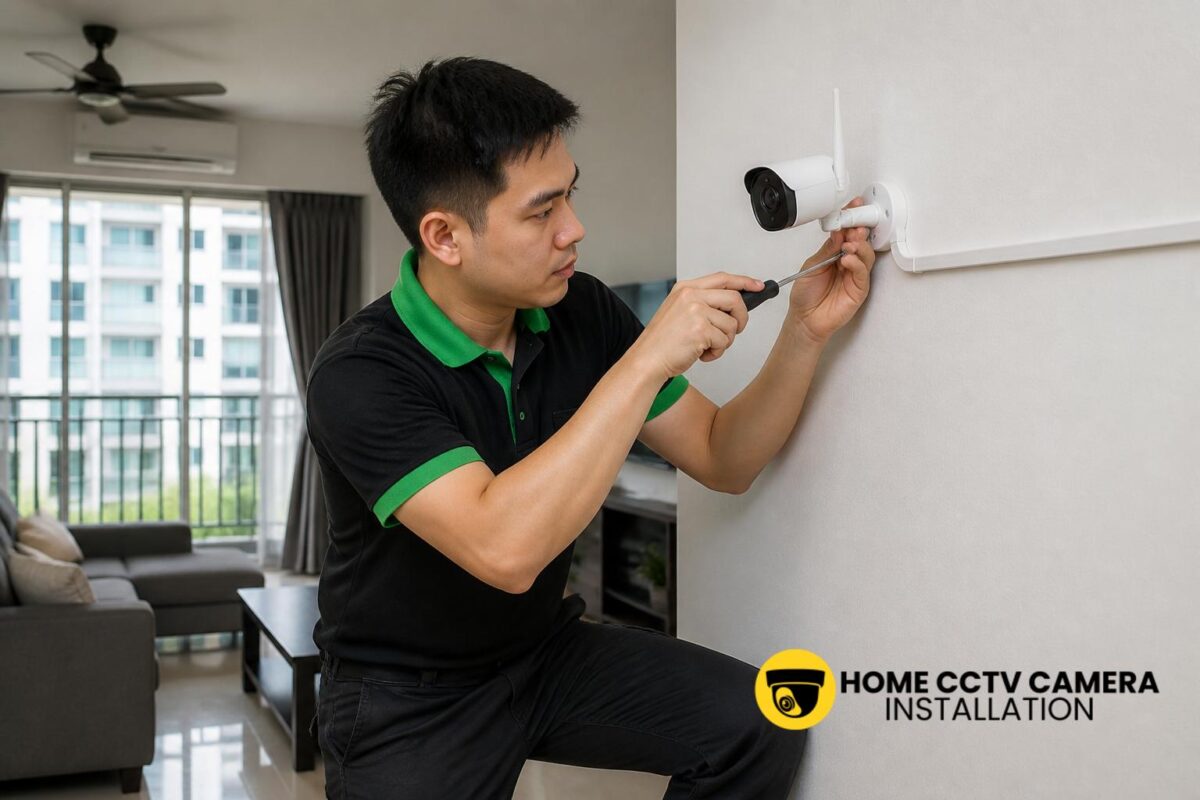
Mounting is only one part of the job, but it still needs to be done carefully. CCTV cameras should be fixed securely to walls, ceilings, eaves or other stable surfaces using the right brackets and fasteners. A reliable installation should keep the camera steady, level and protected from unnecessary movement caused by vibration or accidental knocks.
The installer should also consider whether the surface is concrete, plasterboard, timber or another material, as each requires different drilling and fixing methods. For landed homes, outdoor mounting may need additional attention to weather exposure, while in HDB flats and condominiums, the installer should work neatly within the available mounting points and property constraints.
Wiring, cable routing and power support
For wired CCTV systems, cabling is a major part of the installation. This includes routing power and network cables from the camera to the recorder, switch, power point or router, depending on the system design. Neat cable routing matters because it helps the installation look professional and reduces the risk of loose or exposed wires being damaged later.
In some homes, power-point support may be needed near the camera location or recording equipment. A proper installer should assess the most practical way to supply power without leaving awkward cable runs across visible surfaces. Where possible, cables should be concealed or clipped neatly along edges so the system blends in better with the home.
Recorder, app and network setup
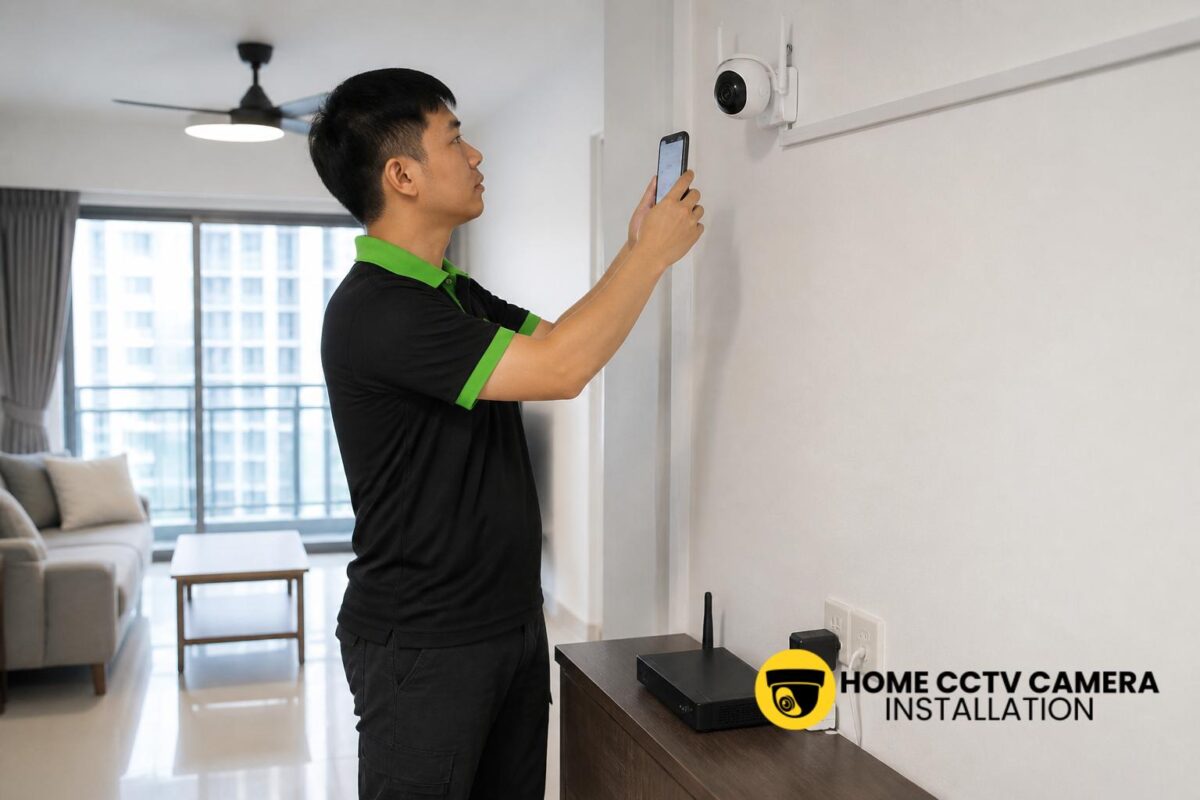
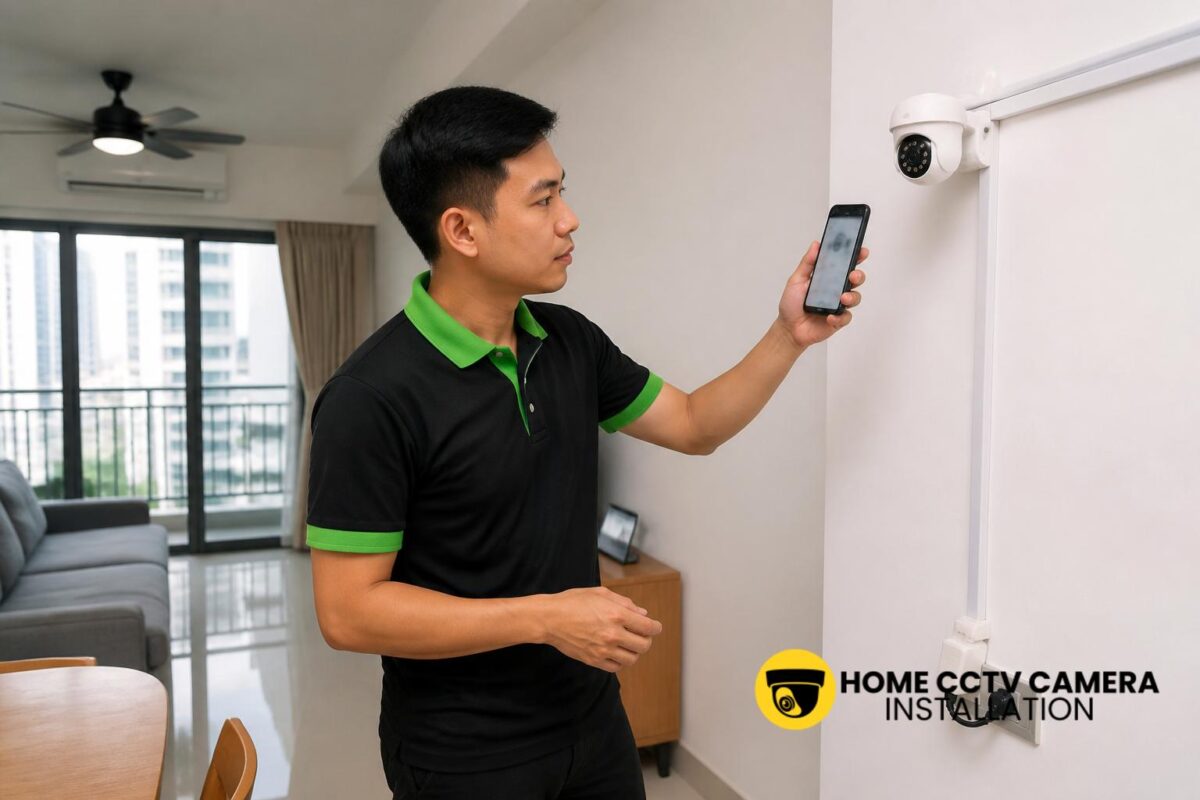
Installation also includes setting up the recording and viewing equipment, such as a DVR or NVR, and connecting the cameras to the system properly. This step ensures the cameras can record footage, store it and make it available for later review. If the system supports remote viewing, the installer should also help configure the relevant app or access settings.
For IP and security camera installations, network setup is often part of the service. That may involve connecting the cameras to the home network, assigning them correctly and confirming that live view and playback work on the chosen device. The exact scope can vary depending on whether the homeowner supplies the cameras or chooses a supply-and-install package.
Testing image quality, night vision and motion detection
A good installation should never end once the camera is mounted. Testing is important to confirm that the picture is clear, the viewing angle is correct and the camera is covering the intended area. The installer should check the daytime image, night view and any motion detection settings that are available on the system.
This is also the stage where small adjustments are made. A camera may need to be angled slightly downwards, repositioned a little higher or moved to reduce glare from lights or reflections from glass. These refinements help ensure the installed system performs properly in day-to-day use rather than only looking complete on paper.
Installation-only support versus supply-and-install
In Singapore, homeowners often choose between installation-only support and a full supply-and-install service. Installation-only support is suitable when the customer already has compatible cameras and simply needs professional mounting, cabling and setup. This can be useful if the equipment has already been purchased or if the homeowner wants to replace existing units.
Supply-and-install services, on the other hand, usually include camera selection, equipment provision and the full installation process. This route is often more convenient for homeowners who want a complete solution without having to coordinate parts separately. The best option depends on the current system, budget and whether any existing devices can be reused.
What installers should check before leaving the site
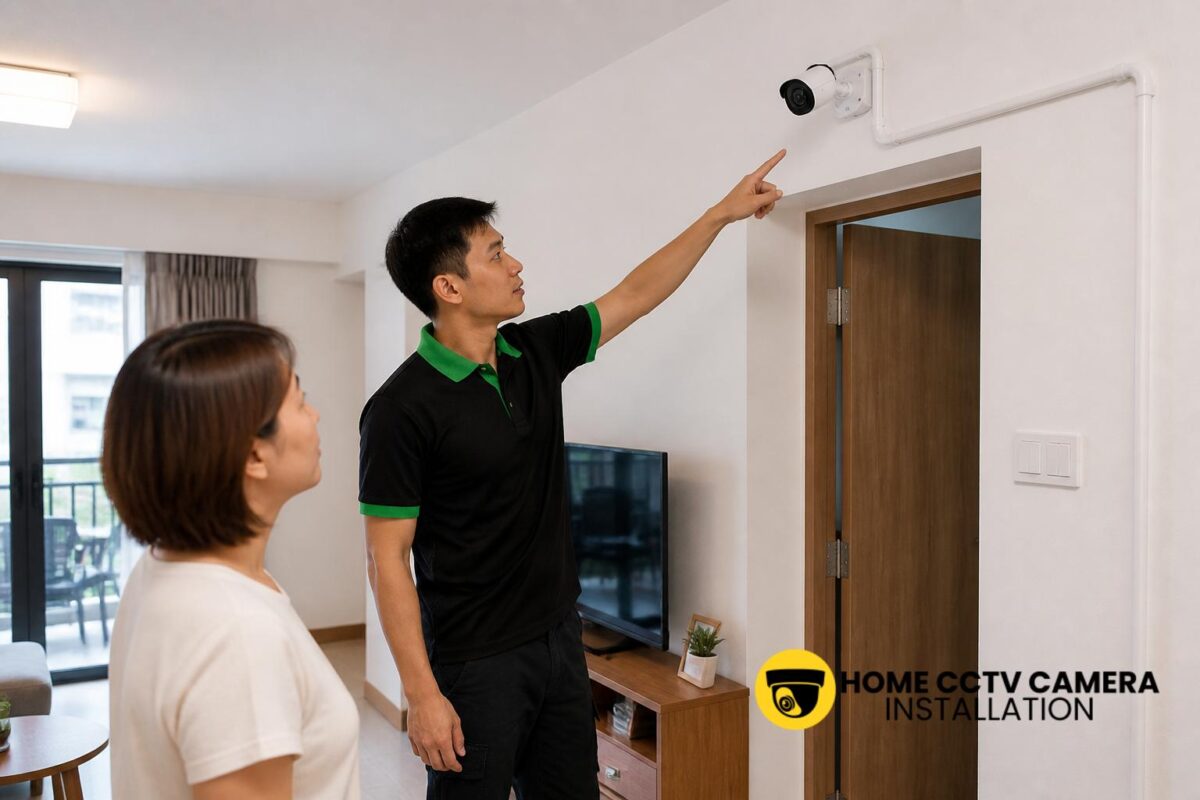
A proper CCTV installation in a Singapore home should end with a final checklist. This typically includes confirming that each camera is recording correctly, the footage can be viewed, the cable runs are tidy and the camera housings are secure. It is also sensible to confirm basic user access, such as playback or live-view functions, so the homeowner knows how to operate the system.
For residential properties, it helps if the installer also points out any maintenance considerations, such as cleaning lens covers occasionally, keeping the recorder in a ventilated area and checking that power sources remain stable. These simple checks can make the system easier to manage after installation day.
If you need help with a home CCTV installation or want to compare supply-and-install with installation-only support, you can WhatsApp Home CCTV Camera Installation Singapore to discuss your property type, number of cameras, intended locations, cabling or power-point needs and preferred schedule, and request a quotation.
Conclusion
CCTV installation in Singapore includes much more than mounting a camera. A well-done service should cover planning, secure fixing, cable routing, power support, recorder setup and thorough testing so the system suits the home and works as intended. For HDB flats, condominiums and landed properties, these steps are what turn a basic camera fitting into a practical residential security setup.
Choose Home CCTV Camera Installation Singapore
Home CCTV Camera Installation Singapore provides professional CCTV installation Singapore services for residential properties, supporting homeowners with reliable home CCTV and CCTV system Singapore solutions. Our services cover both home CCTV installation and installation only support for homeowners who already own a CCTV camera, IP camera, or security camera setup.
We work with various CCTV systems, including IP cameras, IP security cameras, surveillance cameras, and other configurations. Our installation services include camera mounting, basic cabling, and power point installation where required to ensure each CCTV camera is installed safely and positioned for effective coverage. From layout planning to final setup, we focus on practical CCTV installation that suits everyday home environments.
Serving households islandwide, Home CCTV Camera Installation Singapore delivers trusted solutions with a strong emphasis on workmanship, system reliability, and long-term usability. WhatsApp +65 8241 0032 for enquiries on our home CCTV installation services.
Frequently Asked Questions
Does CCTV installation always include cable work?
Not always, but for wired systems, cable routing is usually part of the installation scope. The exact amount of work depends on the layout of the home, the camera locations and whether the system is supply-and-install or installation-only.
Can I use my own CCTV cameras for installation?
Yes, many homeowners choose installation-only support for customer-supplied cameras. The installer will normally assess whether the cameras are suitable for the intended locations and whether the required cabling, power and recording setup can be arranged properly.
What should I prepare before a CCTV installer visits my home?
It helps to decide which areas you want to cover, how many cameras you may need, whether the equipment is already purchased and whether there are any existing power points or network points nearby. Having this information ready makes the site assessment and quotation more accurate.