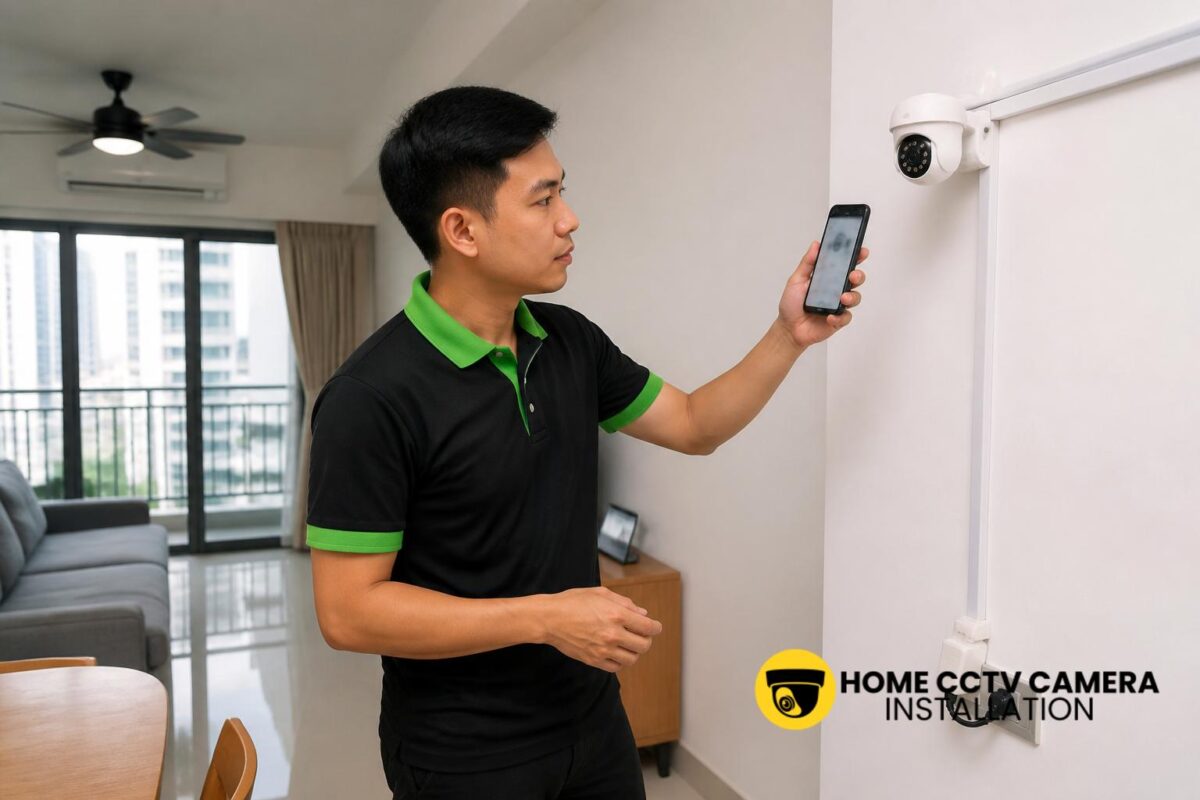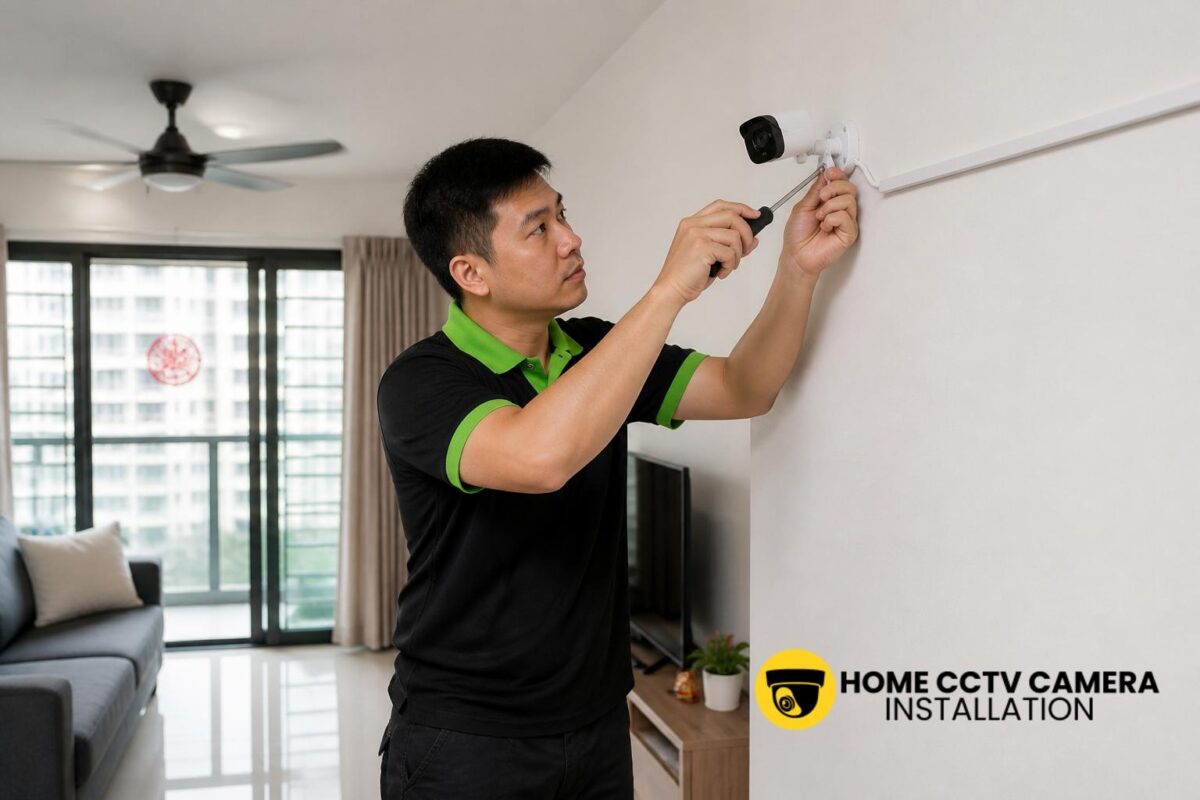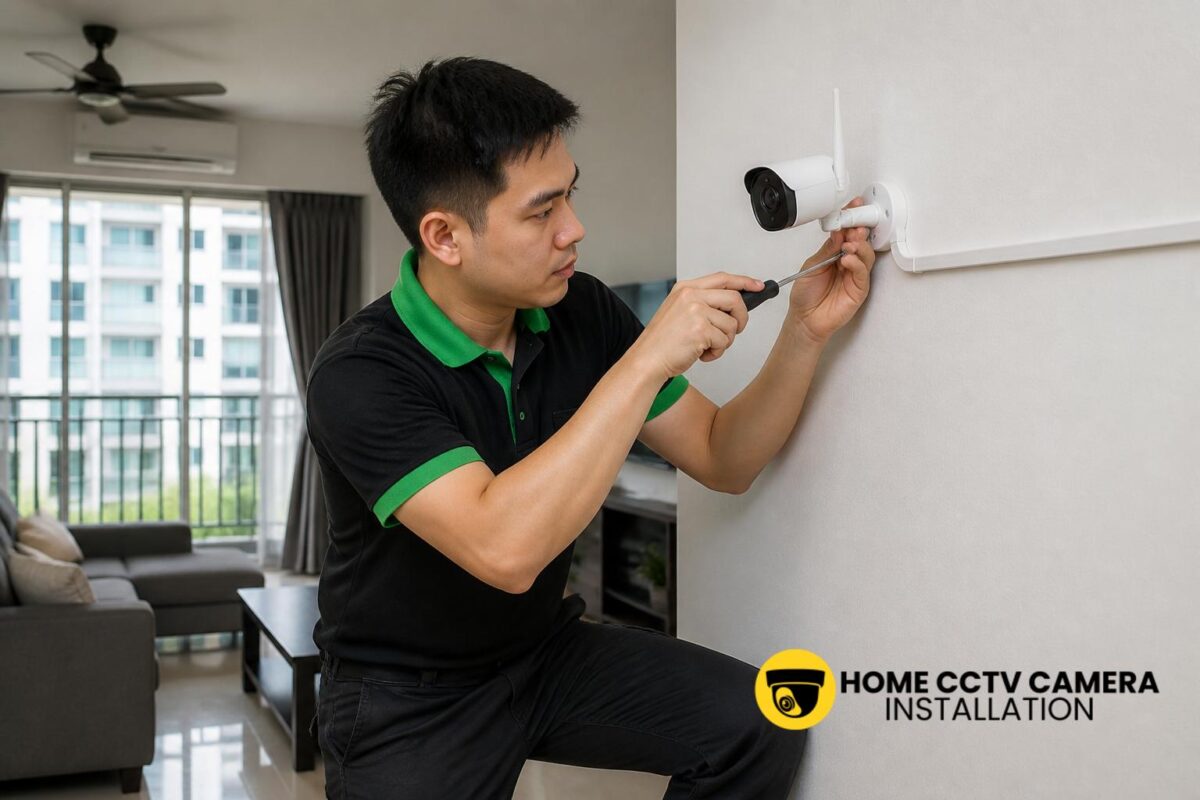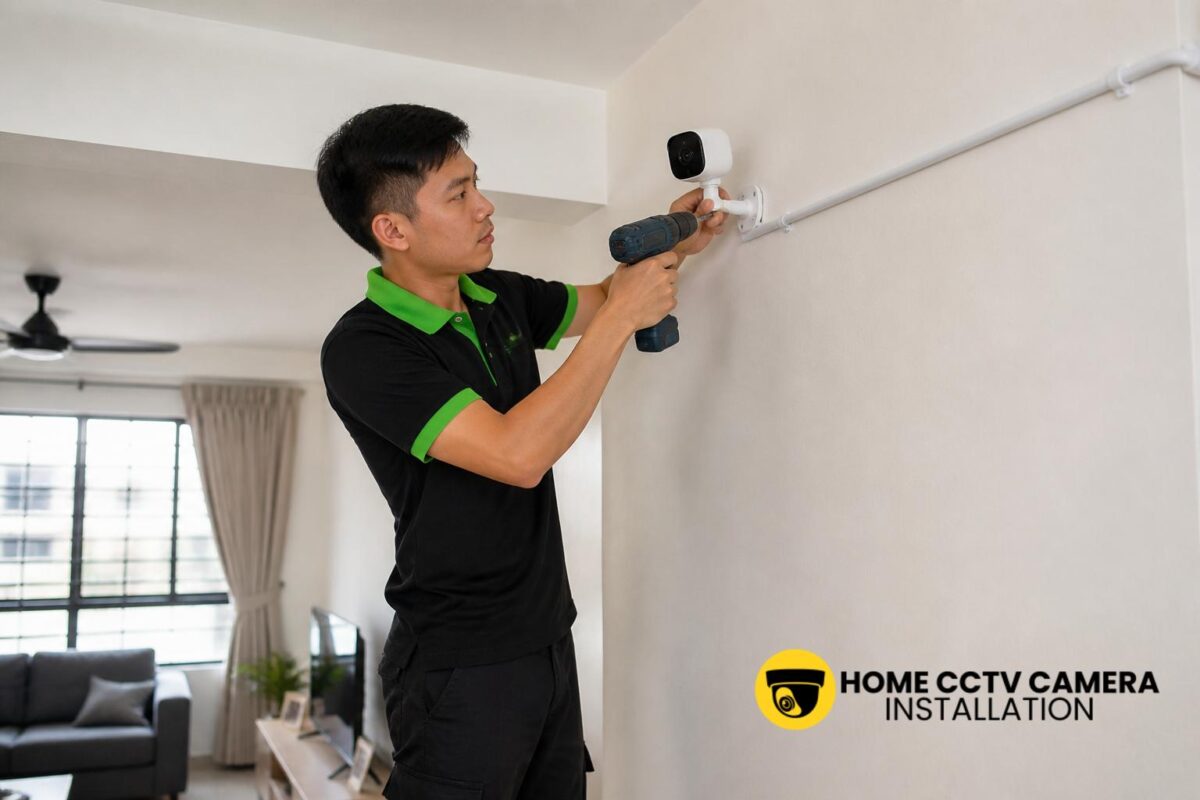

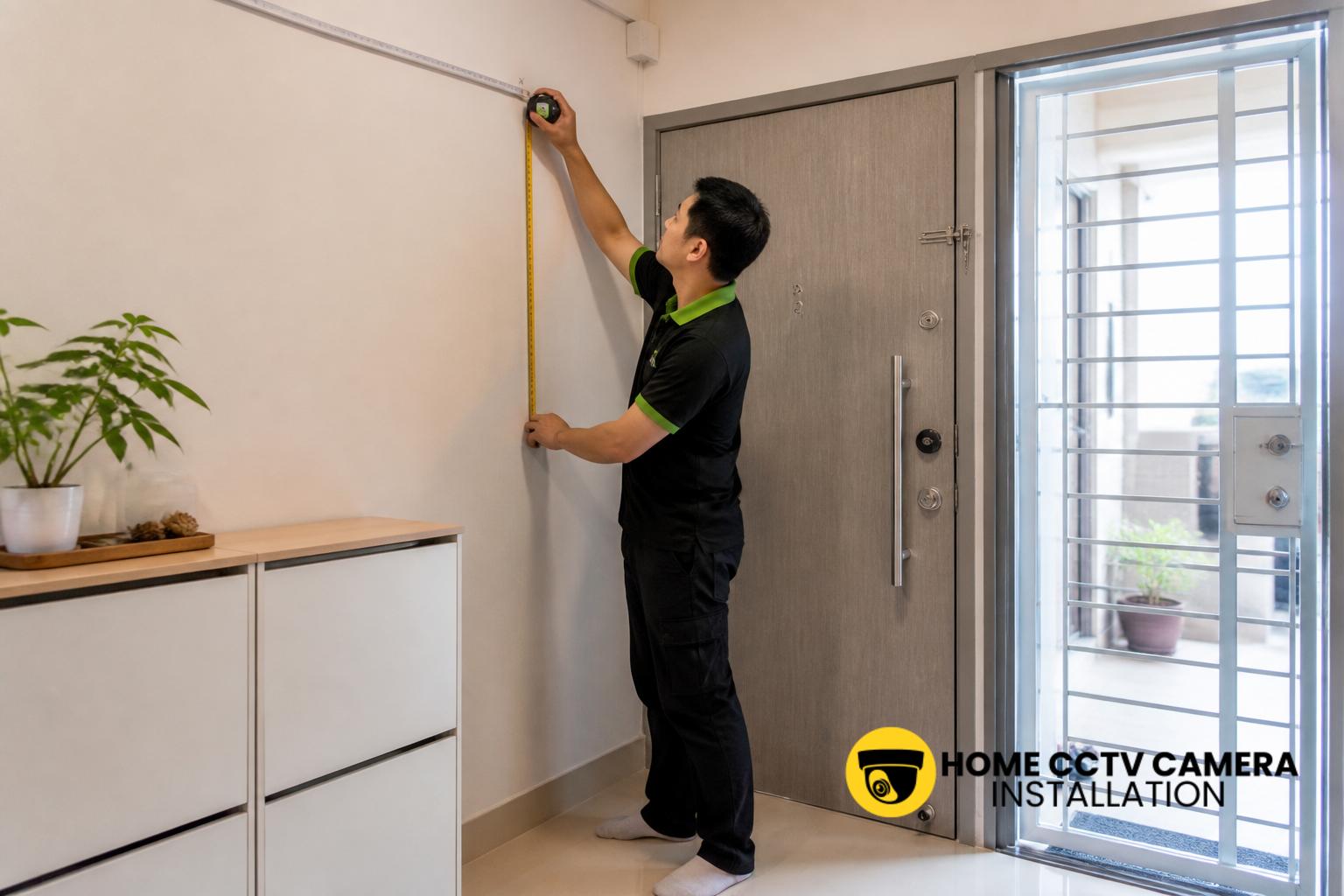
For Singapore homeowners planning a CCTV setup, one of the first practical decisions is whether to mount the camera securely on a wall or ceiling, or simply place it on a shelf. The choice affects not only what the camera can see, but also how neat the installation looks, how stable the device remains, and how suitable it is for long-term use in an HDB flat, condominium or landed home.
Why the placement decision matters
A CCTV camera is only as useful as its position. A shelf can be convenient for a quick setup, especially if you are testing a new device or using a temporary indoor camera. However, a shelf placement often limits the viewing angle, leaves the camera easier to move, and may expose it to accidental knocks or obstruction from daily household items.
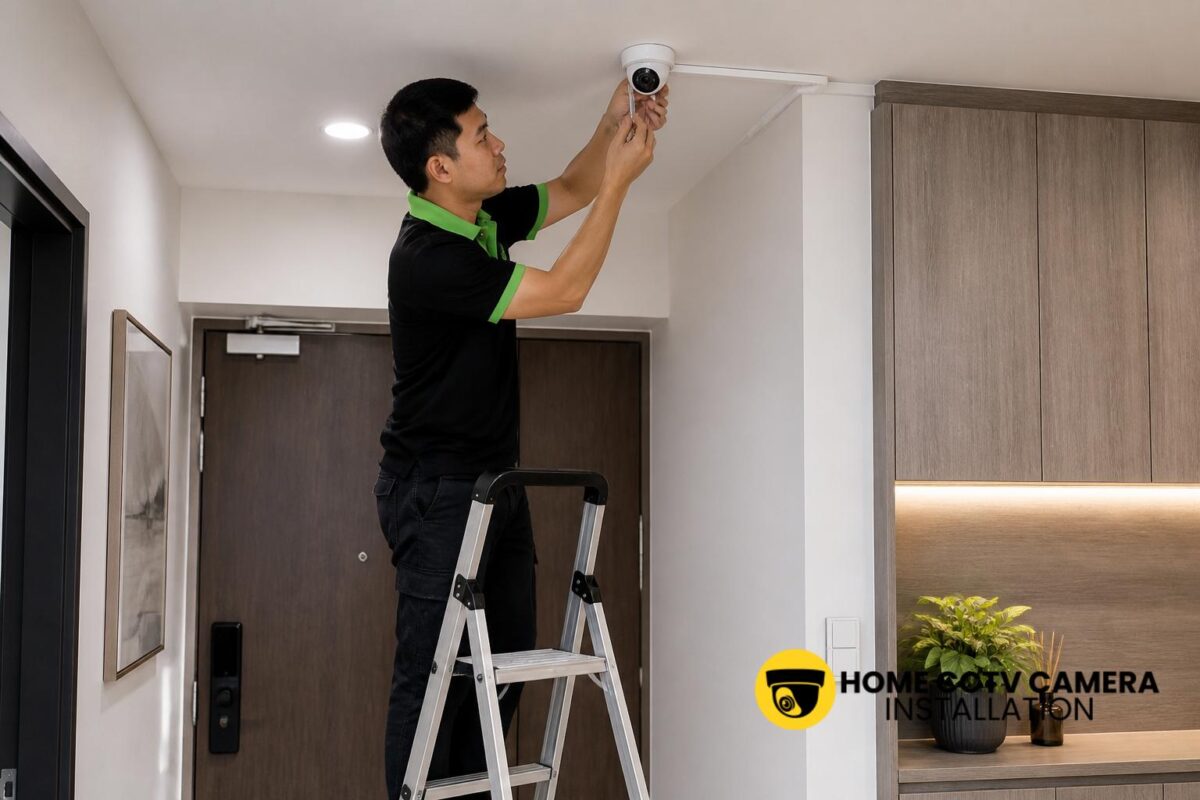
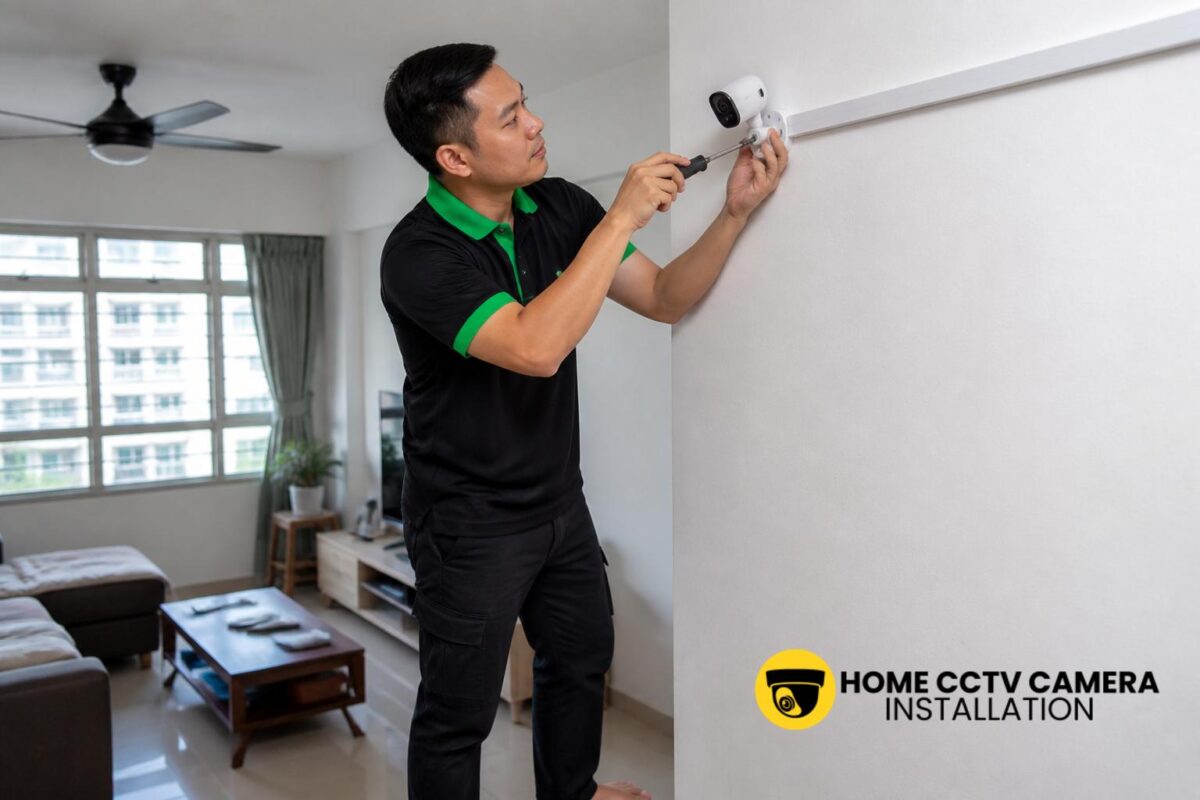
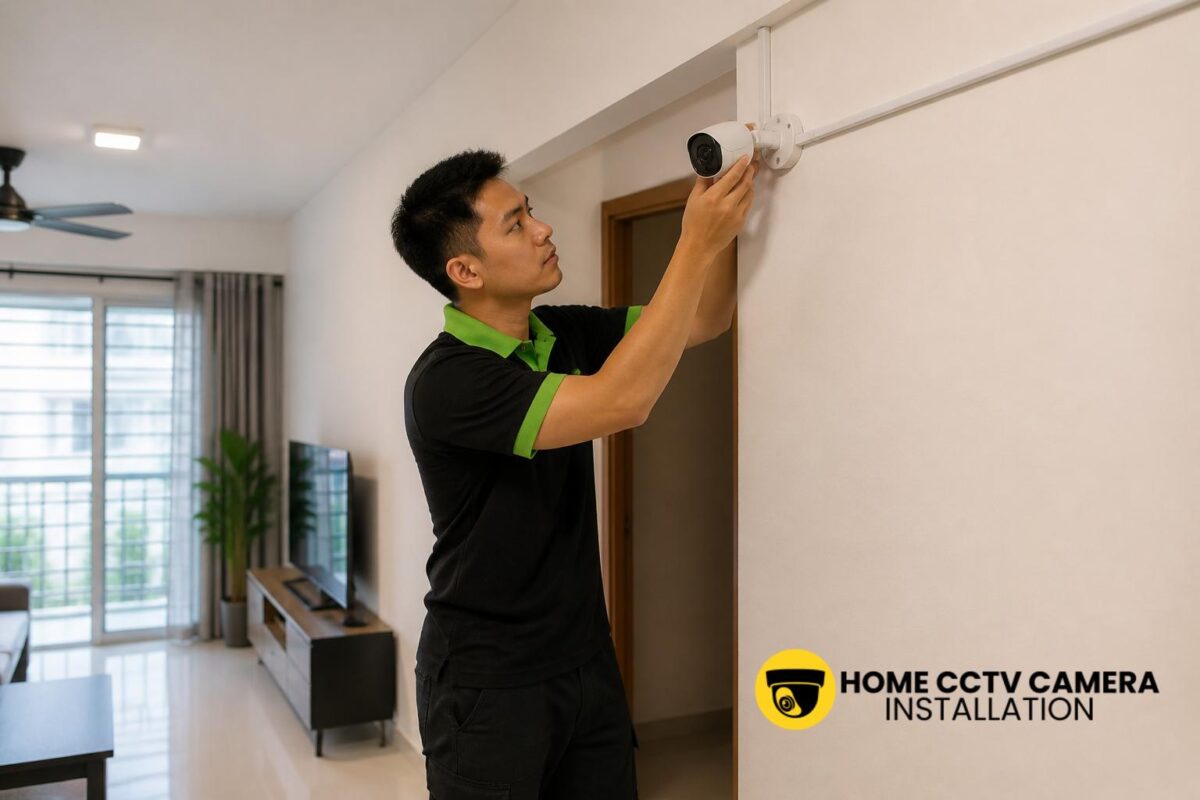
Mounting is usually the more permanent option. It allows the installer to choose a higher, more controlled vantage point, improve coverage of entrances or common areas, and route cables more neatly. For many Singapore homes, especially where space is limited, a properly mounted camera can be less intrusive while giving a clearer and more consistent field of view.
When a shelf placement can be suitable
Placing a camera on a shelf may suit temporary monitoring, such as checking a renovation site, observing a short-term issue, or trialling camera positions before fixing anything permanently. It can also work in rooms where wall drilling is not ideal, provided the shelf is stable and the camera remains secure.
That said, shelf placement is usually best treated as a short-term or light-use arrangement. If the shelf is low, cluttered, or close to the edge of a room, the camera can be blocked by objects, pets, children, or moving household items. For a home CCTV system that is expected to operate reliably day after day, shelf mounting is rarely the most robust option.
Advantages of mounting a CCTV camera properly
A mounted camera is generally harder to tamper with and less likely to be shifted out of position. In homes with an active household, this matters because even a slight change in angle can affect whether doors, corridors, staircases or windows remain covered. A mounted unit also tends to look more deliberate and organised, particularly when installed with tidy cable routing.
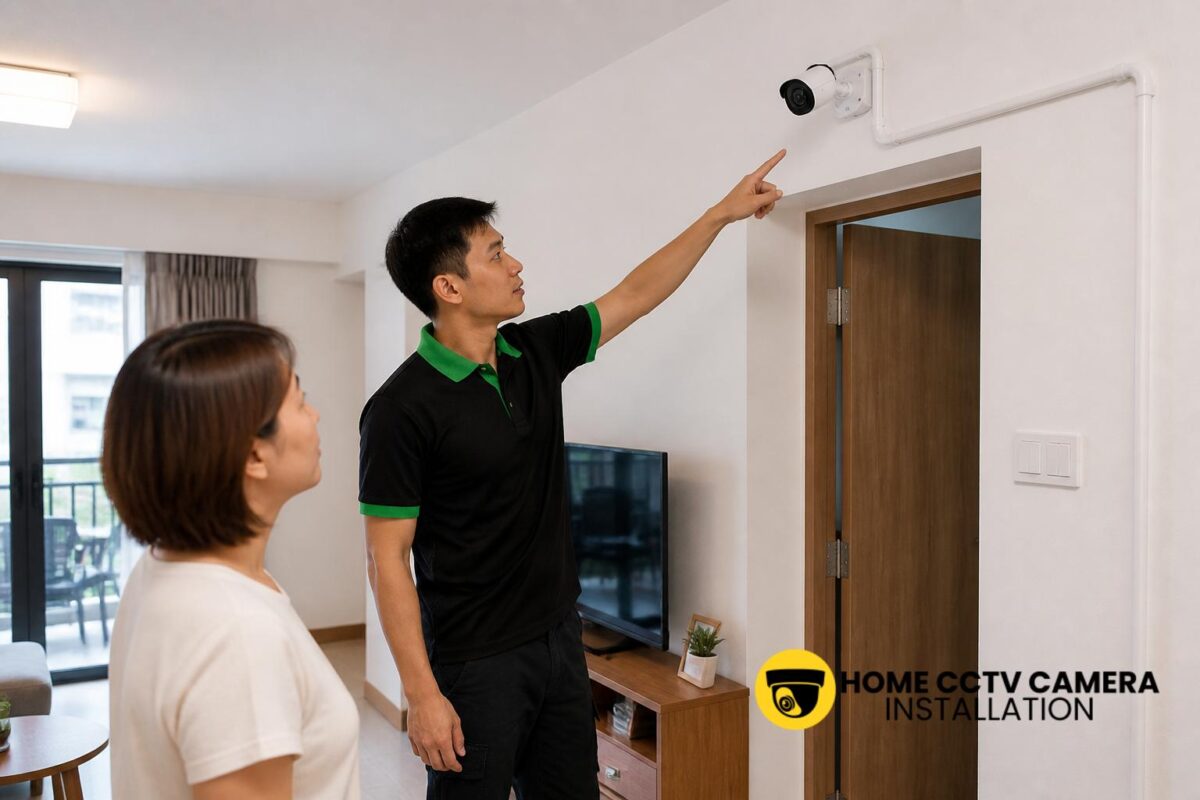
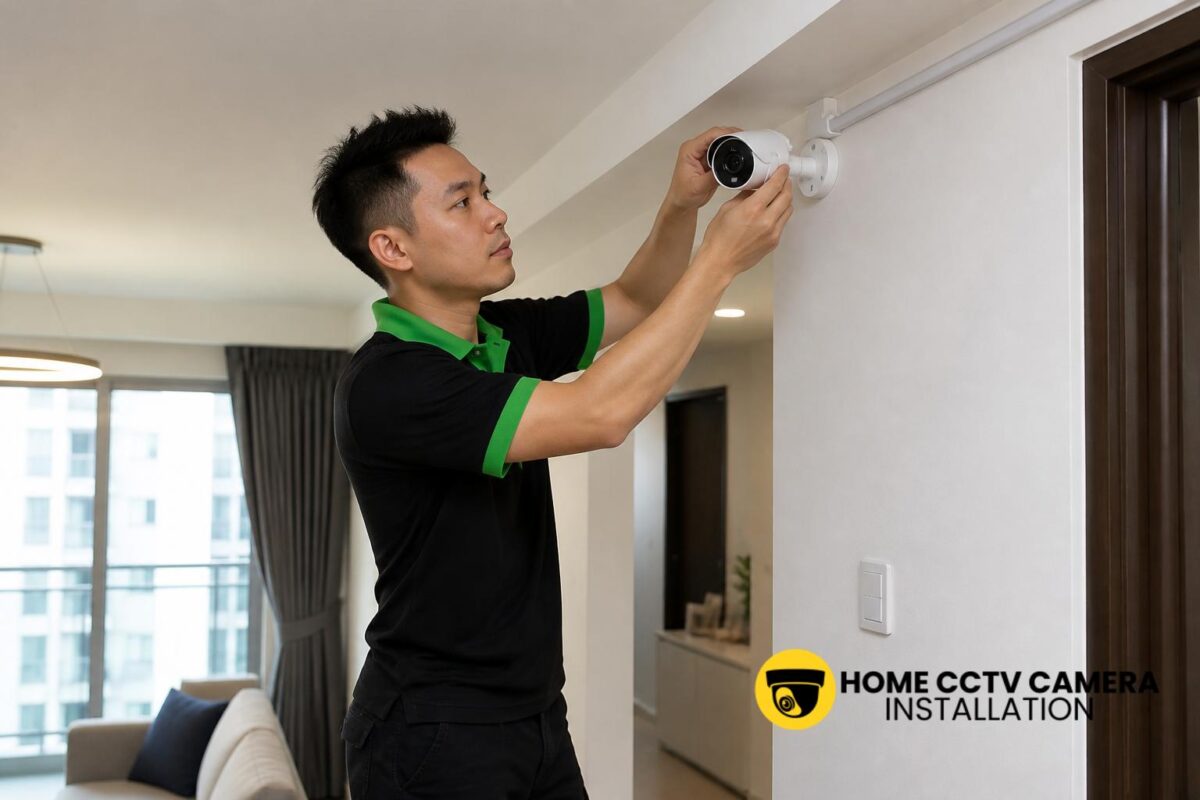
From an installation perspective, wall or ceiling mounting also gives more flexibility for camera placement planning. An installer can position the camera higher to reduce blind spots, better capture faces at entry points, and keep the device away from furniture. For wired CCTV systems, mounting also makes it easier to route power and data cables neatly and safely, rather than leaving leads draped across a room.
How Singapore homes influence the choice
In HDB flats, space is often at a premium, so a shelf may seem convenient at first. Yet many homeowners later prefer a fixed mounting point because it avoids clutter and keeps the camera away from daily movement in living rooms, corridors or near the main door. In condominiums, a neat installation is often important for both appearance and practicality, especially when covering entrances, balconies or service areas.
For landed homes, mounting becomes even more important because there may be more outdoor-facing points to monitor, such as gates, driveways, side paths or patio entrances. Shelf placement is usually not suitable for these areas. Outdoor or semi-outdoor cameras need stable fixing, weather-aware positioning and proper cable support so that the installation remains dependable over time.
What a professional installer considers before drilling or placing a camera
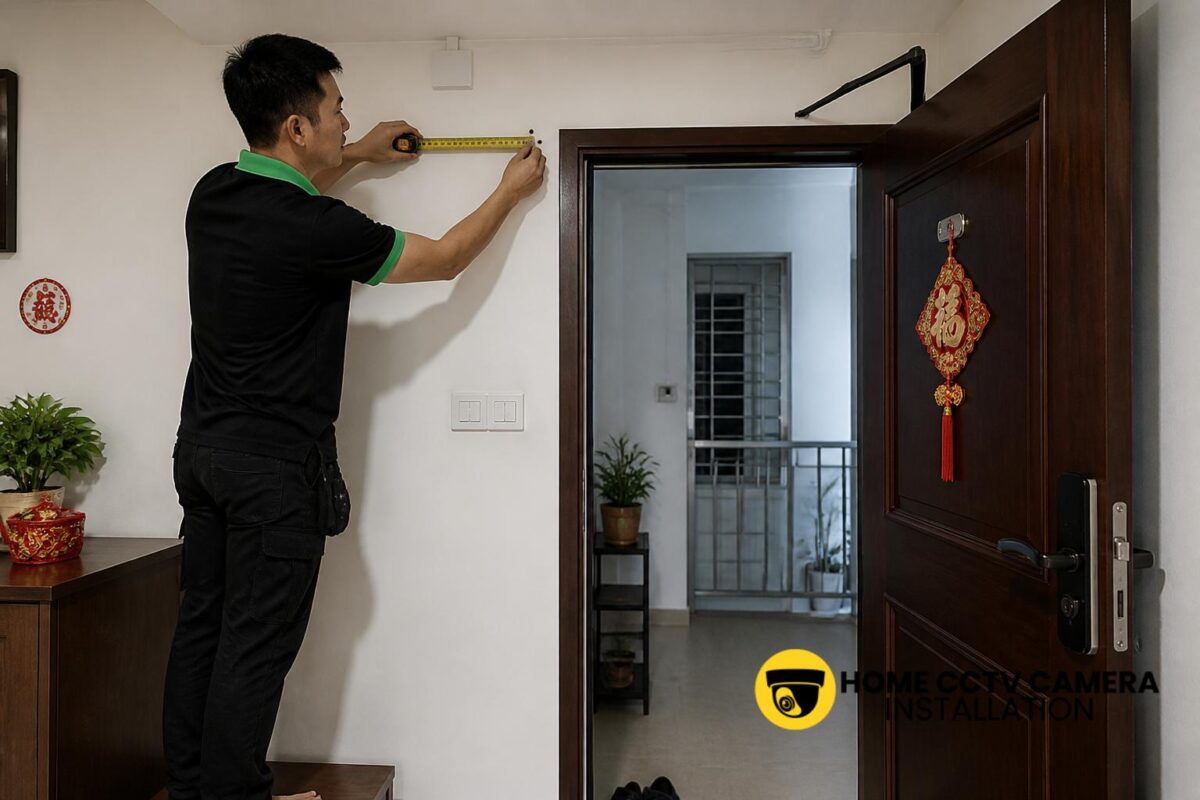
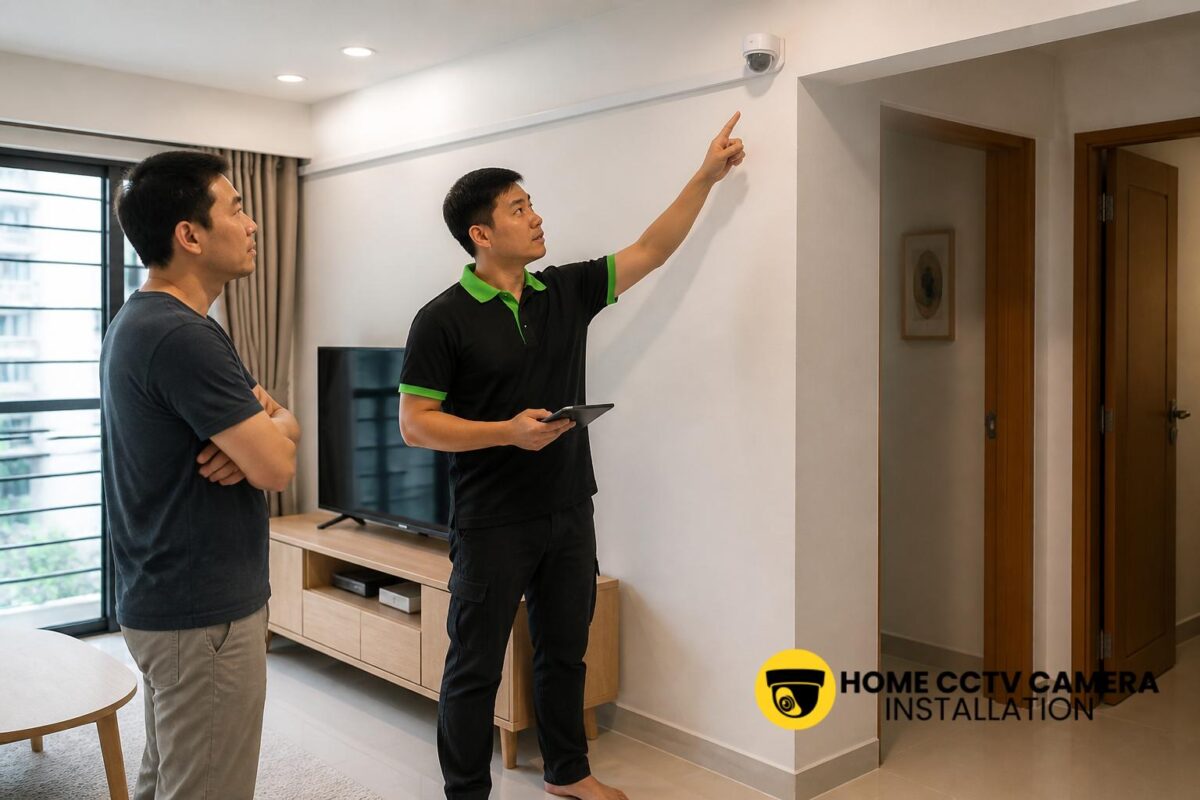
Before deciding between a mount and a shelf, a professional CCTV installer typically looks at the viewing angle, the purpose of the camera, the cable path, and whether there is a suitable power source nearby. The goal is not simply to place the camera somewhere convenient, but to ensure it captures the right area without creating unnecessary visual clutter.
Other important factors include ceiling height, line of sight, nearby light sources and the risk of glare from windows or reflective surfaces. In some homes, a shelf may be too low to provide a useful overview, while in others a mounted position may need to be adjusted slightly to avoid pointing directly at bright daylight. Good placement is usually the result of practical observation, not guesswork.
Wired cameras, cabling and power-point support
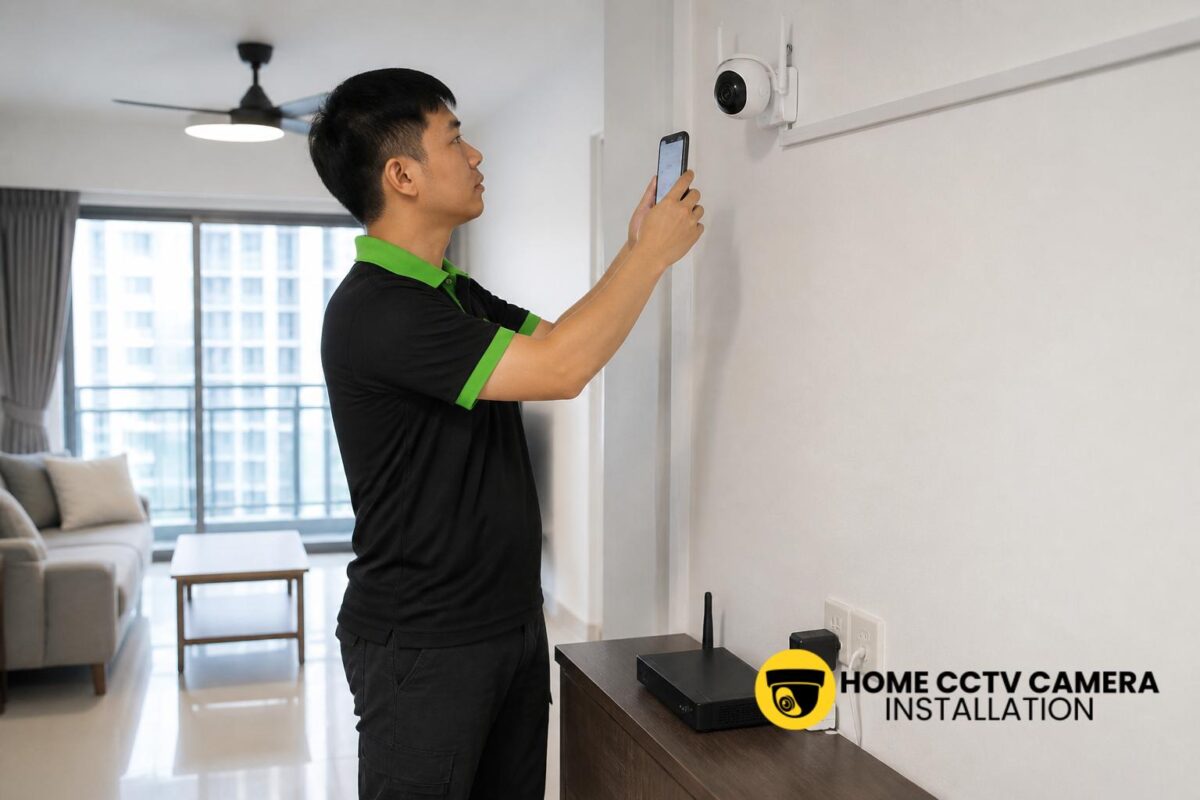
For many homeowners in Singapore, wired CCTV systems remain a strong choice because they can support a more stable long-term installation. With wired cameras, mounting is often the preferred option because the camera, cable path and power point can all be planned together. This helps achieve a cleaner finish and reduces the chance of loose cables hanging around the room.
If a camera is placed on a shelf, the power cable still needs to be managed properly. Otherwise, the installation may look untidy and the camera could be accidentally unplugged. With wall or ceiling mounting, an installer can often support basic cabling and, where required, help with power-point planning so the camera sits where it is actually needed rather than where a shelf happens to be available.
Appearance, safety and everyday practicality
Homeowners often underestimate how much the physical setup affects day-to-day use. A shelf-mounted camera may be easy to move, but that also means it is easier to misalign or dislodge. In households with children, domestic helpers, guests or pets, a camera on a shelf can be bumped, covered or turned away from the intended view.
Mounted cameras are usually safer from accidental interference and often blend better into the room once installed neatly. If the aim is a reliable home CCTV system that supports routine monitoring of entrances, corridors or key common areas, a fixed installation is usually more practical than a temporary shelf setup.
If you are deciding between mounting and shelf placement for your home CCTV setup, WhatsApp Home CCTV Camera Installation Singapore to discuss your property type, number of cameras, preferred locations, supply-and-install or installation-only scope, and any cabling or power-point requirements, then request a quotation: message us on WhatsApp.
Conclusion
For most Singapore homeowners, mounting a CCTV camera is the better long-term choice because it usually provides more stable coverage, a tidier finish and better protection against accidental movement. A shelf can be useful for temporary or low-commitment use, but it is generally less secure and less consistent for a permanent home CCTV installation.
The right answer depends on your property layout, the area you want to cover and whether you are using existing equipment or planning a full supply-and-install job. In practice, the best setup is the one that balances visibility, neatness and everyday reliability within the realities of your home.
Choose Home CCTV Camera Installation Singapore
Home CCTV Camera Installation Singapore helps homeowners enhance security through professionally installed home CCTV systems across Singapore. Whether you require full supply and installation or home CCTV installation support for your home, our team ensures a clean and reliable setup.
We install a wide range of CCTV cameras, including IIP cameras, IP security cameras, surveillance cameras, and other configurations designed for residential use. Our CCTV installation services cover proper camera mounting, neat cabling, and power point installation where necessary, ensuring your home CCTV operates smoothly with clear and consistent coverage.
Home CCTV Camera Installation Singapore provides reliable Home CCTV installation services for HDB flats, condominiums, and landed homes. With a focus on quality installation and practical system planning, we help homeowners secure their living spaces with confidence. WhatsApp +65 8241 0032 to arrange your home CCTV installation today.
Frequently Asked Questions
Is a shelf placement bad for indoor CCTV cameras?
Not always. A shelf can work for temporary use or testing, but it is usually less stable than a mounted camera. It may also be easier to block, move or unplug, so it is less suitable for a permanent CCTV setup.
Do mounted cameras always need drilling?
Most wall or ceiling-mounted CCTV cameras do require drilling or secure fixing points. This is what helps keep the camera stable and positioned correctly. The exact method depends on the camera model, surface type and installation location.
Which is better for an HDB flat, mounting or shelf placement?
For most HDB flats, mounting is the more practical option because it saves space, looks neater and gives a better viewing angle. Shelf placement may be acceptable for temporary testing, but it is usually not the best long-term solution.