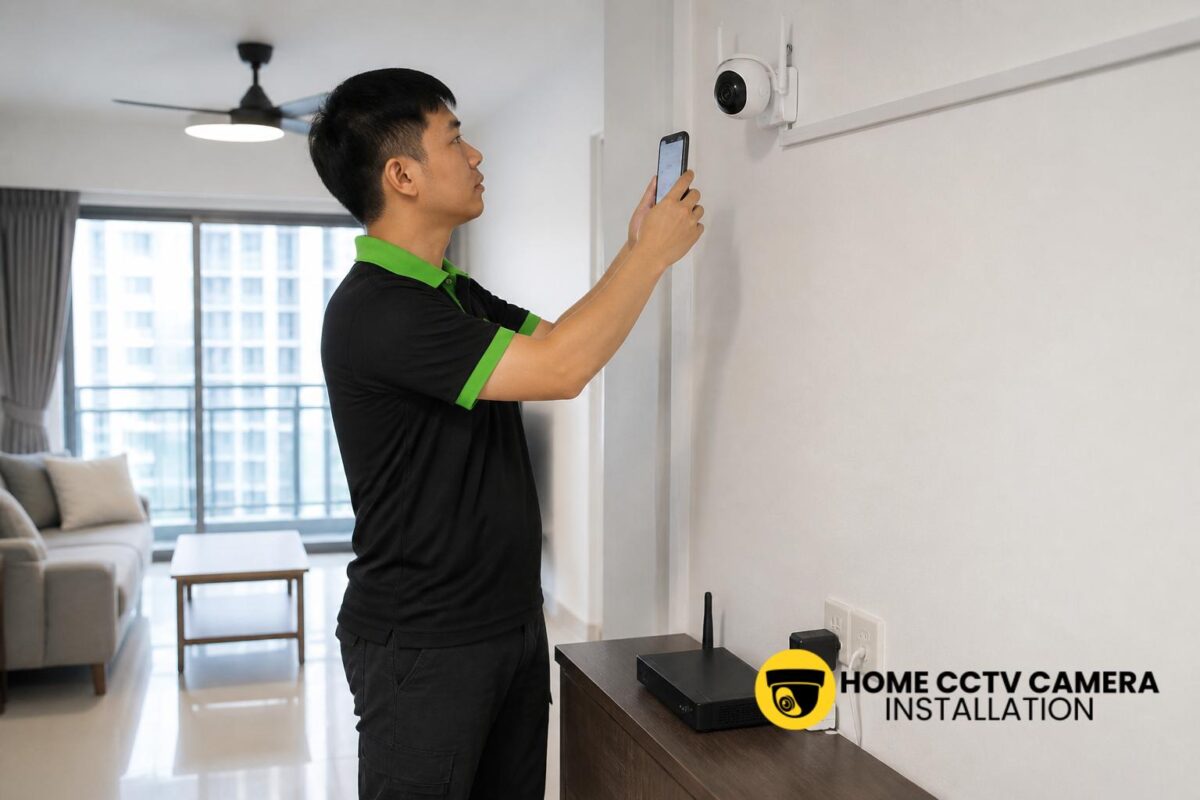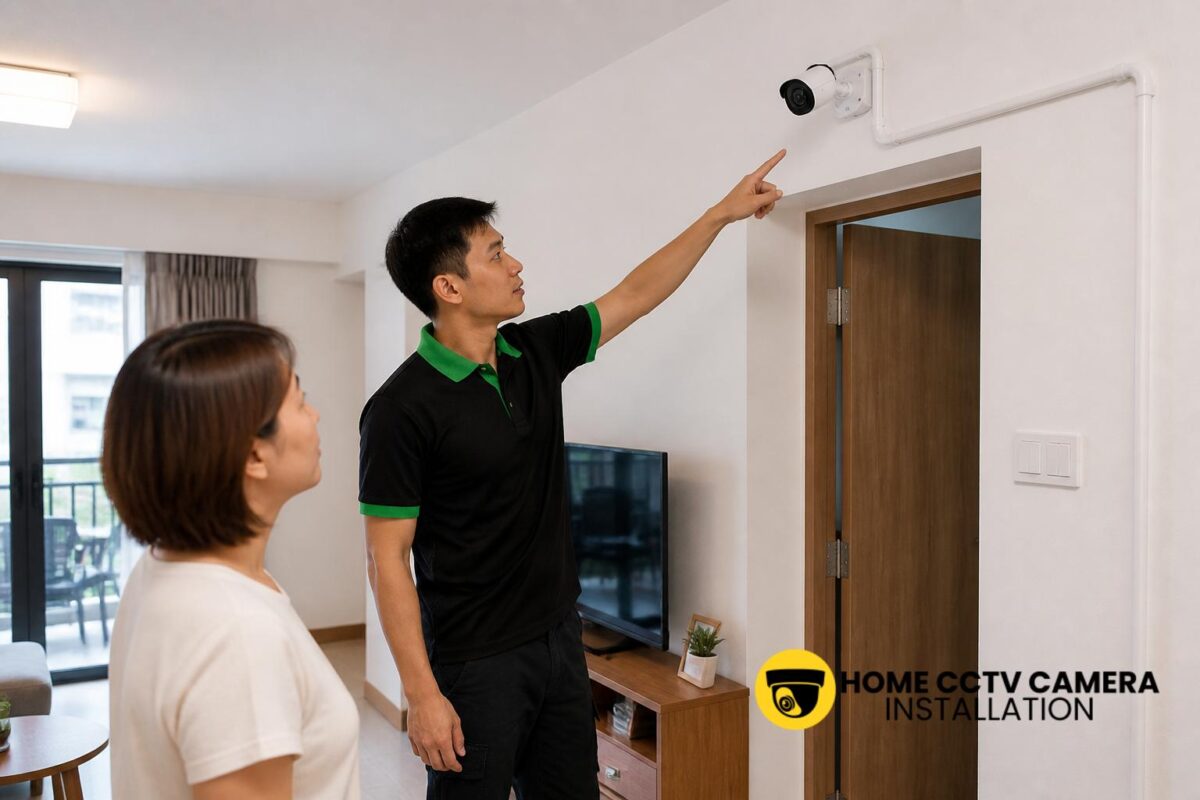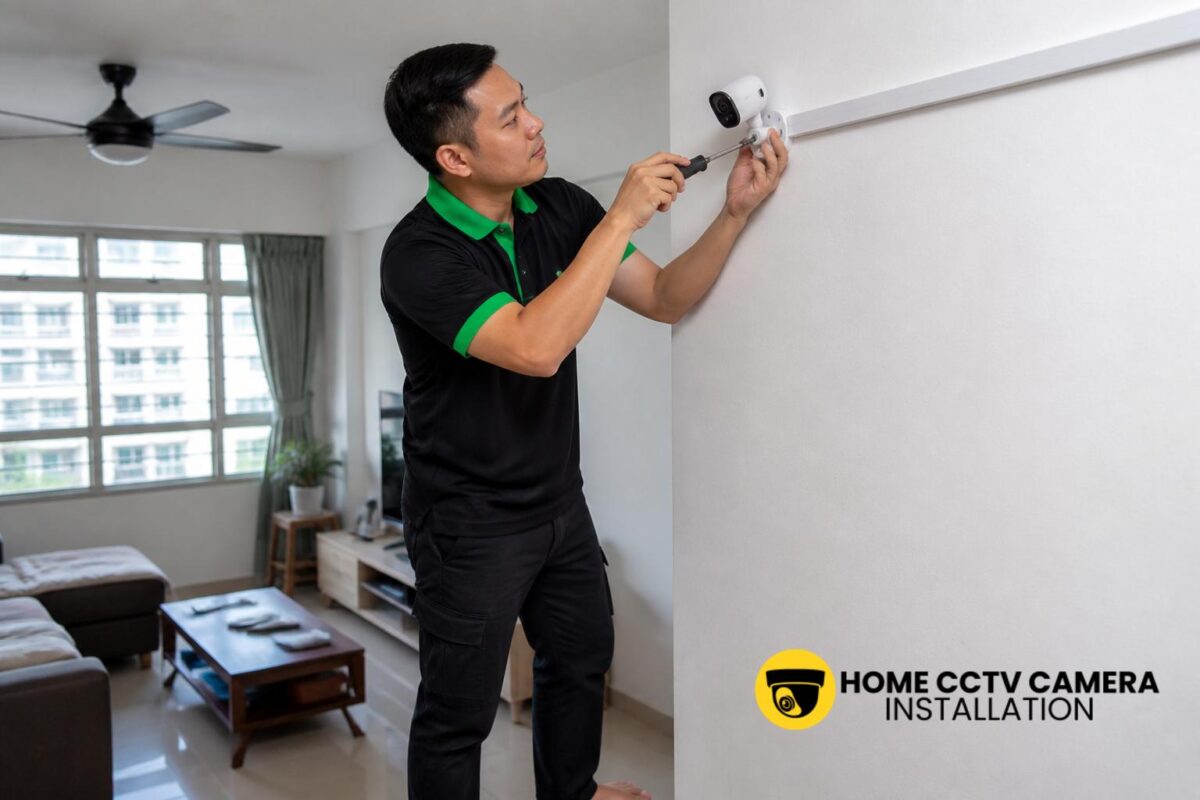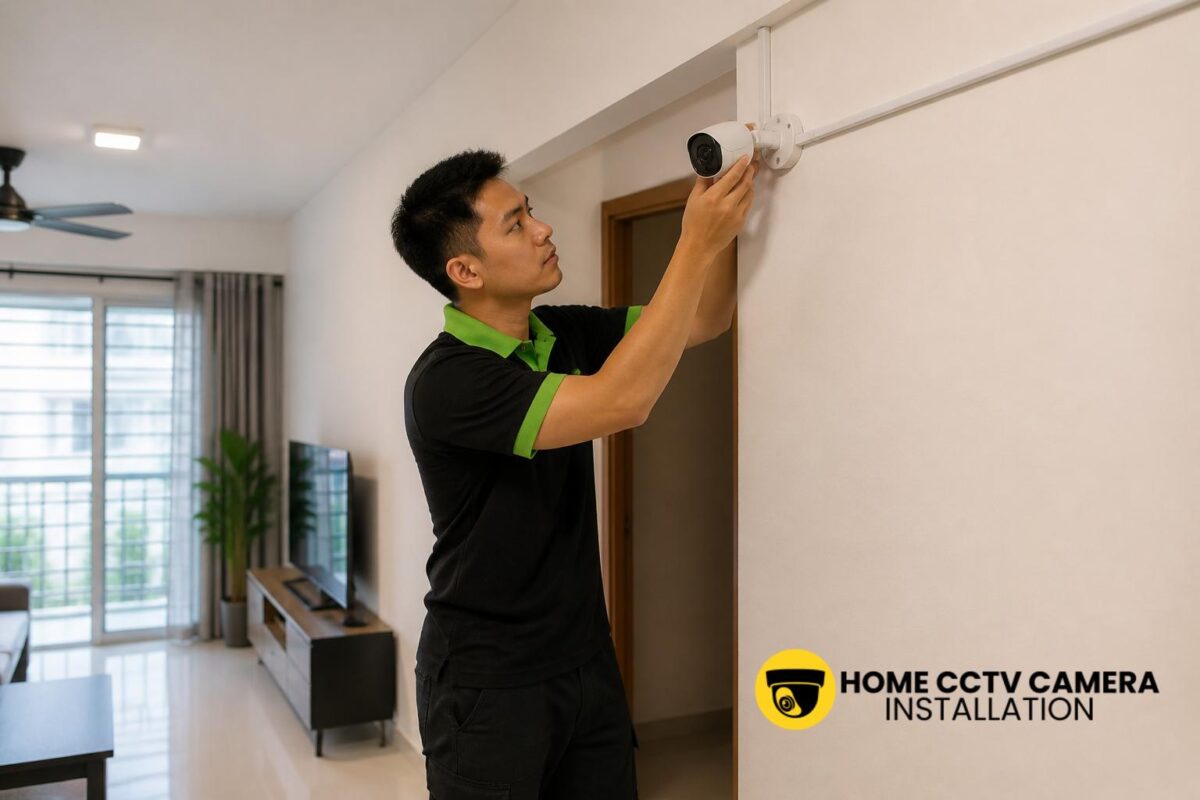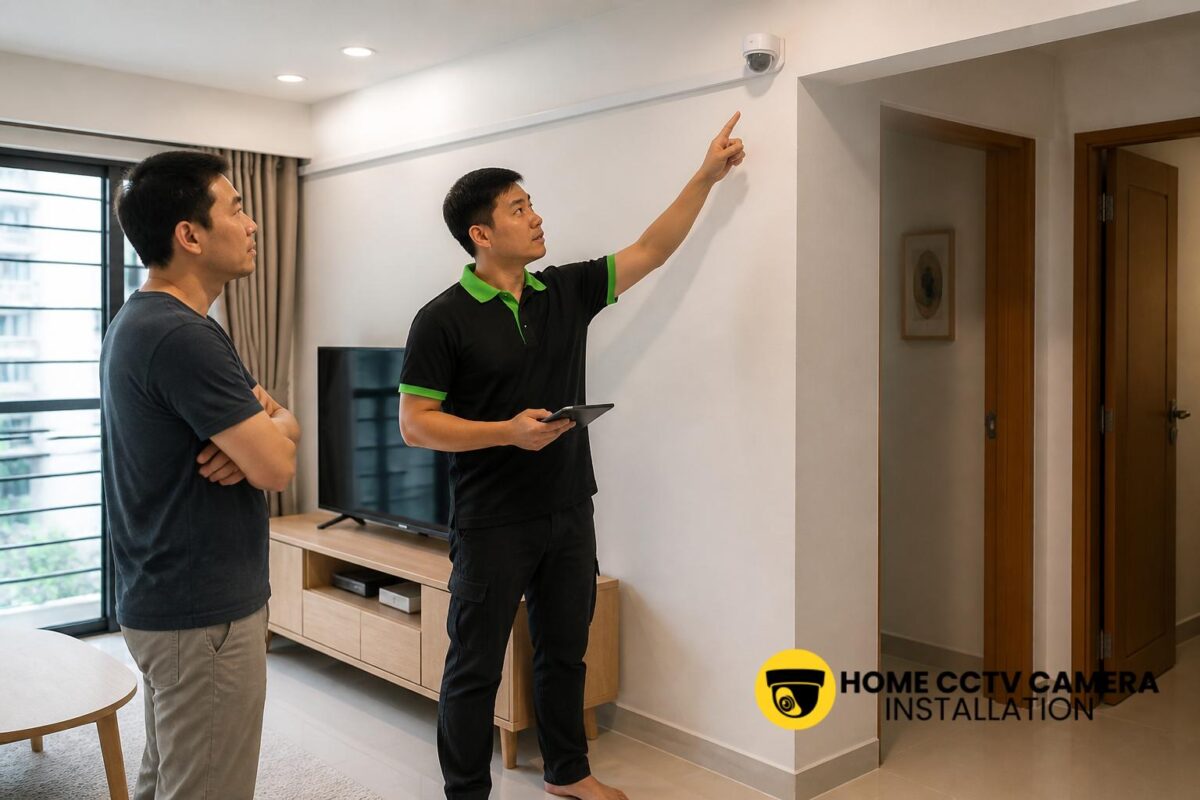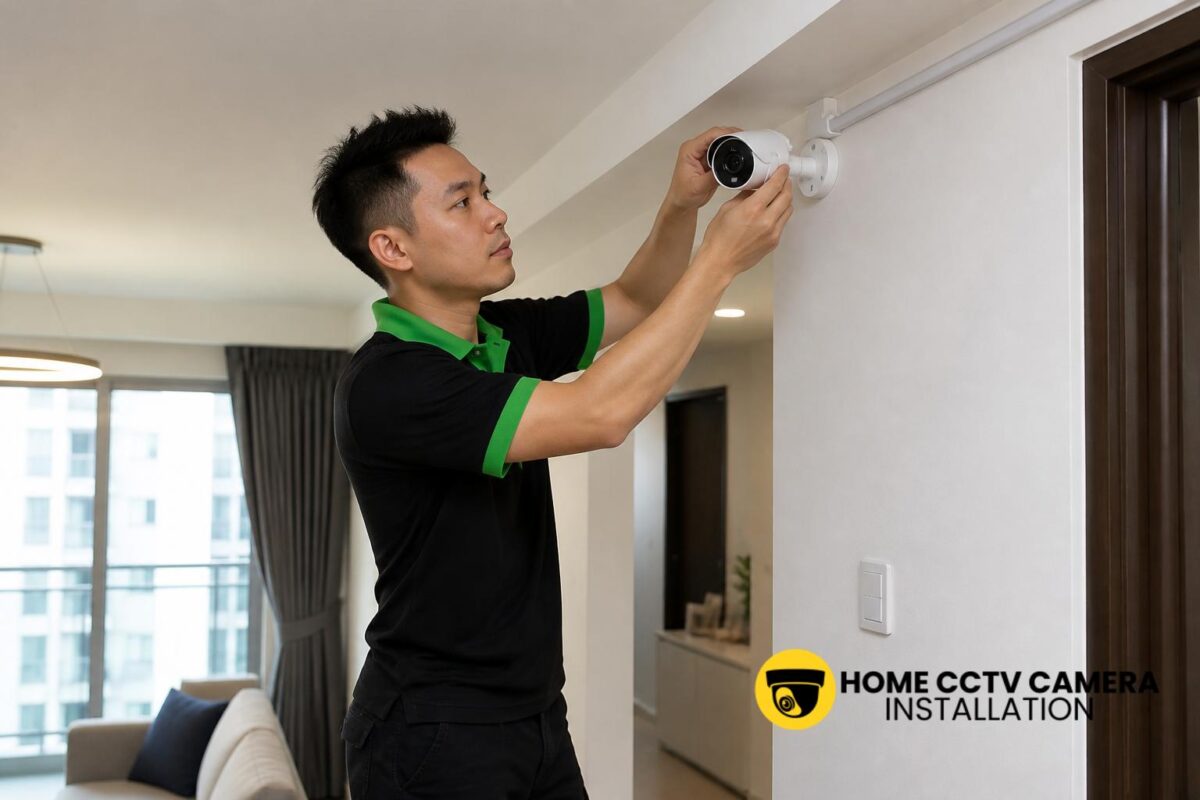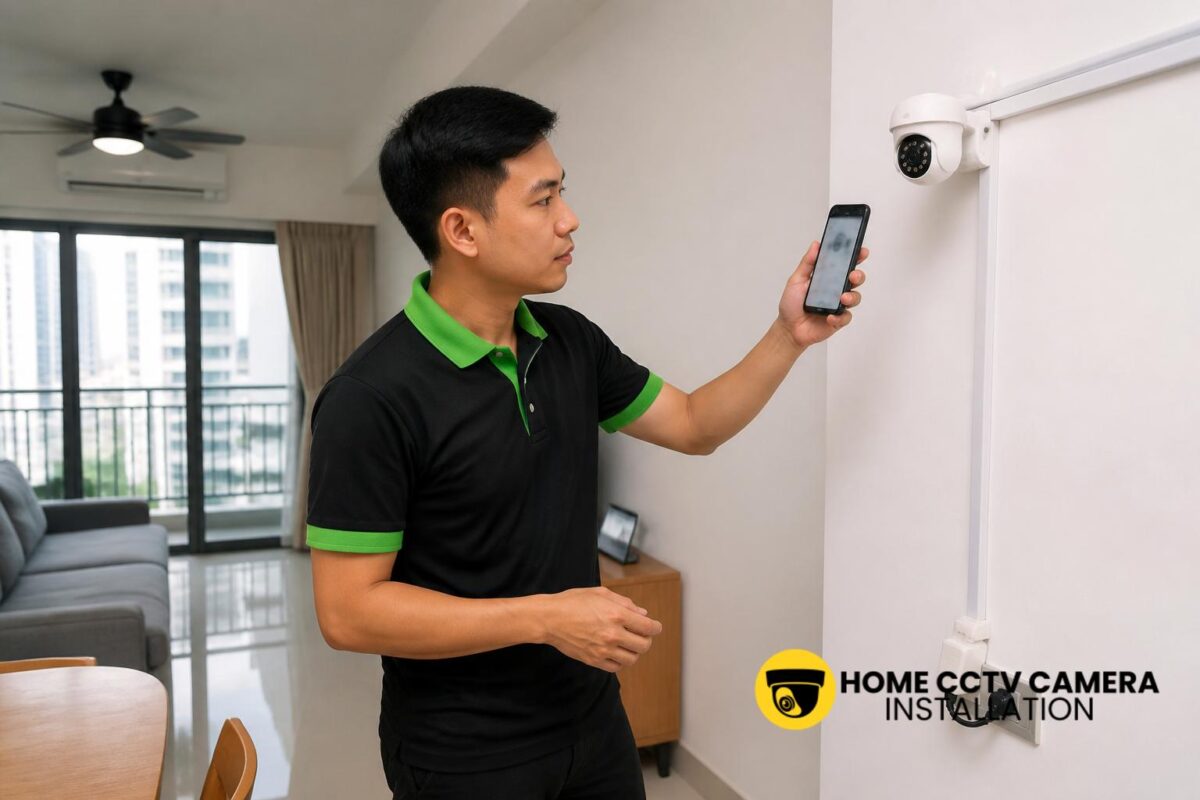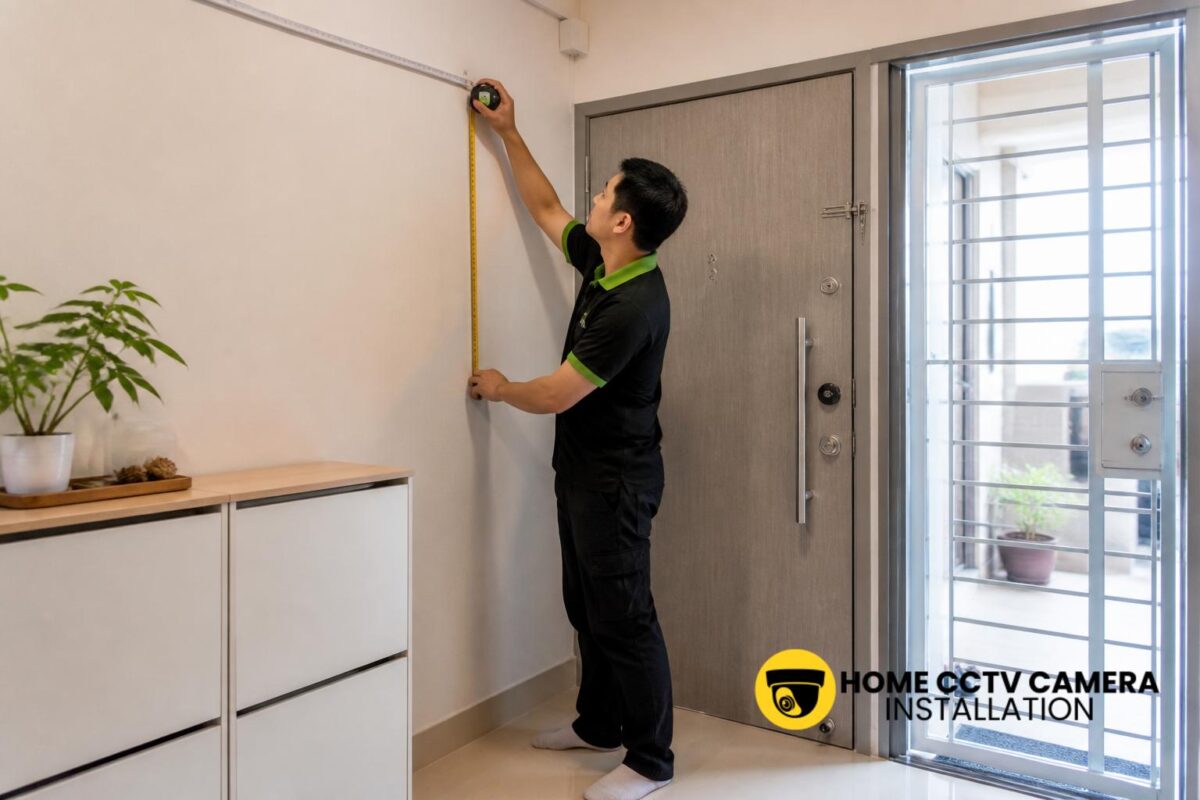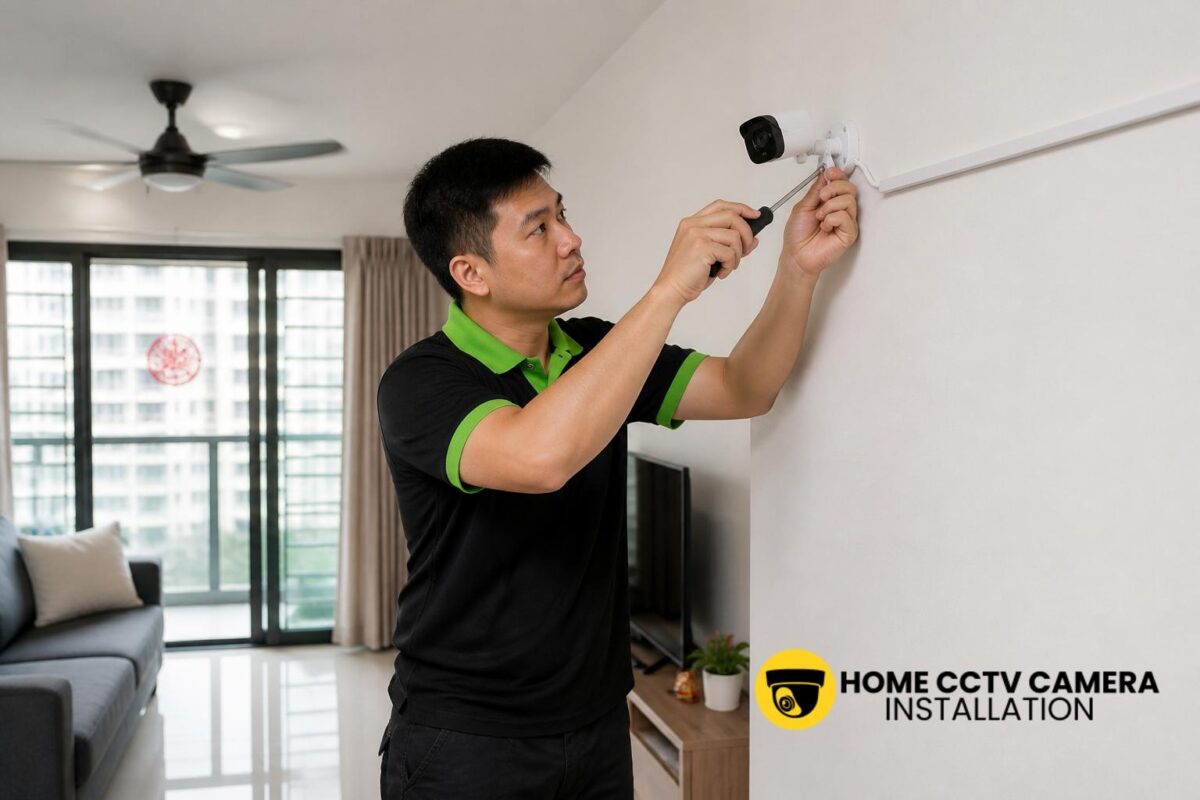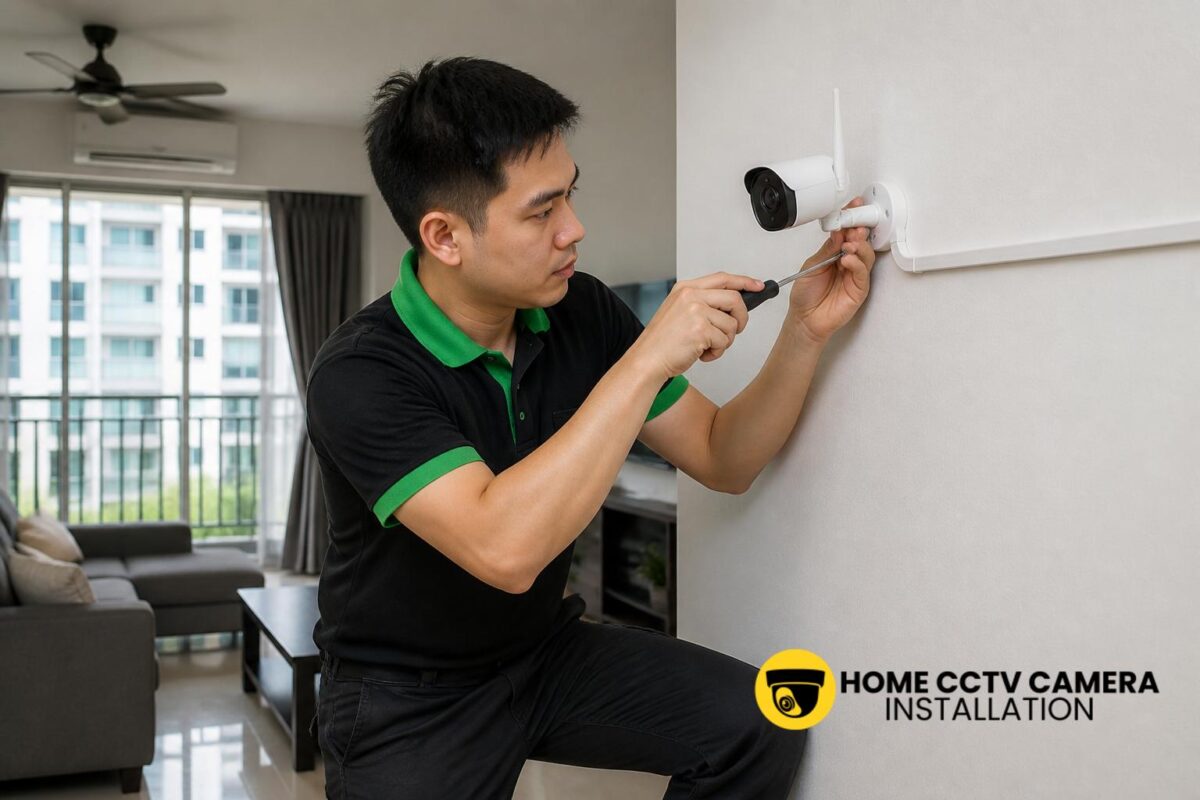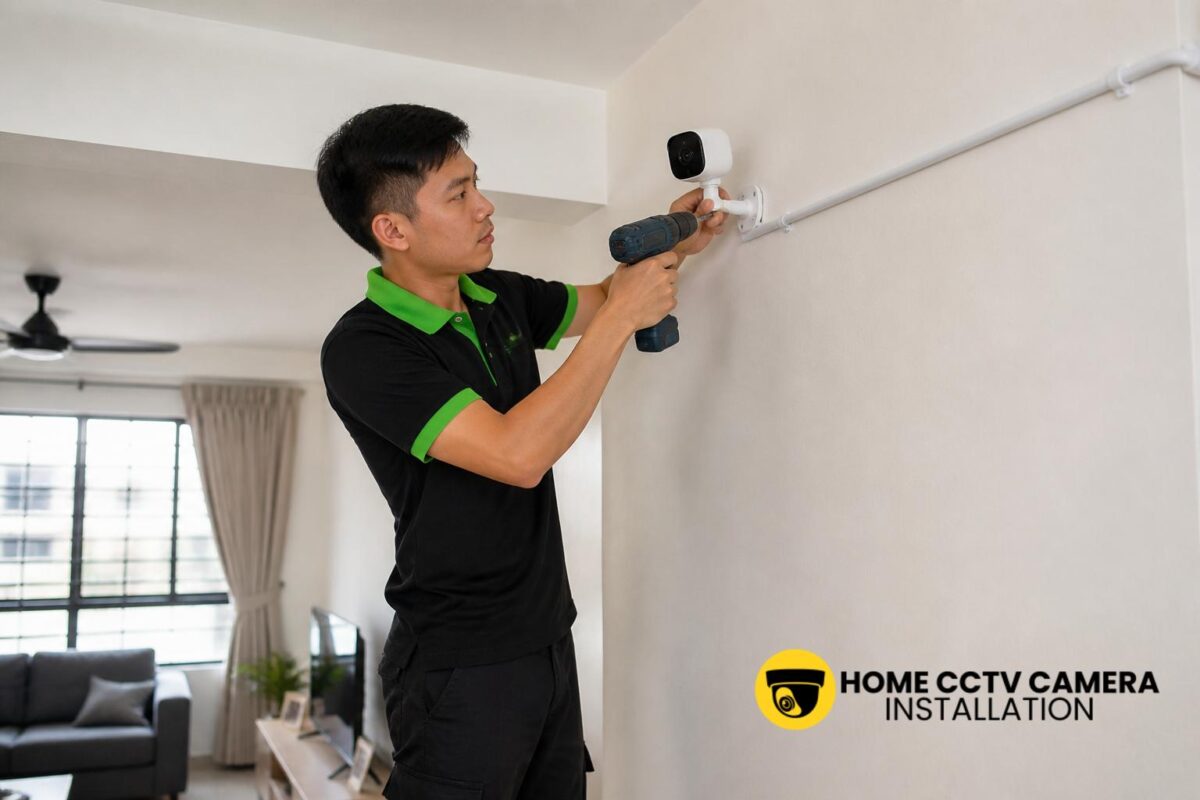

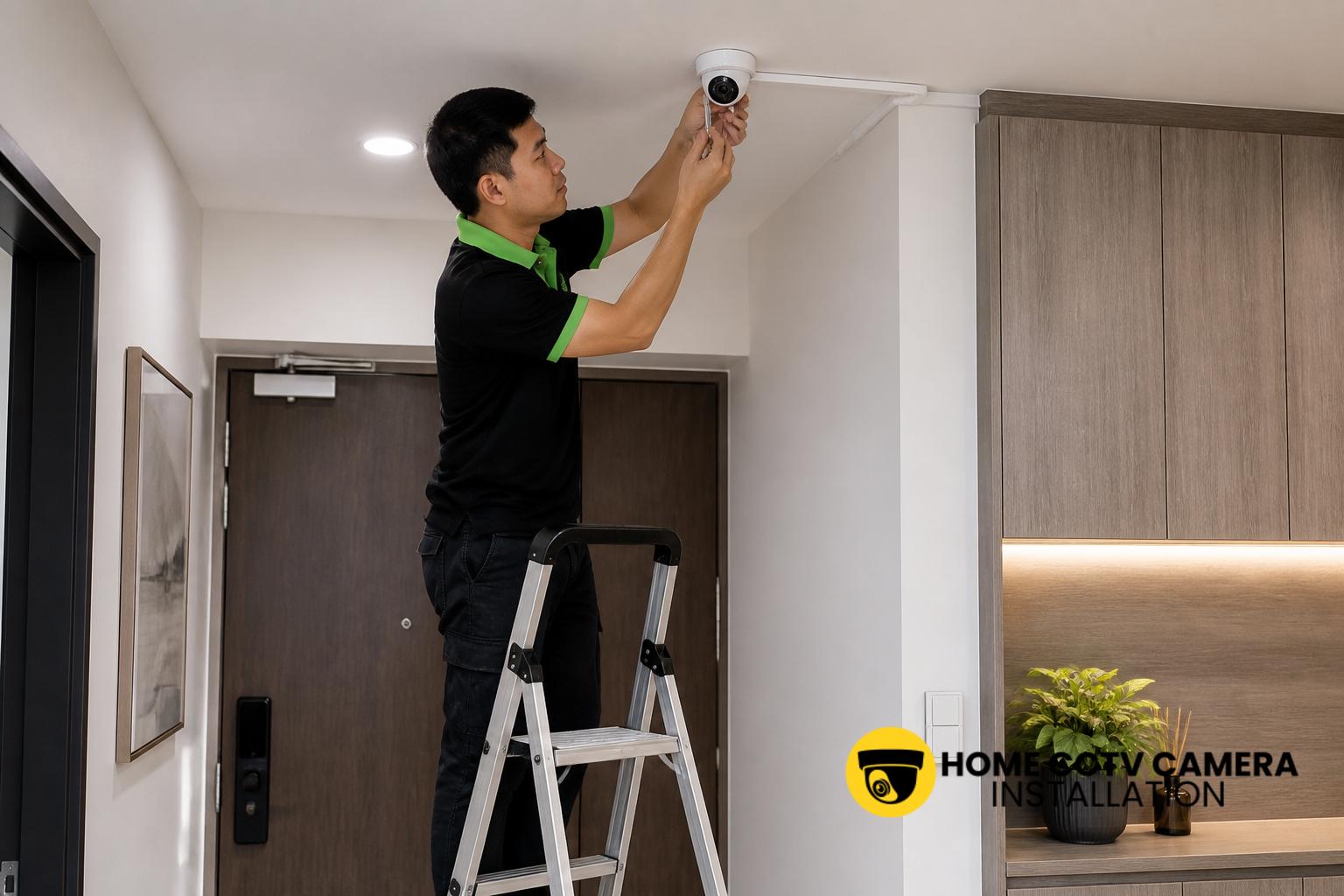
After a home CCTV installation, Singapore homeowners should not assume everything is working simply because the cameras power on. A proper test helps confirm that each camera is capturing the right area, recording correctly and set up in a way that suits the home’s layout and daily routine. This is especially important in HDB flats, condominiums and landed properties, where placement, cabling and power access can differ quite a lot.
Testing also gives you a chance to spot small issues early, such as a blind spot near the main entrance, a motion alert that is too sensitive, or night footage that is too dark. A few minutes of checking can save time later and make the system more practical for everyday use.
Check that every camera is showing the intended view
The first thing to test is basic coverage. Look at each camera image and confirm that it is facing the right direction and covering the area you actually wanted to monitor. For example, a front door camera should clearly capture the entrance, while a back gate or service yard camera should not be angled too high or too low.
Pay attention to common residential problem areas such as the corridor outside an HDB unit, the main gate of a landed home, or the balcony edge in a condominium. A camera can appear to be installed neatly, yet still miss important movement if the angle is slightly off. It is worth checking both wide areas and important details like faces, visitor approach paths and access points.
Confirm image quality in daylight and at night
Image clarity should be tested under different lighting conditions. In daylight, check whether faces, clothing and key entry points are sharp enough to recognise. If the picture looks blurry, washed out or overexposed, the camera angle or settings may need adjustment.
Night testing is equally important because many homeowners only discover problems after dark. Switch on the camera’s night mode or observe the footage after sunset to see whether the image remains usable. For outdoor cameras, look for glare from nearby lights, reflections from glass, or weak infrared coverage that leaves corners too dark. If the camera is mounted behind a tinted window, the footage may also be affected.
Test recording, playback and storage behaviour
A CCTV system is only useful if it records properly and the footage can be retrieved when needed. Check that each camera is saving footage to the correct device or platform, whether that is a recorder, memory card or app-linked storage. Then review a short section of playback to make sure the recording is smooth and free from gaps.
Homeowners should also confirm how long the system keeps footage before it is overwritten. This matters in busy households, especially if you want to review events that happened a few days earlier. If the camera or recorder has motion-based recording, test whether it captures movement reliably without skipping important moments.
Review motion alerts and notification settings
Motion alerts are helpful, but they need to be tuned properly. After installation, walk past the camera or open the door to see how quickly alerts are triggered and whether they arrive on your phone as expected. If notifications are delayed or inconsistent, the settings may need adjustment.
You should also check for false alarms. In Singapore homes, motion can be triggered by corridor activity, swaying plants, passing vehicles, or changing shadows. If alerts are too frequent, they may become annoying and easy to ignore. A well-tested system should notify you of relevant movement without overwhelming you with unnecessary messages.
Inspect power supply, cabling and mounting stability
Good installation is not only about the image on screen. It is also important to test the physical setup. Check that each camera is firmly mounted on the wall or ceiling and does not shift when touched lightly. Outdoor cameras should feel secure against vibration, wind and rain exposure.
Look at the cables as well. They should be routed neatly and safely, with no loose loops or exposed sections that could be pulled accidentally. If power-point support or structured cabling was included, confirm that the setup is stable and that no cable runs interfere with daily movement, cleaning or household routines. In landed homes especially, outdoor cable protection is worth checking carefully.
Make sure the mobile app or viewing method is easy to use
Many homeowners rely on a phone app or local monitor to view live footage. Test whether you can log in easily, open live view without delay and switch between cameras without confusion. If the app is meant to be used by more than one family member, confirm that each person understands how to access the system properly.
It is also sensible to check time and date settings, camera naming and any simple user preferences. A system becomes much more practical when cameras are labelled clearly, such as “Front Door”, “Living Room” or “Service Yard”. This makes it easier to review footage quickly, especially if an incident happens and you need to identify the right camera immediately.
Check privacy boundaries inside and around the home
Home CCTV should cover security-sensitive areas without creating unnecessary privacy concerns. After installation, look at the camera view from a family member’s perspective and confirm that the system is not pointed into places that do not need monitoring, such as a neighbour’s unit, a shared corridor beyond what is necessary, or private indoor spaces where coverage is not intended.
In Singapore residential properties, this is especially relevant when cameras are installed near balconies, front gates, service yards or shared access areas. A practical test is to stand where a visitor, delivery rider or household helper might be seen and decide whether the camera captures only what is needed. If the angle is too broad, it may be worth asking for a small adjustment.
Try a simple real-life scenario from start to finish
The most useful test is often a simple walk-through of a typical event. For example, ring the doorbell area, walk from the gate to the doorway, or move through the corridor and then review whether the camera records the whole sequence clearly. This helps you see whether the system captures enough context to be useful later.
For landed homes, you might test a guest approaching the driveway, a parcel delivery at the gate or movement near the side passage. For condominiums and HDB flats, testing the entrance approach is usually enough to reveal whether the camera angle, motion detection and night visibility are practical. A real-life check is more useful than looking at a still image alone.
If you want to review your home CCTV setup or need help with a new installation, WhatsApp Home CCTV Camera Installation Singapore to discuss your property type, number of cameras, supply-and-install or installation-only scope, camera locations, cabling needs and preferred schedule: Chat on WhatsApp.
Conclusion
Testing after home CCTV installation is a practical step that helps Singapore homeowners confirm coverage, clarity, recording, alerts and installation quality. A well-tested system should fit the layout of the home, work reliably in day and night conditions and remain easy to use for everyday viewing. Taking the time to check these details early makes the setup more dependable and far more useful when you actually need it.
Choose Home CCTV Camera Installation Singapore
Home CCTV Camera Installation Singapore provides professional CCTV installation Singapore services for residential properties, supporting homeowners with reliable home CCTV and CCTV system Singapore solutions. Our services cover both home CCTV installation and installation only support for homeowners who already own a CCTV camera, IP camera, or security camera setup.
We work with various CCTV systems, including IP cameras, IP security cameras, surveillance cameras, and other configurations. Our installation services include camera mounting, basic cabling, and power point installation where required to ensure each CCTV camera is installed safely and positioned for effective coverage. From layout planning to final setup, we focus on practical CCTV installation that suits everyday home environments.
Serving households islandwide, Home CCTV Camera Installation Singapore delivers trusted solutions with a strong emphasis on workmanship, system reliability, and long-term usability. WhatsApp +65 8241 0032 for enquiries on our home CCTV installation services.
Frequently Asked Questions
How soon should I test my CCTV after installation?
It is best to test the system immediately after installation while the installer is still available. That way, any camera angle, cabling or setting adjustments can be handled on the spot.
What is the most common issue homeowners find after installation?
One of the most common issues is a camera angle that misses part of the entrance or captures too much of a blank wall. Other frequent issues include weak night image quality and motion alerts that are too sensitive.
Do I need to test both live view and recordings?
Yes. Live view shows what the camera sees in the moment, but recordings and playback confirm whether the system is actually saving footage correctly for later review.