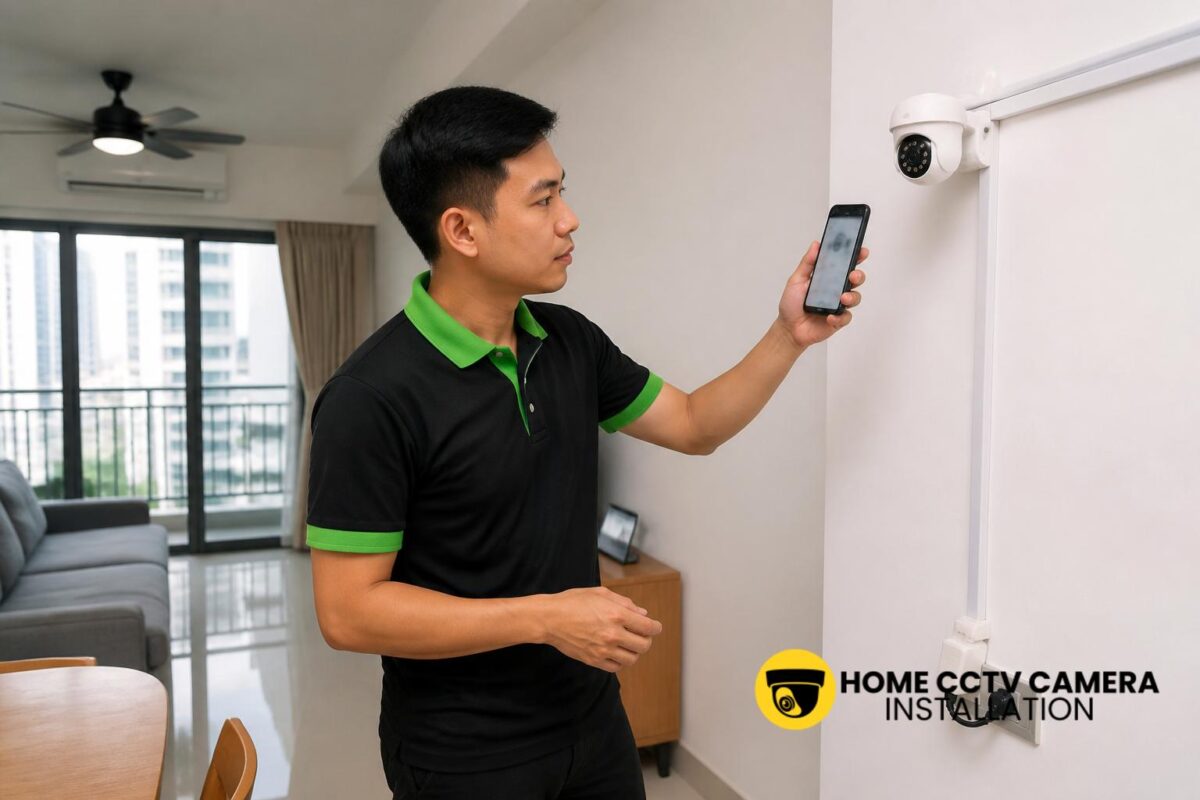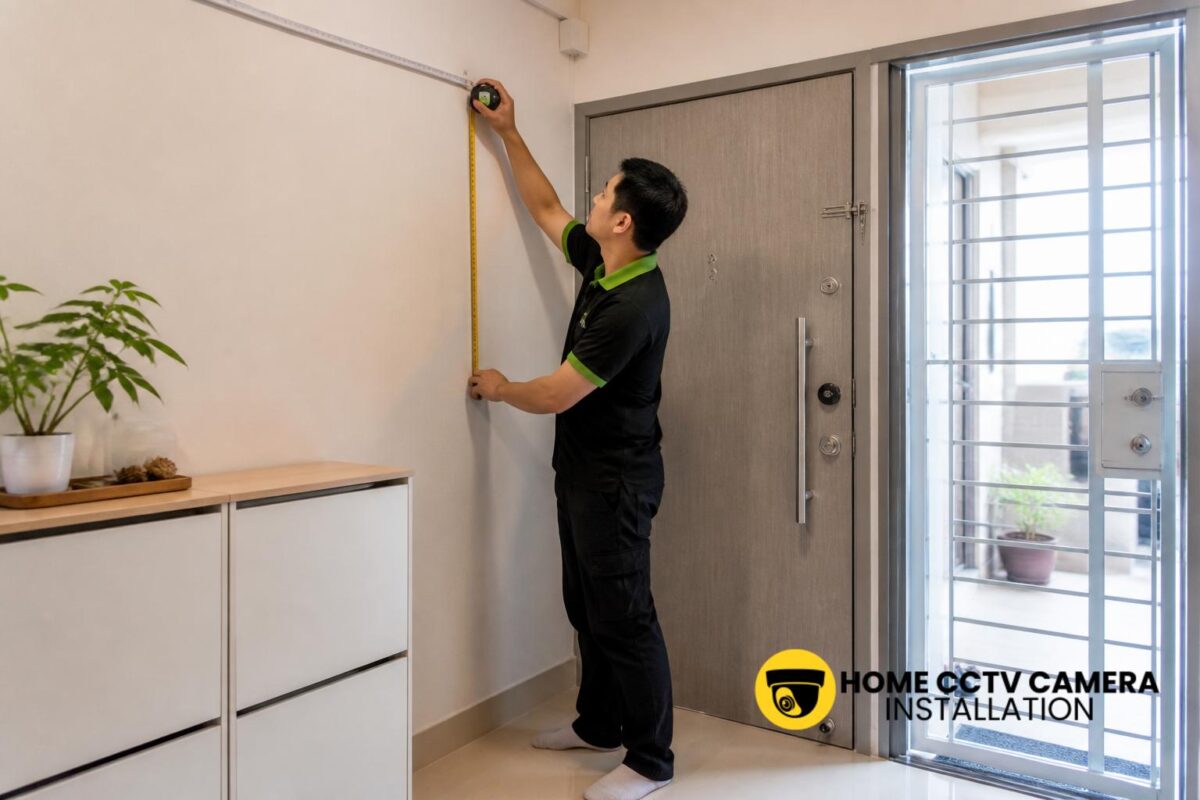

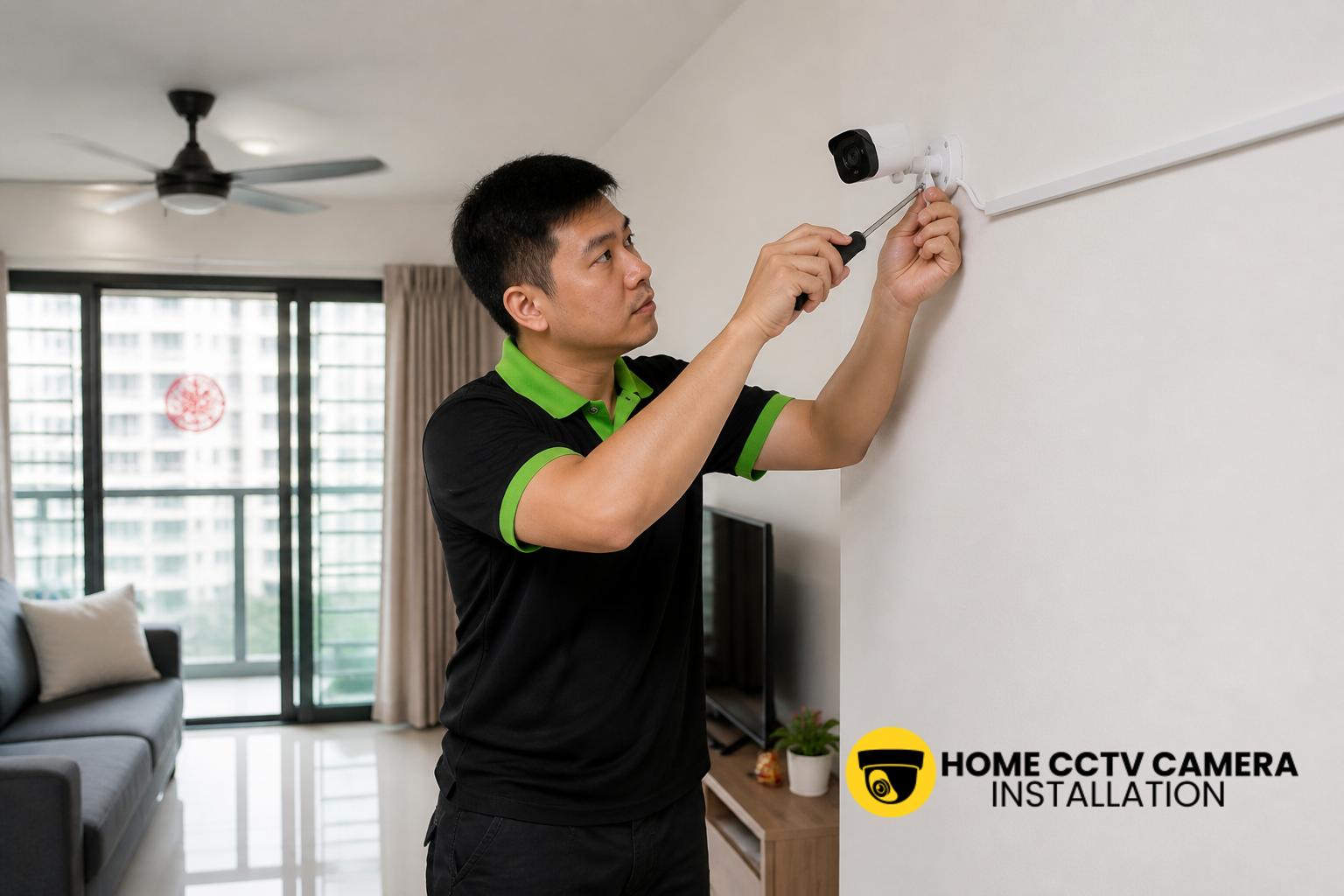
For an HDB flat in Singapore, the right number of home CCTV cameras depends less on a fixed rule and more on how your flat is laid out, which areas you want covered, and whether you prefer broader visibility or just monitoring of key access points. A compact two-room flat may only need one or two well-placed cameras, while a larger four-room or five-room unit may benefit from three or four cameras to reduce blind spots around entrances, service yards, and living spaces.
Start with the areas that matter most
The first step is to decide which parts of the flat you actually want to monitor. For most HDB households, the most common priorities are the main entrance, the service yard or back access area, and the living room or corridor-facing zone. These are the areas where movement is most likely to be captured and where camera placement usually offers the best coverage value.
If your main concern is checking who is at the door, one camera aimed at the entry point may be enough. If you also want to observe package deliveries, domestic helper access, or activity near the service yard, a second camera is often useful. The exact number is therefore tied to purpose, not just flat size.
Typical camera counts for different HDB flat sizes
While every home is different, there are practical ranges that many Singapore homeowners use as a starting point:
- 2-room or 3-room flat: 1 to 2 cameras
- 4-room flat: 2 to 3 cameras
- 5-room flat: 3 to 4 cameras
- Executive or larger HDB units: 4 or more cameras, depending on layout
These are not strict requirements. A smaller flat with an open-plan layout may still need two cameras for balanced coverage, while a larger flat with a simple floor plan may function well with three. The aim is to cover important viewing angles without overloading the home with unnecessary devices.
Why one camera is usually not enough
One CCTV camera can be useful, but it often gives only a partial picture. If placed at the entrance, it may capture arrivals and departures well, but it may not show what happens deeper inside the flat or near a secondary access point. If the camera is aimed too widely, details such as faces or hand movements may become less clear.
In practice, one camera is most suitable for homeowners who only want a basic visual record of the front door or a single high-priority location. For more complete monitoring, two cameras often provide a better balance between coverage and clarity, especially when one is placed at the entrance and another covers the internal living area or service yard.
When two cameras are enough for an HDB flat
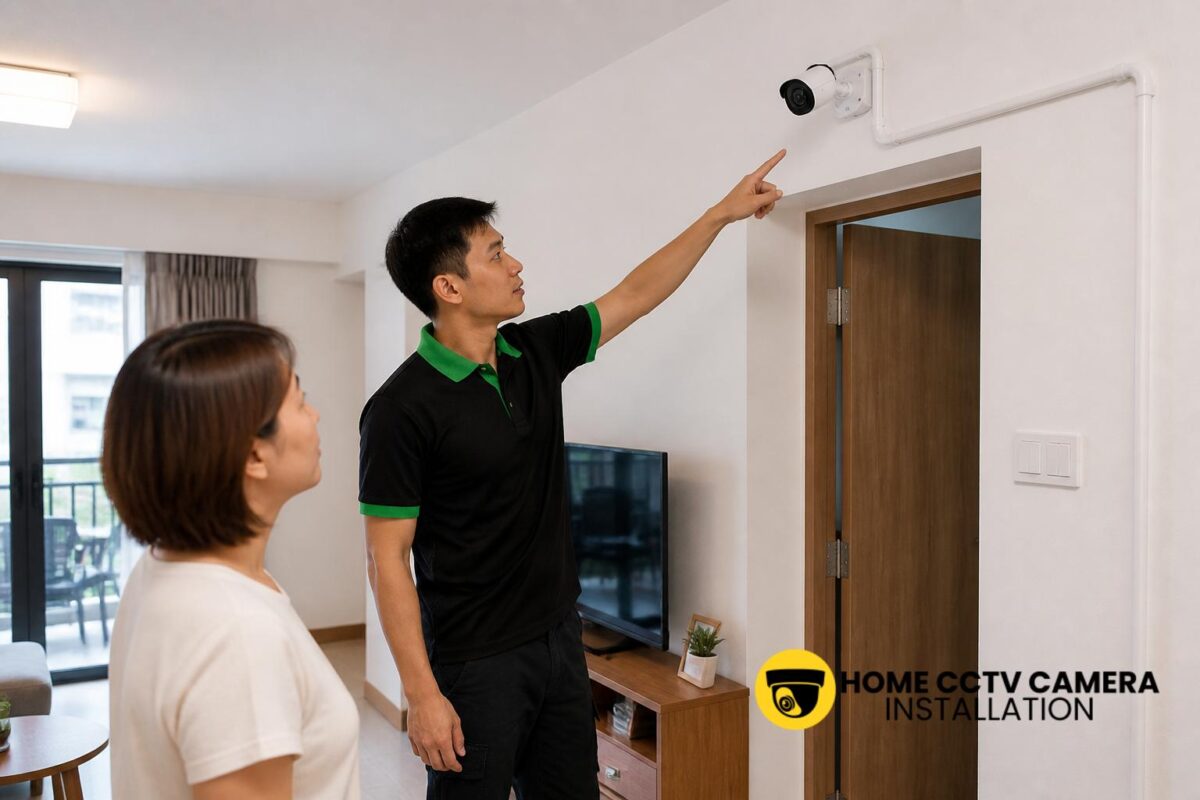
Two cameras are often sufficient for many Singapore HDB homes. A common setup is one camera at the main entrance and one additional camera covering the living room, corridor, or service yard. This arrangement gives a clearer picture of movement in and out of the flat while keeping the installation straightforward.
Two cameras are especially practical for smaller flats and for households that want simple, focused monitoring rather than full-home surveillance. They also reduce installation complexity, cabling requirements, and the number of devices that need to be configured and maintained.
When three or four cameras make more sense
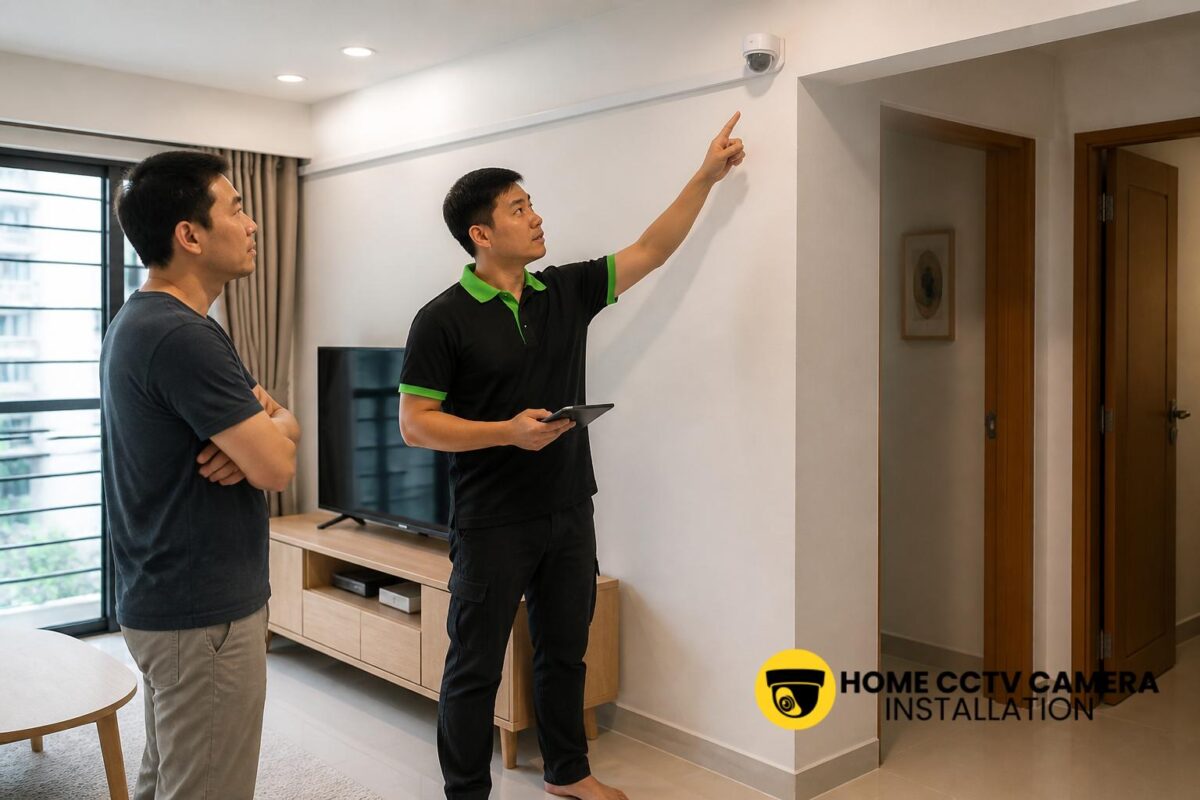
Larger HDB flats, or homes with several distinct access and activity points, may benefit from three or four cameras. This is often the case when homeowners want separate coverage for the main door, living room, service yard, and a hallway or dining area. Multiple cameras help reduce blind spots and allow each device to focus on a smaller area for better image detail.
Three or four cameras may also be preferable if the home has areas with different lighting conditions. For example, an entrance near a brightly lit corridor and a service yard with lower light may need different mounting positions and viewing angles. A more considered layout usually performs better than relying on one wide-angle camera to do everything.
Placement matters as much as quantity
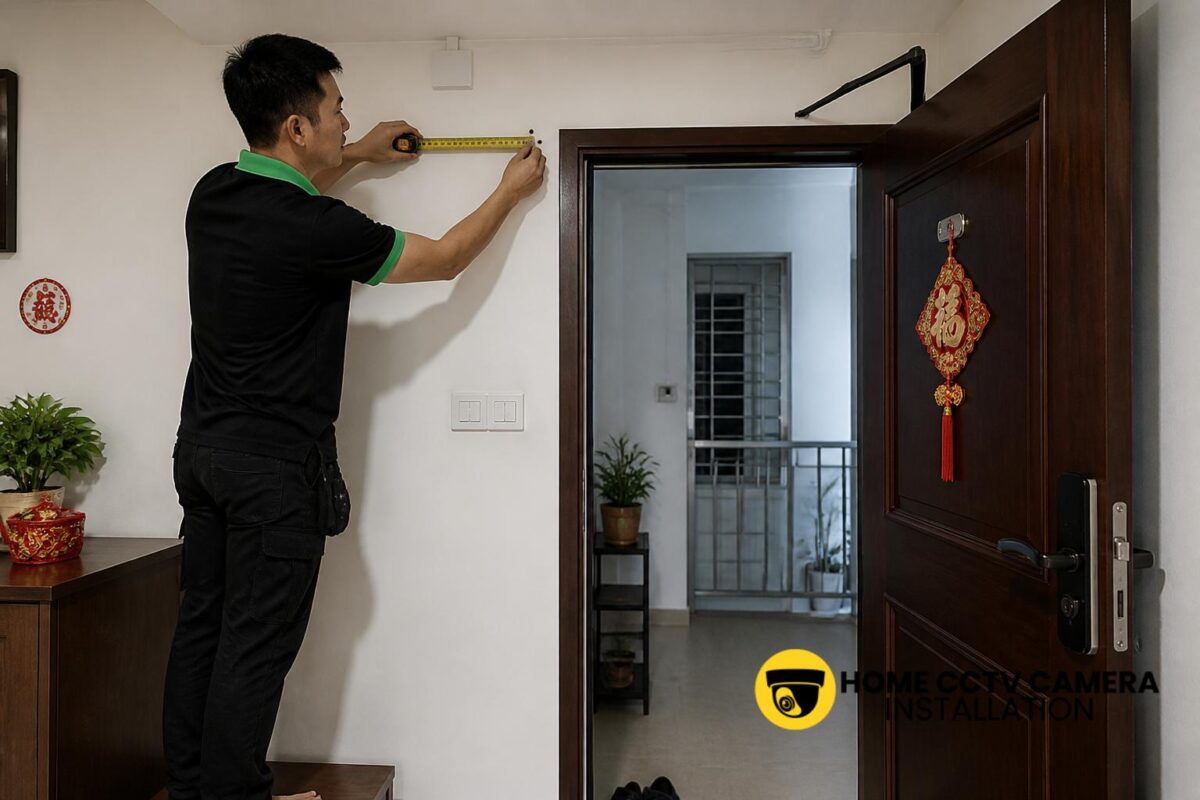
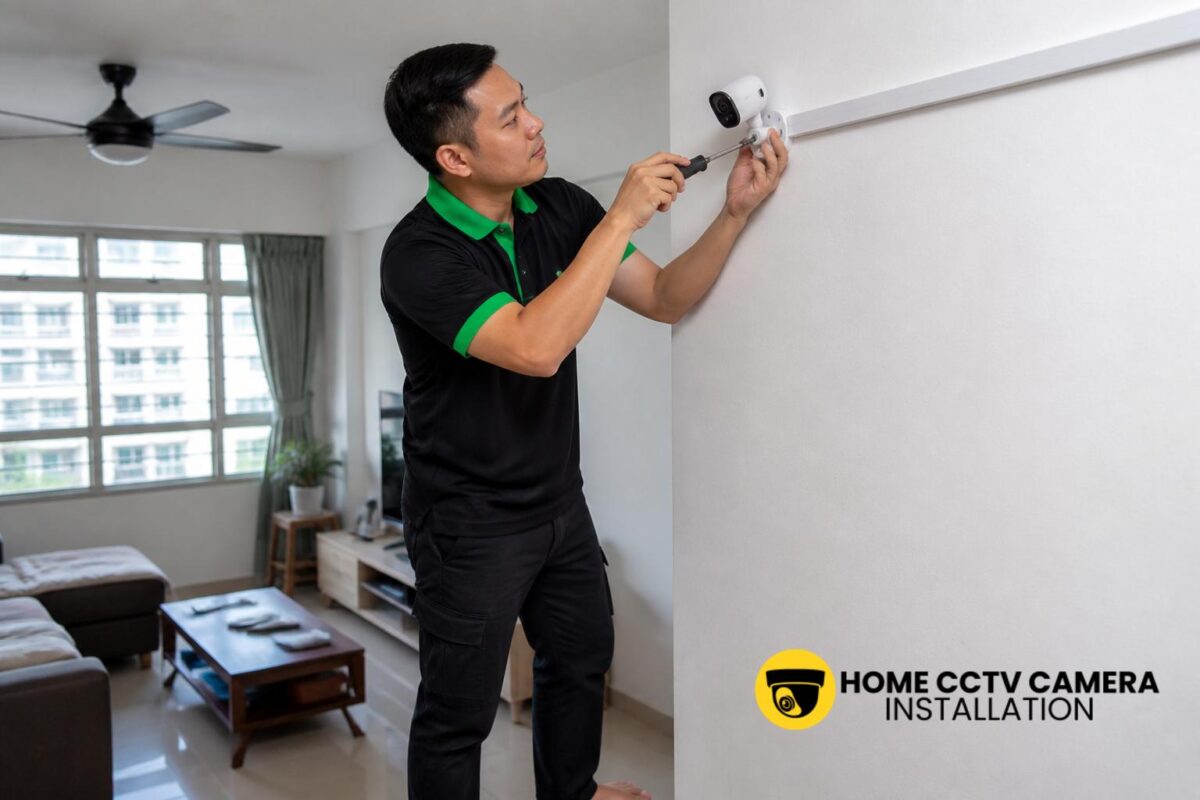
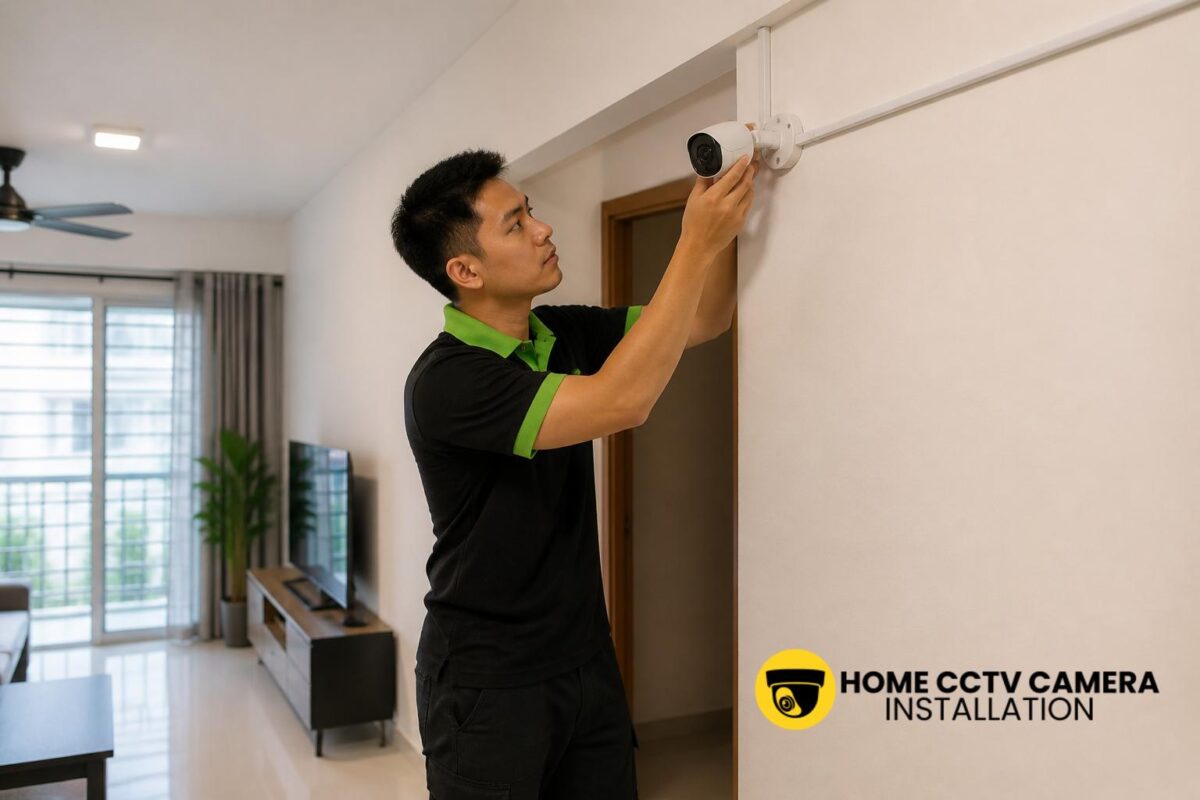
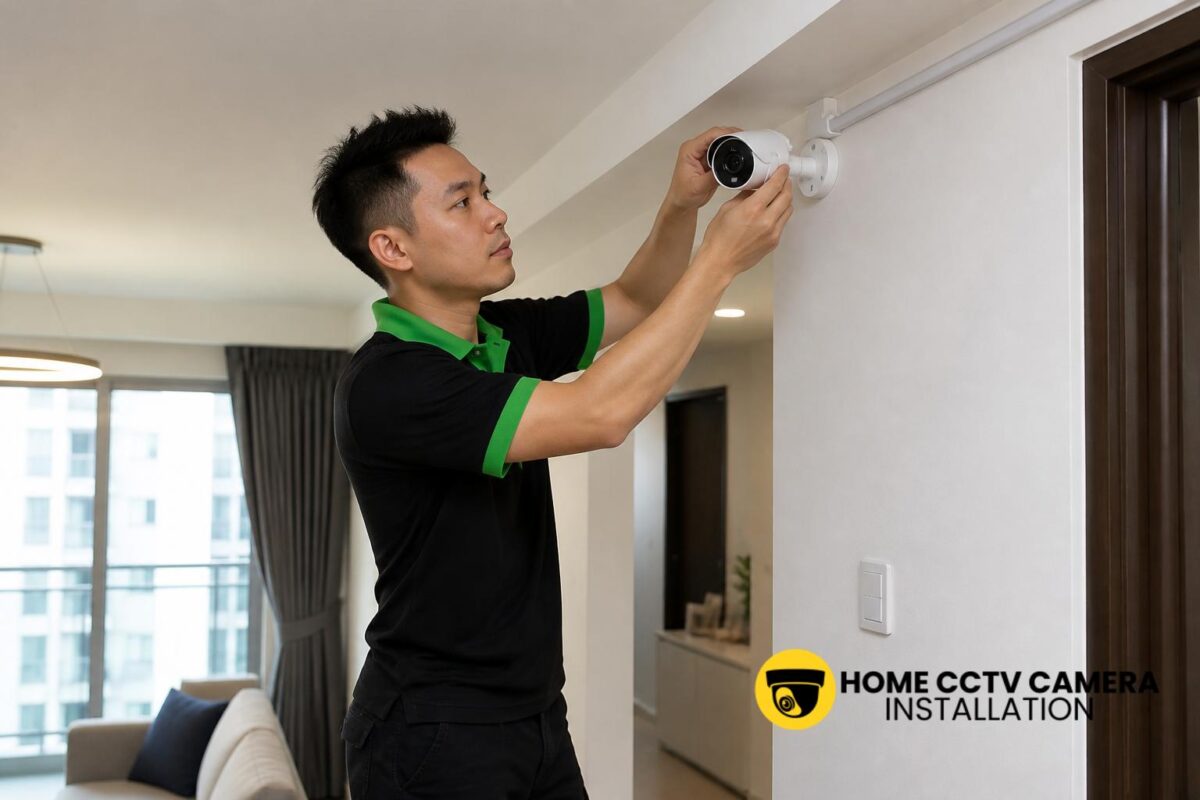
The number of cameras is only part of the decision. Good placement often matters more than adding extra units. A well-positioned camera mounted securely at the right height can cover more useful detail than several cameras placed without a clear plan. In HDB flats, installation points are usually chosen to achieve a clean line of sight while keeping cabling neat and practical.
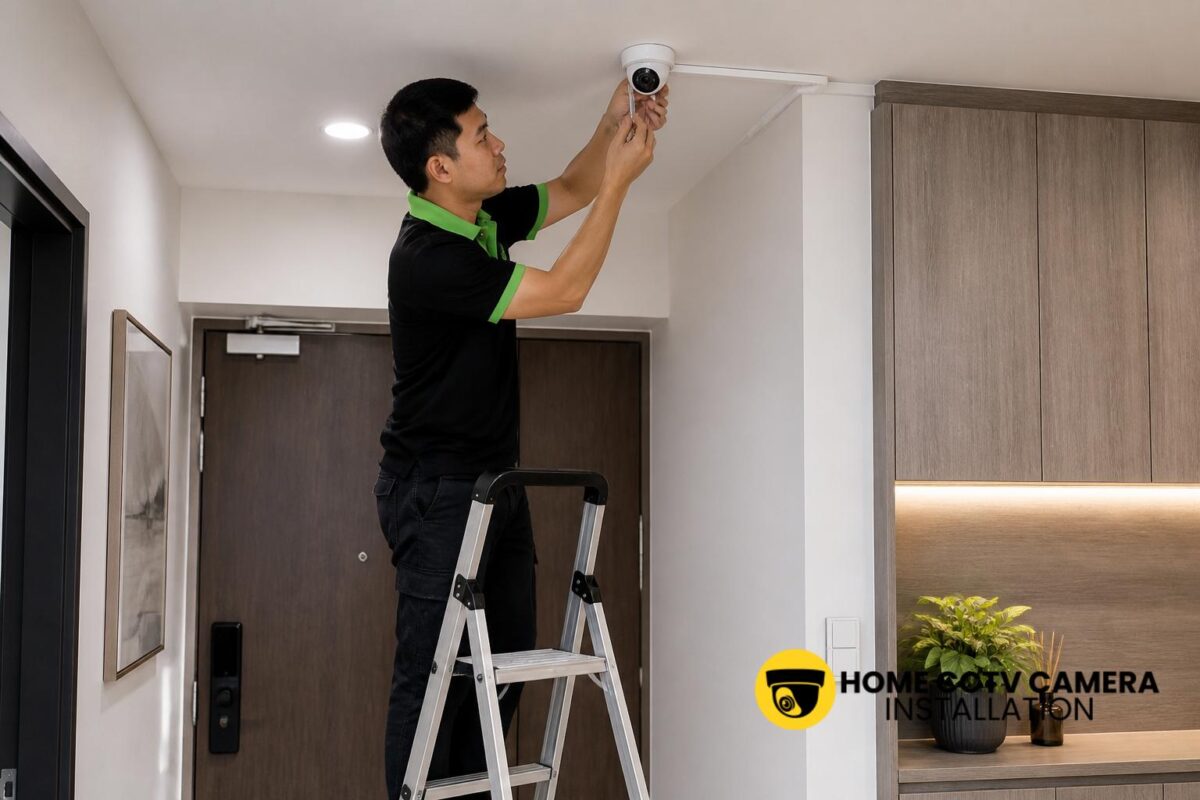
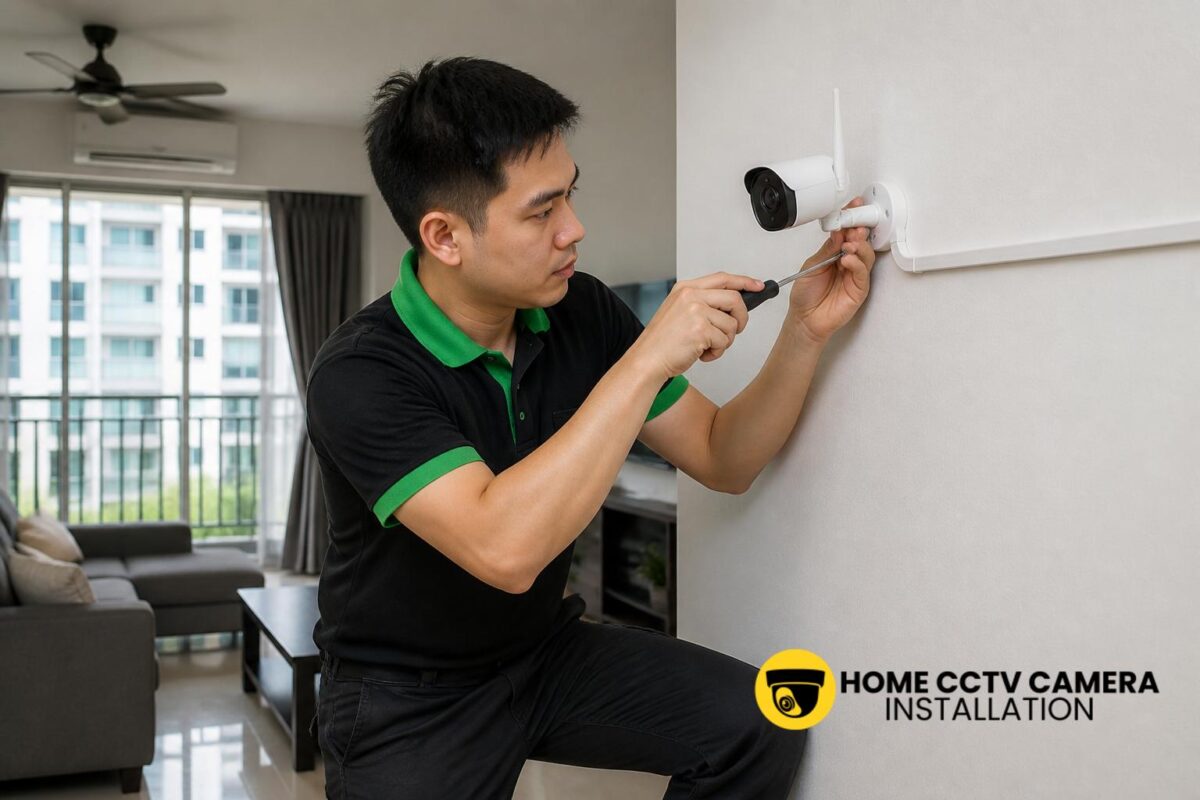
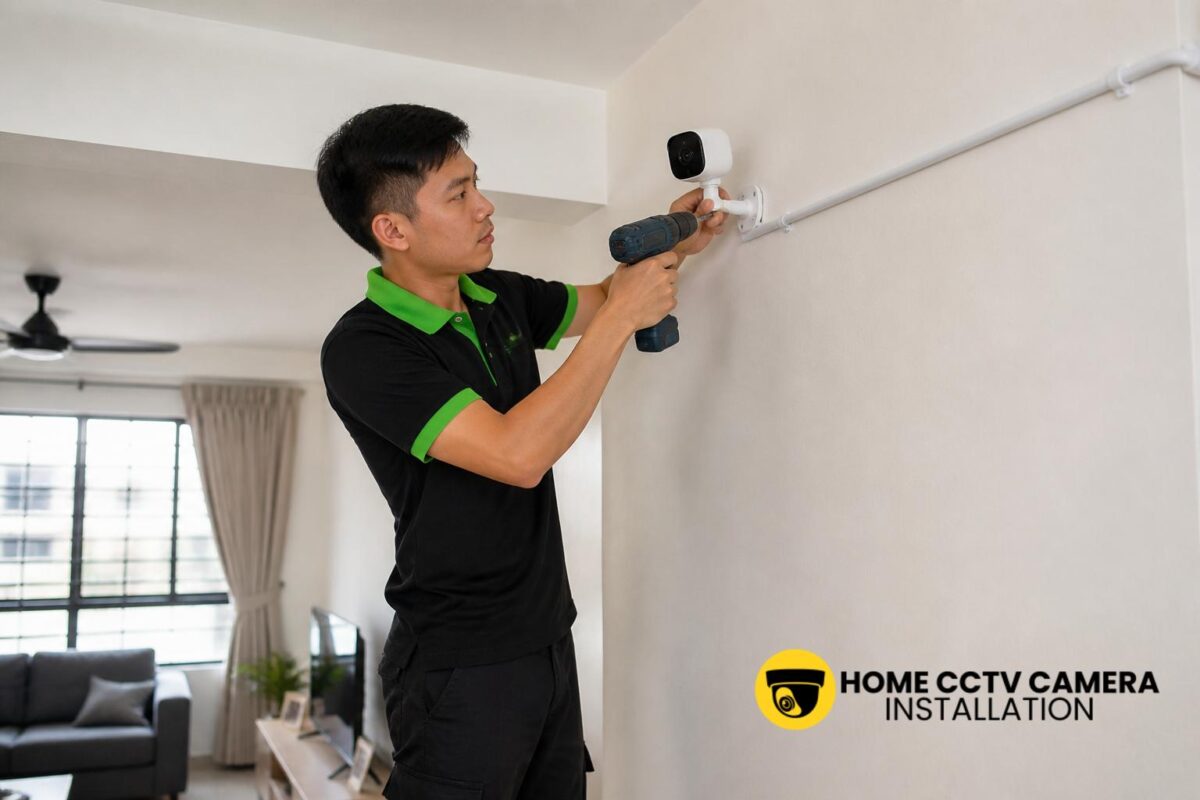
Common installation considerations include ceiling or wall mounting, angle of view, possible obstructions such as partitions or cabinets, and whether the camera needs nearby power support. For wired CCTV camera systems, neat cabling and sensible routing are important so the installation remains tidy and reliable over time.
Wired versus installation-only support for customer-supplied cameras
Some homeowners prefer a supply-and-install package, while others already have customer-supplied cameras and only need installation support. The number of cameras you choose may be influenced by this scope. For example, if you already own two cameras, it may be more practical to start with two properly installed units rather than adding more devices too early.
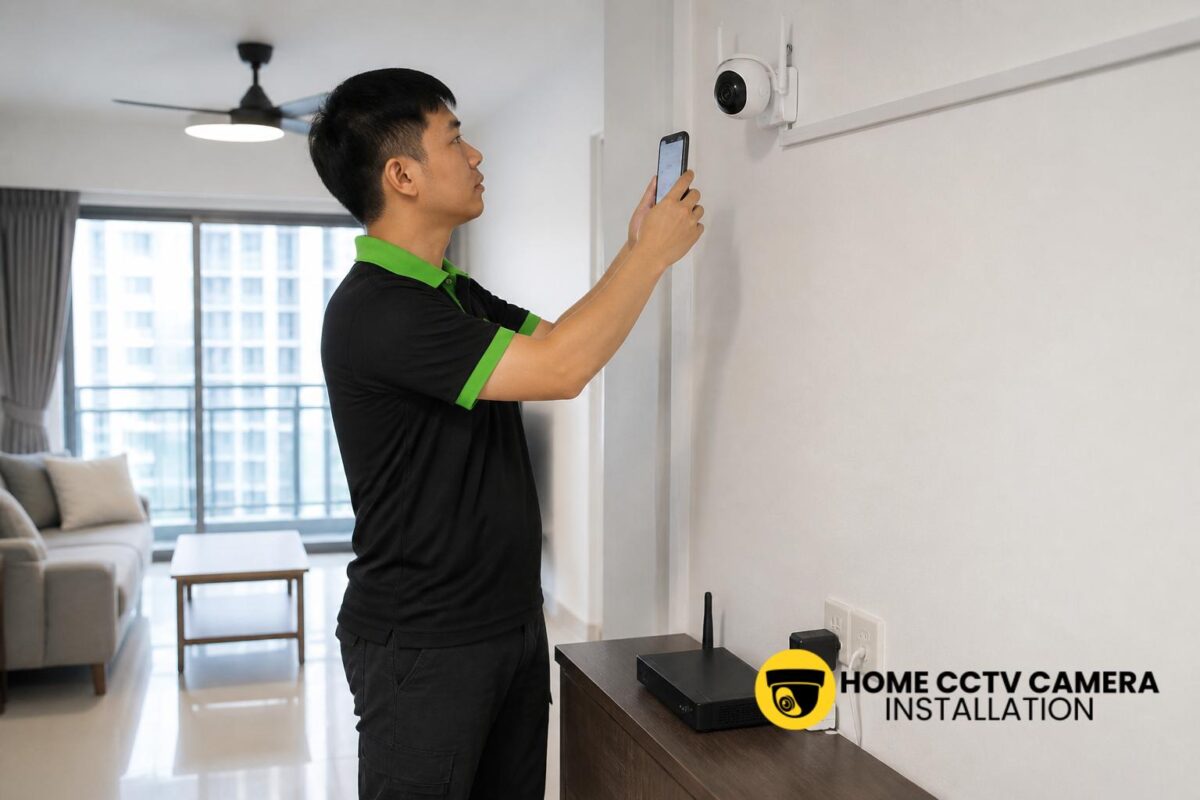
For wired installations, planning is especially important because each camera may require attention to power access, cable runs, and final setup. If the system is being installed in stages, it is often sensible to begin with the most important areas first and expand later if the home layout or usage pattern calls for it.
Factors that affect the final camera count
Several real-world factors can change the number of cameras your HDB flat needs. These include:
- Flat layout: Open-plan units may need fewer cameras than homes with more corners and partitions.
- Entry points: A front door, service yard, and internal access route may each need separate attention.
- Purpose: Monitoring deliveries, child supervision, helper oversight, or general household security can each call for different coverage.
- Lighting: Dimmer areas may need more careful placement or a dedicated camera angle.
- Existing infrastructure: Available power points and cable routes can influence how many cameras are practical to install neatly.
It is usually better to decide based on these factors rather than simply choosing the maximum number. A thoughtful plan tends to deliver more useful footage and a cleaner installation.
If you are unsure how many cameras your HDB flat needs, you can WhatsApp Home CCTV Camera Installation Singapore with your flat type, preferred camera locations, supply-and-install or installation-only requirement, and any cabling or power-point support needed for a quotation.
Conclusion
There is no single correct number of CCTV cameras for every HDB flat in Singapore. For many homes, one camera is enough for a single entrance, two cameras suit a small flat with basic coverage needs, and three or four cameras provide more balanced monitoring for larger layouts. The best result usually comes from matching camera count to your flat’s layout, the areas you want to monitor, and the quality of the installation.
If you focus on practical placement, secure mounting, tidy cabling, and proper setup, you are more likely to end up with a CCTV arrangement that fits your home well and remains easy to use day to day.
Choose Home CCTV Camera Installation Singapore
Home CCTV Camera Installation Singapore helps homeowners enhance security through professionally installed home CCTV systems across Singapore. Whether you require full supply and installation or home CCTV installation support for your home, our team ensures a clean and reliable setup.
We install a wide range of CCTV cameras, including IIP cameras, IP security cameras, surveillance cameras, and other configurations designed for residential use. Our CCTV installation services cover proper camera mounting, neat cabling, and power point installation where necessary, ensuring your home CCTV operates smoothly with clear and consistent coverage.
Home CCTV Camera Installation Singapore provides reliable Home CCTV installation services for HDB flats, condominiums, and landed homes. With a focus on quality installation and practical system planning, we help homeowners secure their living spaces with confidence. WhatsApp +65 8241 0032 to arrange your home CCTV installation today.
Frequently Asked Questions
Is one CCTV camera enough for an HDB flat?
One camera can be enough if you only want to monitor a single key area such as the main entrance. However, many homeowners prefer at least two cameras because one device often cannot cover the full flat layout without leaving blind spots.
What is the most common CCTV setup for a Singapore HDB flat?
A common setup is two cameras: one at the main entrance and one covering the living room, hallway, or service yard. This usually gives a good balance between coverage, cost, and installation simplicity for smaller to mid-sized flats.
Do I need more cameras if my HDB flat has a larger layout?
Often yes, especially if the flat has several separate areas or access points. Larger units usually benefit from three or more cameras so that each important zone can be monitored without stretching one camera too far.