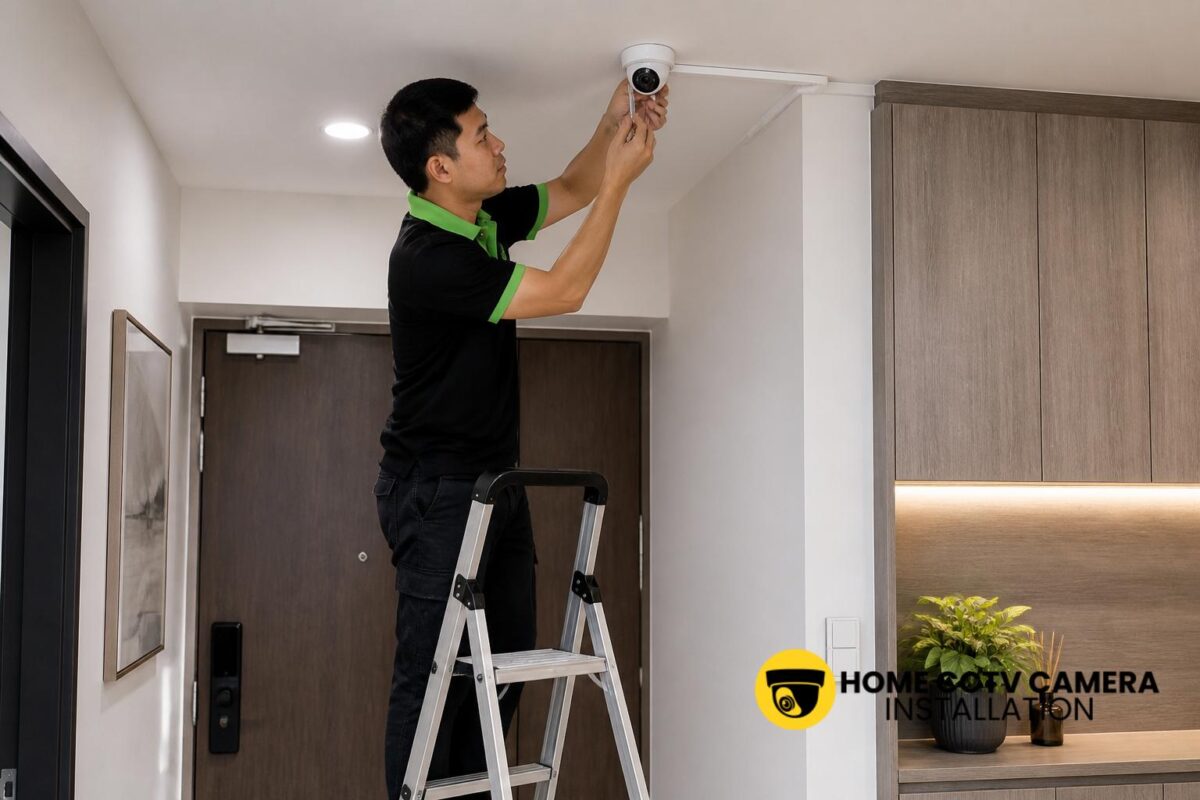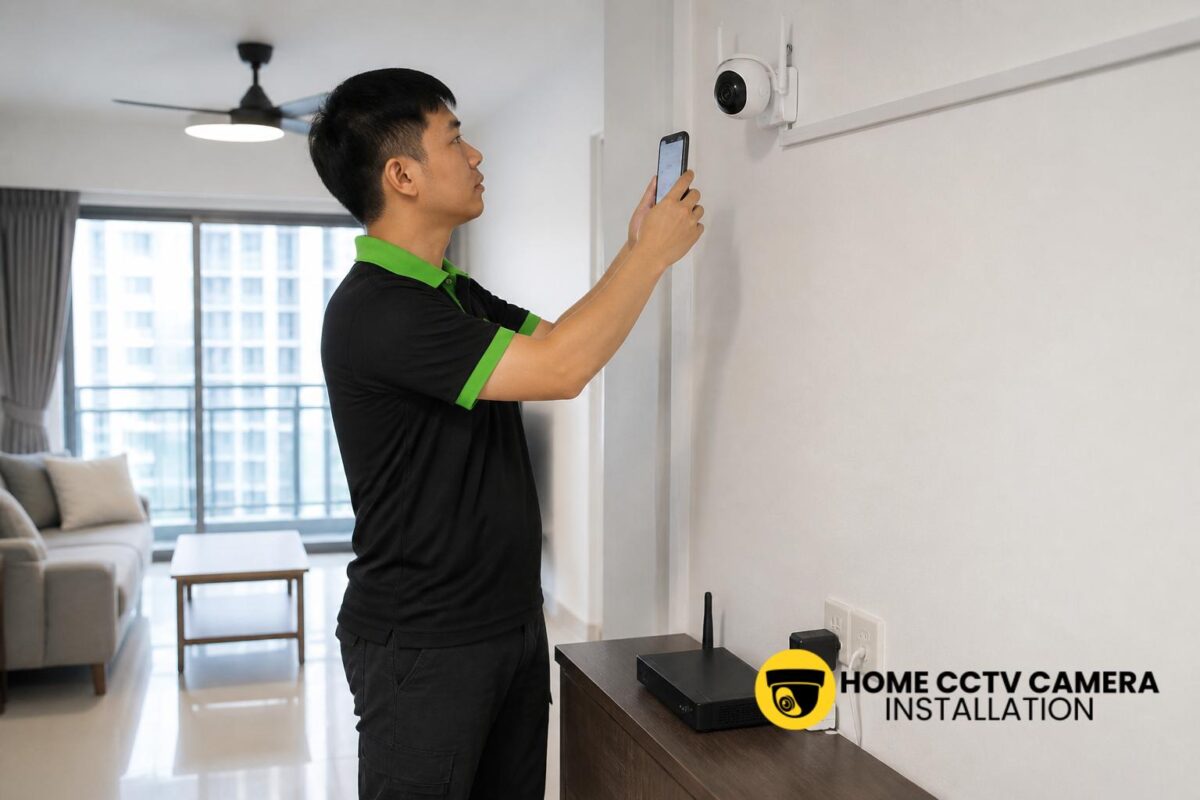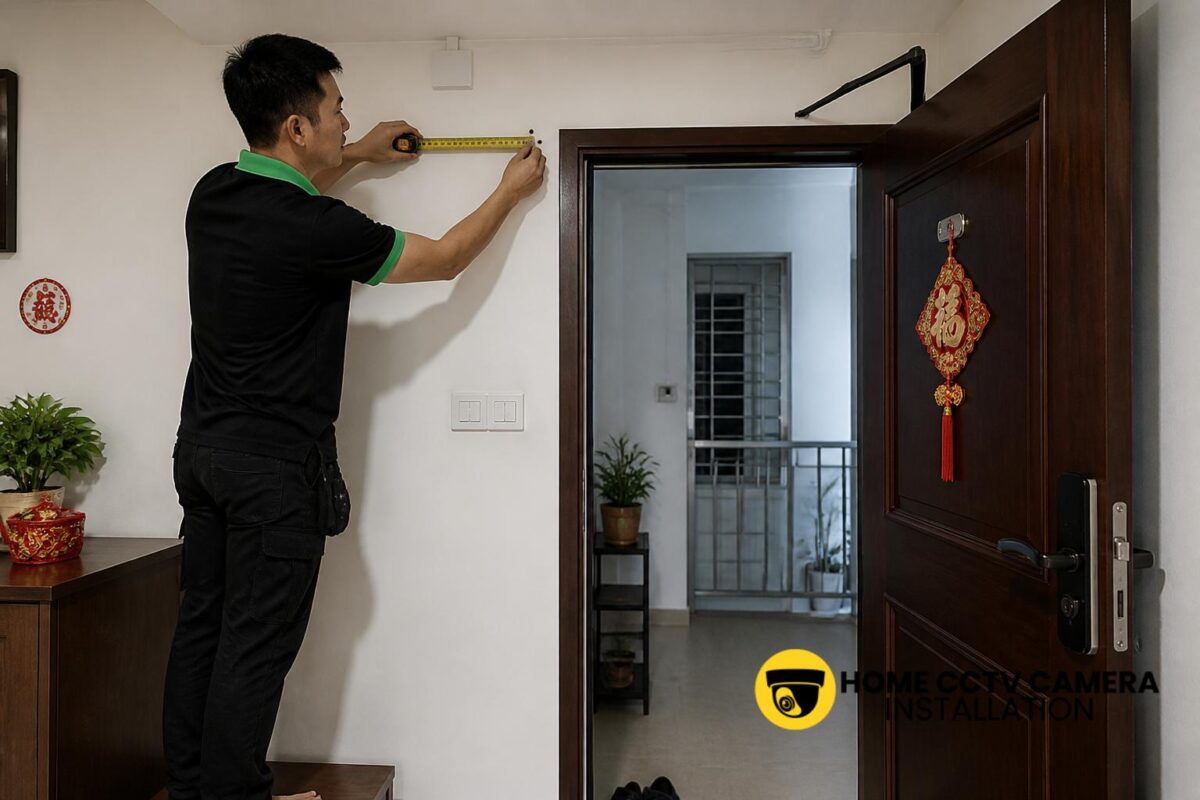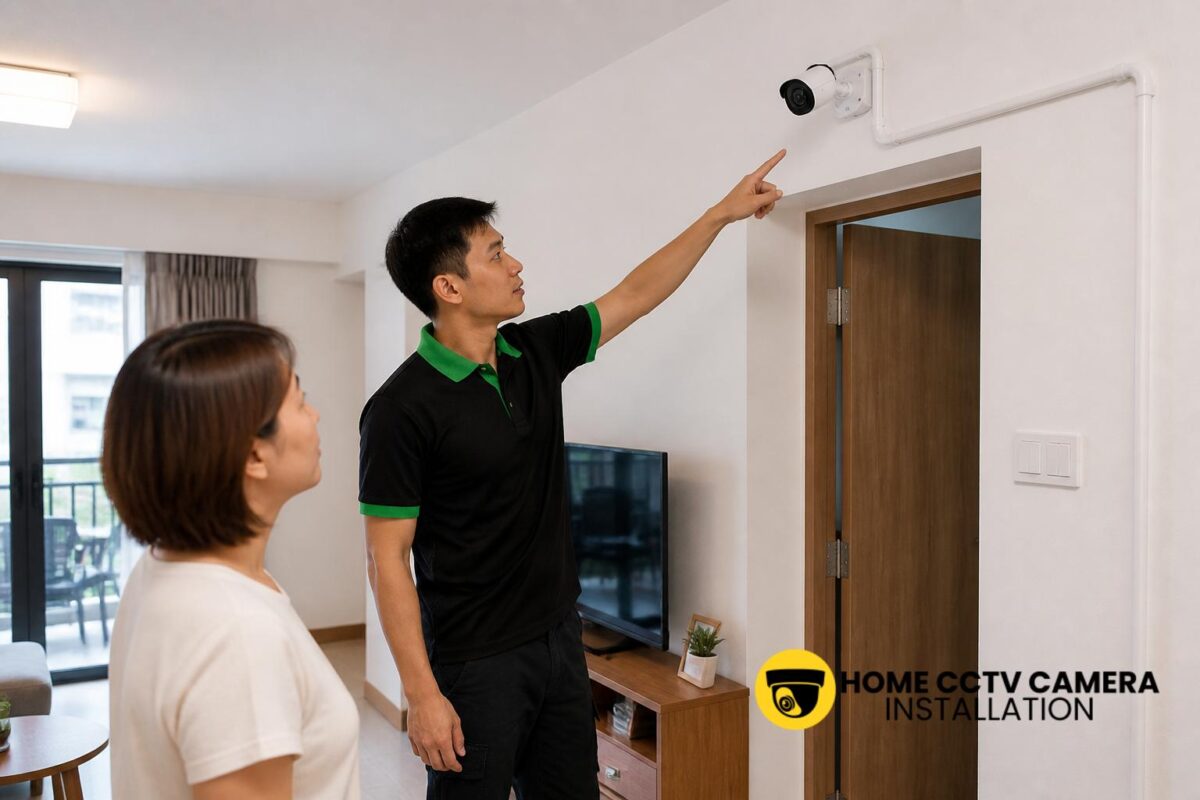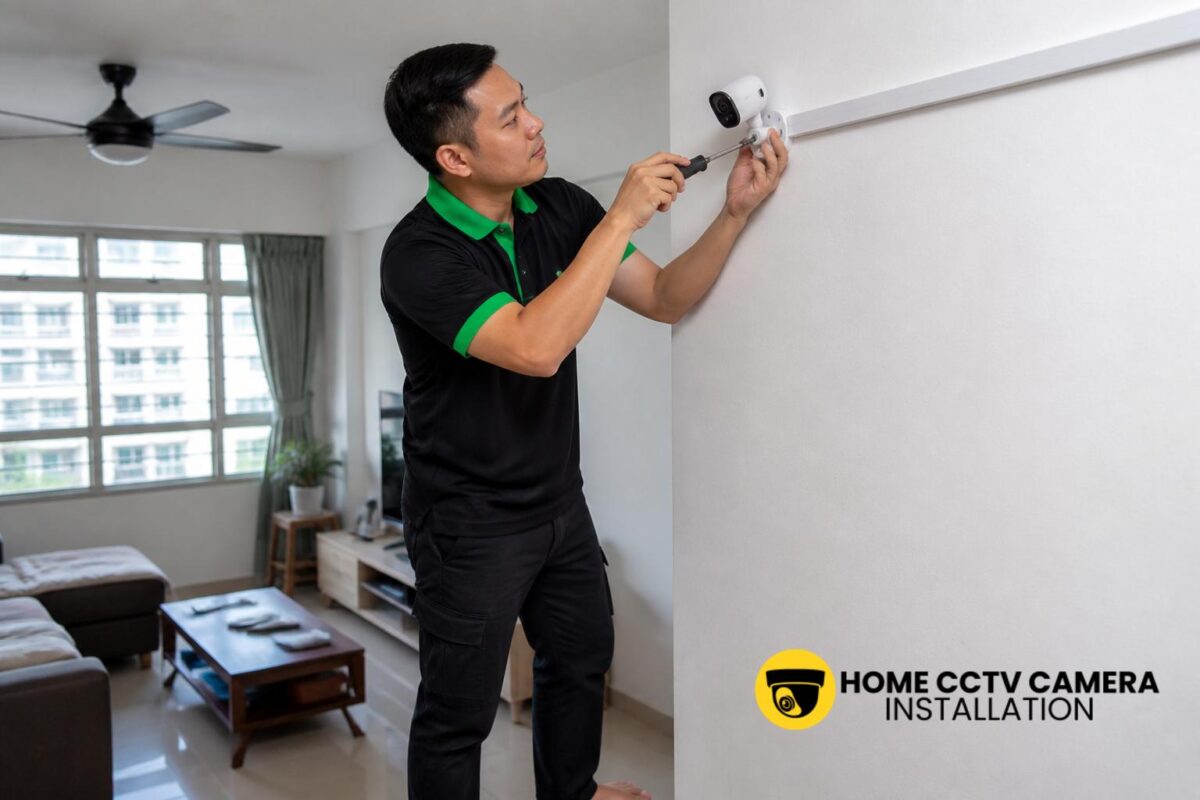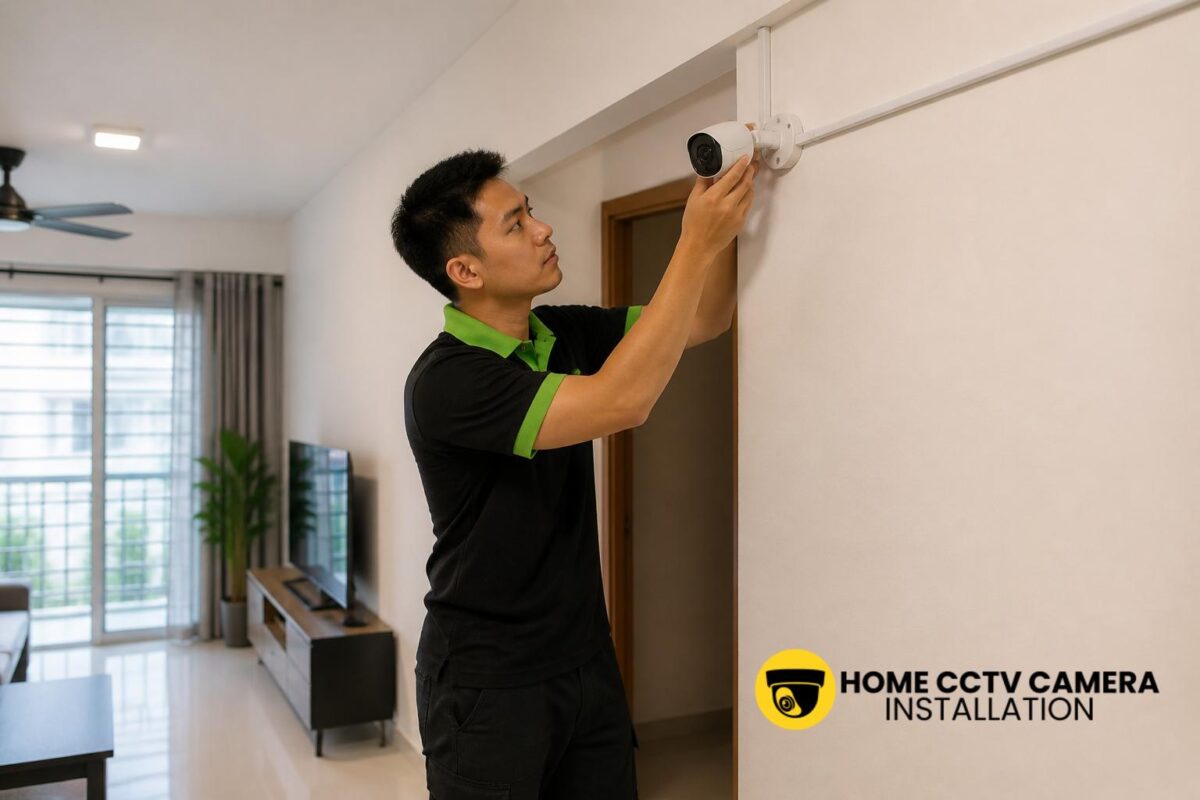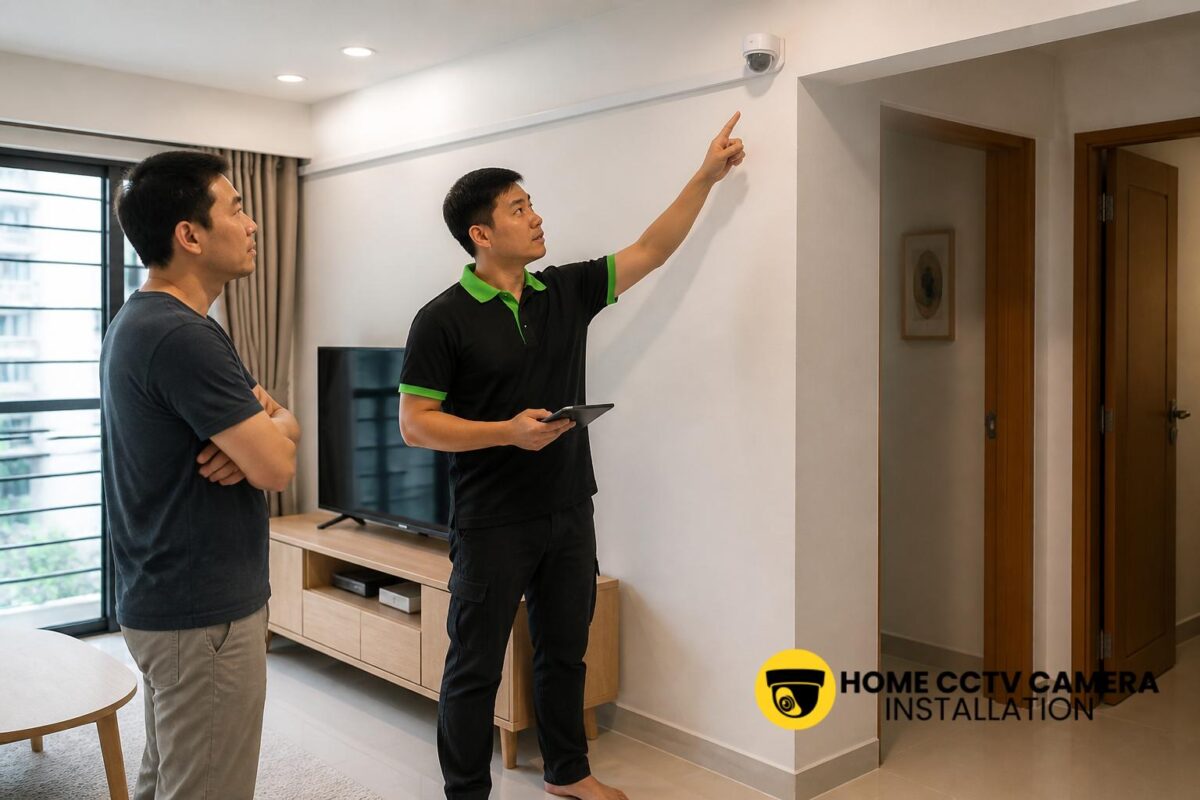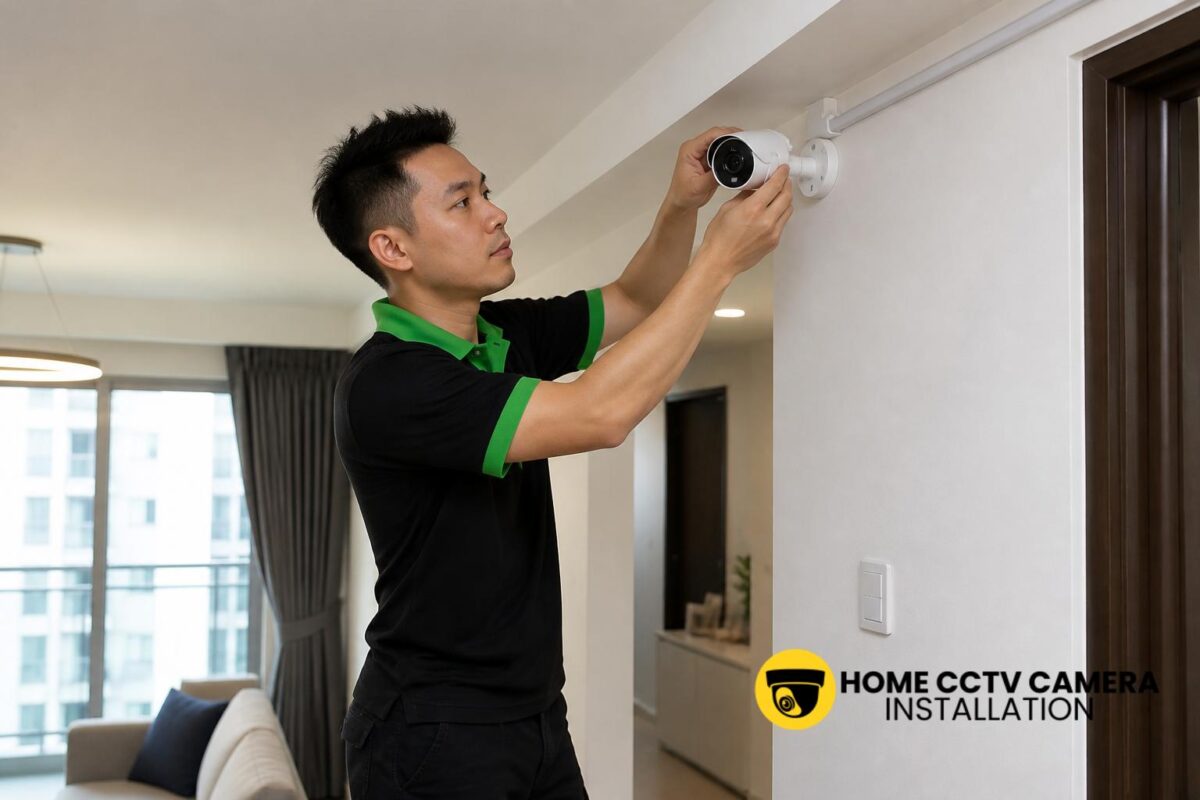

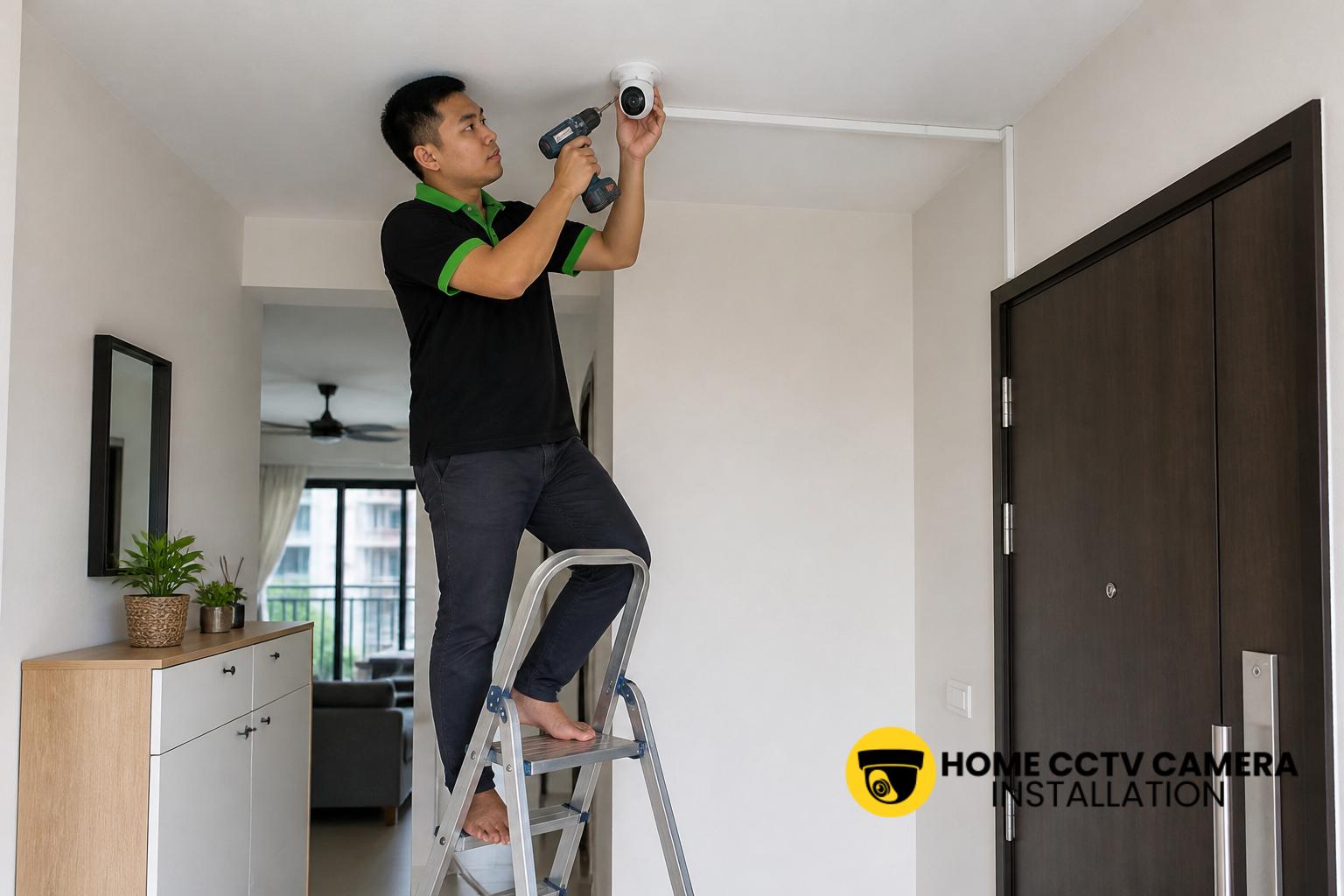
Before a CCTV installation, an installer arrives, a little preparation can make the whole process smoother, neater and more efficient. For Singapore homeowners, this usually means thinking through where the cameras should cover, how the devices will be powered, and whether the installation is for supplied cameras or installation-only support. Clear preparation also helps the installer assess cable routes, mounting points and the practical limits of your HDB flat, condominium or landed home.
Decide what you want the CCTV system to monitor
The first step is to be clear about the purpose of the installation. Some homeowners want to monitor the main entrance, while others are more concerned about the service yard, balcony, corridor, gate or driveway. A simple map of the areas you want covered will help the installer recommend sensible camera positions rather than relying on guesswork.
It also helps to note what you do not need to monitor. For example, you may want coverage of access points only, rather than every corner of the home. This keeps the setup more focused and can reduce unnecessary cabling and equipment.
Check the property layout and camera placement options
Different homes in Singapore present different installation conditions. In an HDB flat, camera placement may be influenced by corridor-facing doors, ceiling structure and available power points. In a condominium, common considerations include balcony coverage, entry points and rules around mounting in private versus shared areas. Landed homes often require planning for gates, car porches, side passages and external walls.
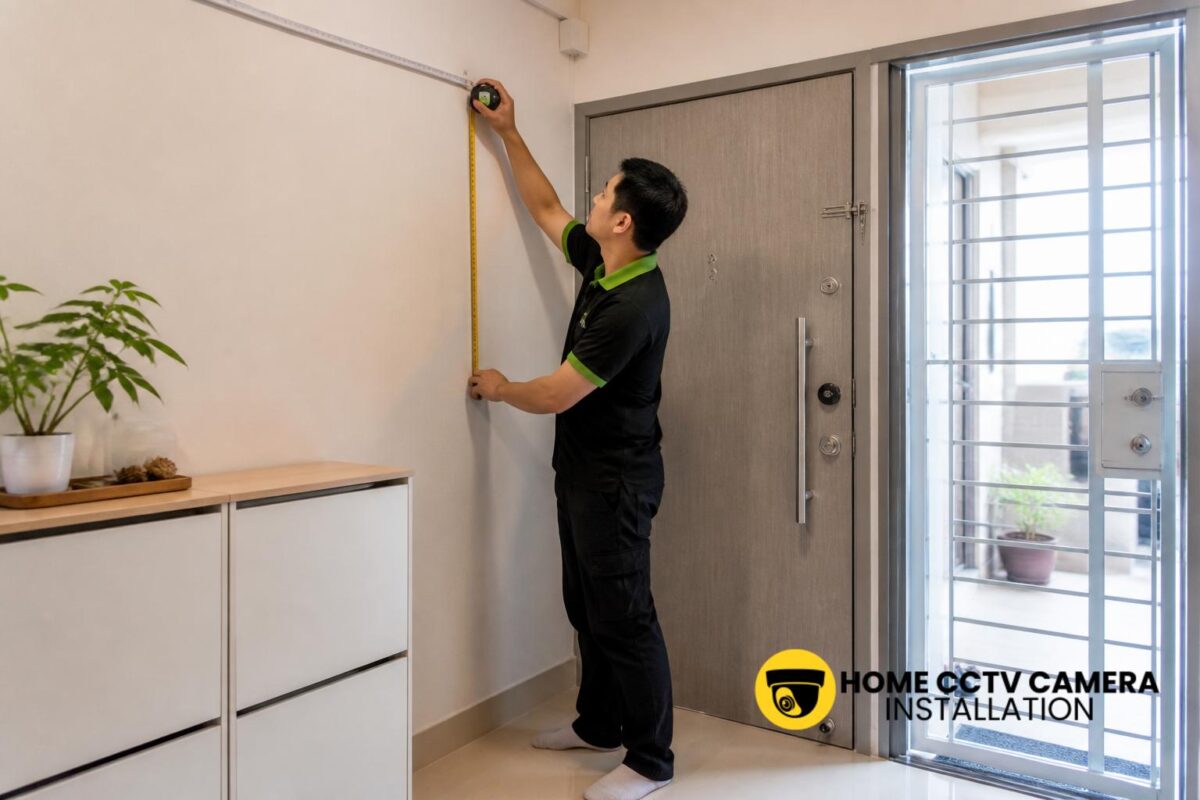
Before installation day, walk through the property and identify where a camera could realistically be mounted without blocking movement or looking out of place. It is useful to consider whether the camera should face a wide area, a narrow entry point or a specific approach route. Good planning at this stage supports better coverage and neater cable routing later.
Confirm whether you are supplying the cameras or need full supply-and-install
Homeowners should be clear about the scope of work. Some prefer a full supply-and-install service, where the installer provides suitable cameras, mounting hardware and setup. Others may already have purchased cameras and only need installation support. This distinction matters because it affects what accessories are required, how the installer prepares for the visit and whether the existing equipment is suitable for your home layout.
If you are supplying your own cameras, gather the model details in advance. The installer may need to know the camera type, power requirements, mounting format and whether any additional accessories are missing. This avoids delays on the day of installation and helps assess whether the equipment can be mounted neatly and safely.
Make room for power and cabling considerations
CCTV systems often depend on reliable power access, especially for wired installations. Before the appointment, check where nearby power points are located and whether they are practical for the proposed camera positions. If a point is too far away, the installer may need to plan a suitable cable route or suggest an alternative mounting location.
It is also worth thinking about how the cables will be routed. Homeowners generally prefer neat, discreet cabling along walls, ceiling edges or concealed routes where possible. If you have recently renovated, note finished surfaces that should be protected during drilling or mounting. Sharing these details early allows the installer to work more carefully and with fewer surprises.
Gather access details and practical permissions in advance
For a smooth installation, make sure the installer can access all relevant areas of the home. This may include the main entrance, balcony, service yard, storeroom, gate area or any point where a camera is expected to be mounted. If keys, access cards or lift access are required, prepare them beforehand.
In condominium or landed properties, there may also be practical rules about drilling, facade access or shared boundaries. Homeowners should check any estate or management requirements before the appointment so that the installation can proceed without avoidable delays. In some cases, it may be helpful to inform the management office or relevant party ahead of time.
Think about your recording and viewing setup
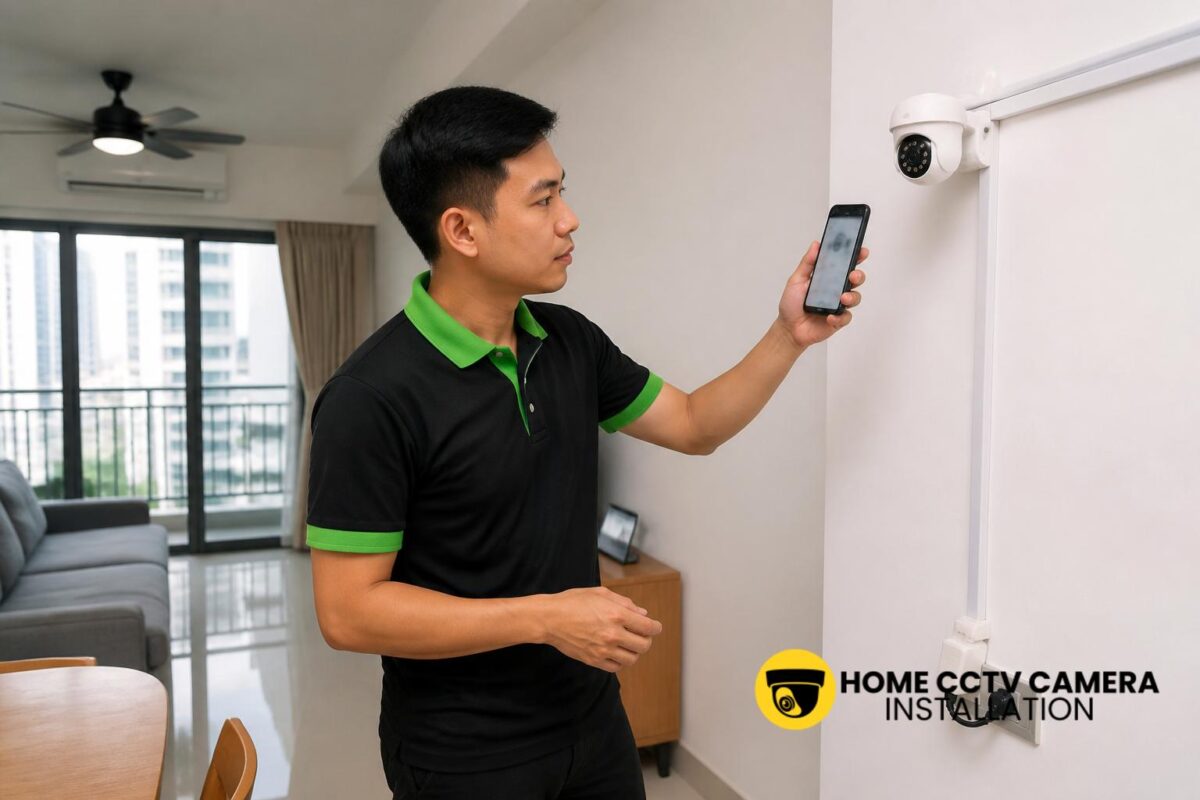
Preparation is not just about mounting the cameras. You should also decide how you want to view or manage the footage. Some homeowners prefer a local recorder or monitor setup, while others want camera access through a mobile app or home network. Knowing your preference helps the installer configure the system more appropriately during setup and testing.
If the cameras will connect to existing network equipment, make sure the router, switch or recorder area is accessible. If you want certain users to have access, prepare those details in advance as well. This includes any preferred app installation steps, notification settings or account setup requirements that may need to be completed during the visit.
Prepare the installation area so the work can start quickly
On installation day, clear the areas around proposed camera points, power points and equipment locations. This does not need to be extensive, but having furniture moved slightly away from walls or entry points can save time and reduce disruption. A tidy working space also helps the installer place ladders, tools and cabling more safely.
If the camera is to be mounted in a visible area such as a gate, ceiling corner or entrance wall, it is useful to clean the surface lightly beforehand. This is not for appearance alone; a clear surface can make marking, drilling and alignment more straightforward. If pets, children or guests will be present, plan the appointment timing so the work can be done without interruption.
Know what questions to ask before the appointment
A short discussion before installation can prevent confusion. Ask about the expected number of cameras, the best mounting positions for your property type, whether any additional cabling is likely to be needed and whether the existing power arrangement is suitable. If you are using customer-supplied cameras, confirm that the installer supports that arrangement and that all necessary parts are available.
You may also want to clarify what testing will be done after installation. A proper final check typically includes camera alignment, image verification, cable neatness and basic system setup. Knowing this in advance gives homeowners a better sense of what to expect when the work is completed.
If you would like help planning your home CCTV installation, WhatsApp Home CCTV Camera Installation Singapore to discuss your property type, number of cameras, supply-and-install or installation-only requirements, preferred camera locations, existing equipment and any cabling or power-point needs, and request a quotation: Send a WhatsApp enquiry.
Conclusion
Preparing for CCTV installation is mainly about clarity and access. When Singapore homeowners know which areas they want to monitor, understand the property layout, confirm the equipment scope and make allowances for power, cabling and access, the installation is usually more efficient and better tailored to the home. A little preparation upfront also makes it easier for the installer to produce a neater result that suits the property.
Choose Home CCTV Camera Installation Singapore
Home CCTV Camera Installation Singapore provides professional CCTV installation Singapore services for residential properties, supporting homeowners with reliable home CCTV and CCTV system Singapore solutions. Our services cover both home CCTV installation and installation only support for homeowners who already own a CCTV camera, IP camera, or security camera setup.
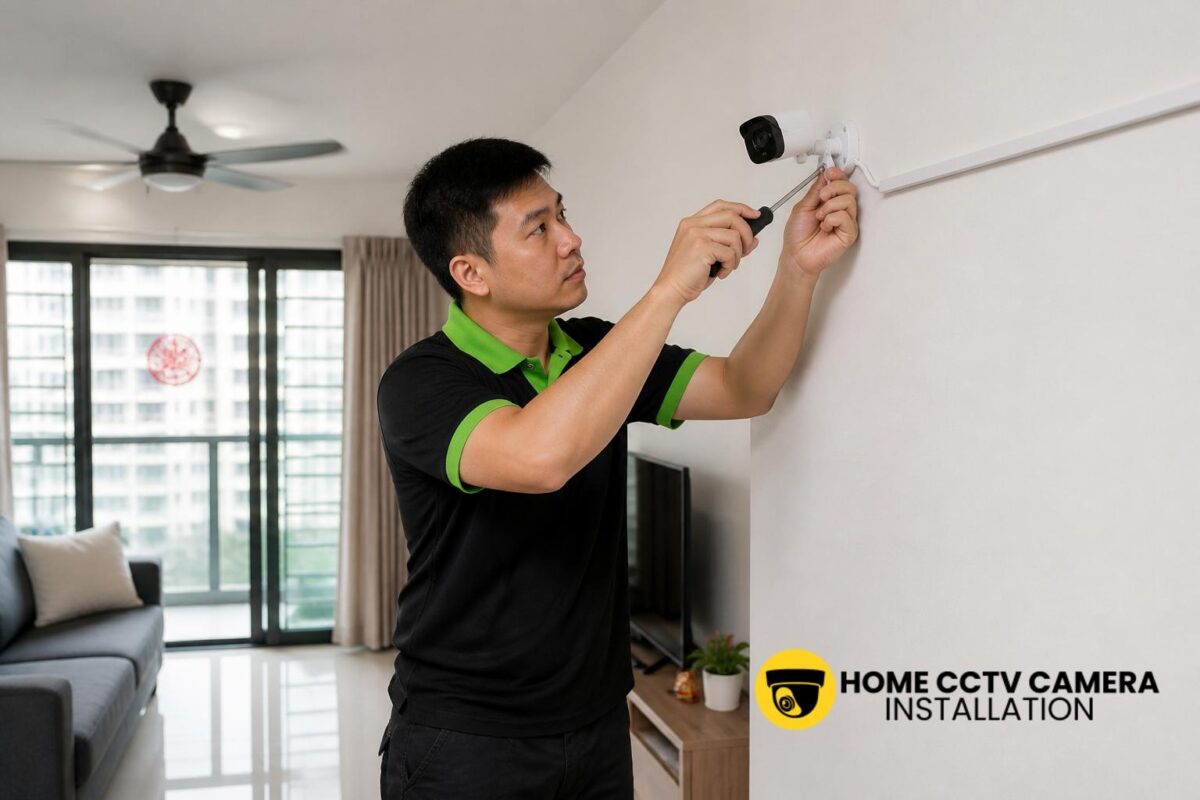
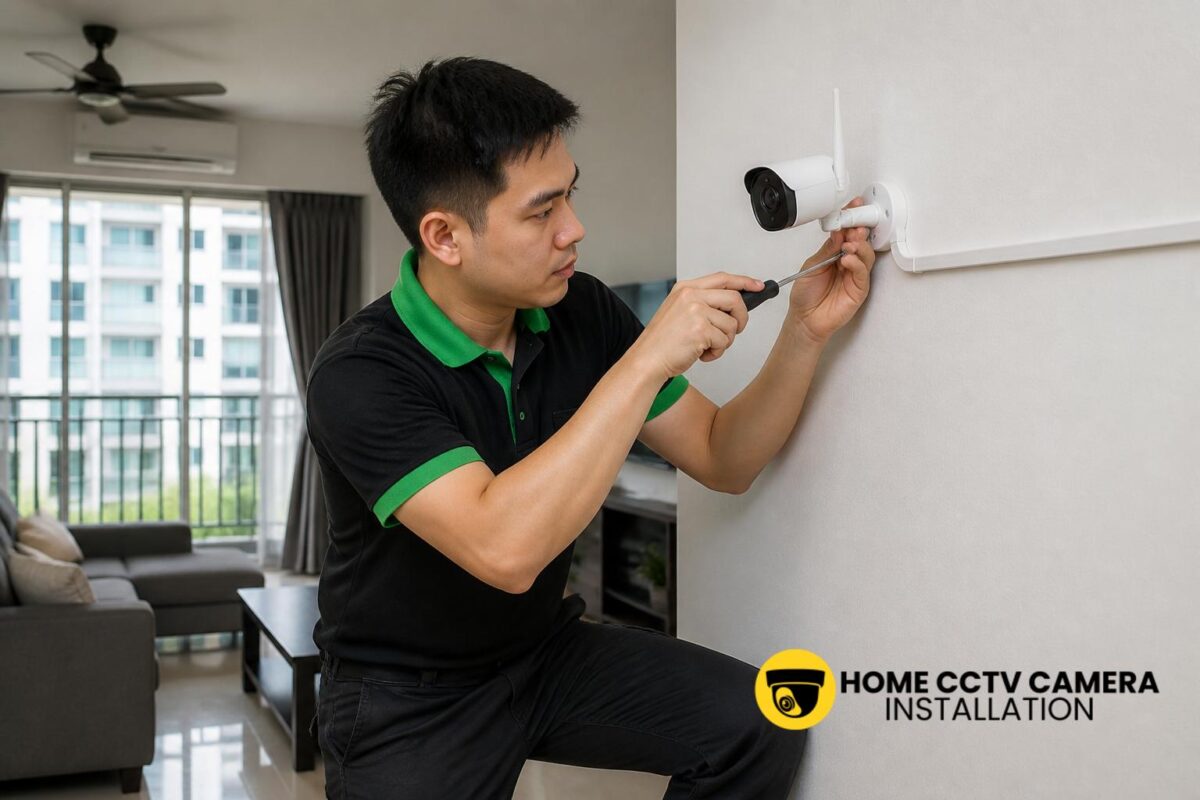
We work with various CCTV systems, including IP cameras, IP security cameras, surveillance cameras, and other configurations. Our installation services include camera mounting, basic cabling, and power point installation where required to ensure each CCTV camera is installed safely and positioned for effective coverage. From layout planning to final setup, we focus on practical CCTV installation that suits everyday home environments.
Serving households islandwide, Home CCTV Camera Installation Singapore delivers trusted solutions with a strong emphasis on workmanship, system reliability, and long-term usability. WhatsApp +65 8241 0032 for enquiries on our home CCTV installation services.
Frequently Asked Questions
Do I need to prepare a site plan before CCTV installation?
A formal site plan is usually not necessary for most homes, but a simple sketch or marked-up photo can be very helpful. It gives the installer a clearer idea of where you want coverage and where the cameras may be mounted.
What should I check if I already bought my own CCTV cameras?
Check the camera model, mounting method, power requirements and whether any accessories are missing. It is also useful to confirm that the equipment suits your intended installation points and that the installer supports installation-only work.
Can CCTV cameras be installed neatly in an HDB flat or condominium?
Yes, neat installation is often possible with careful planning, appropriate mounting points and sensible cable routing. The exact approach depends on the layout of the home, available power points and the areas you want to monitor.