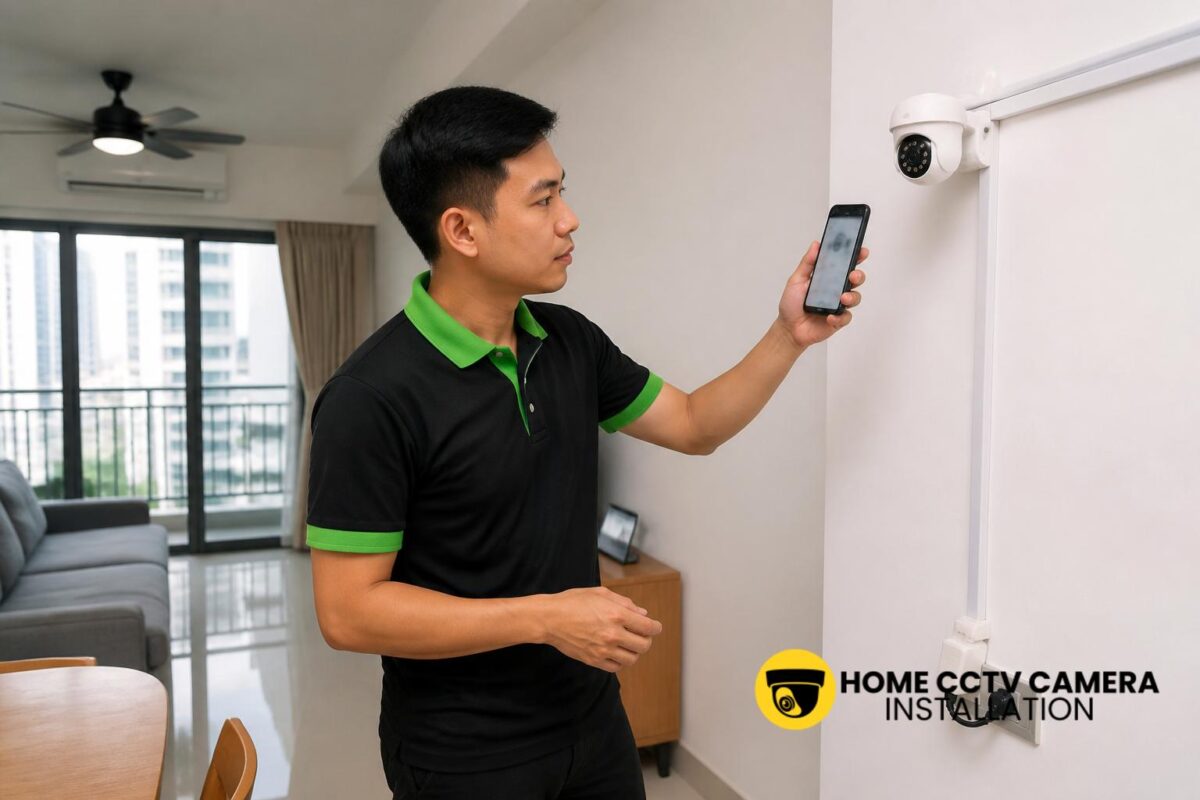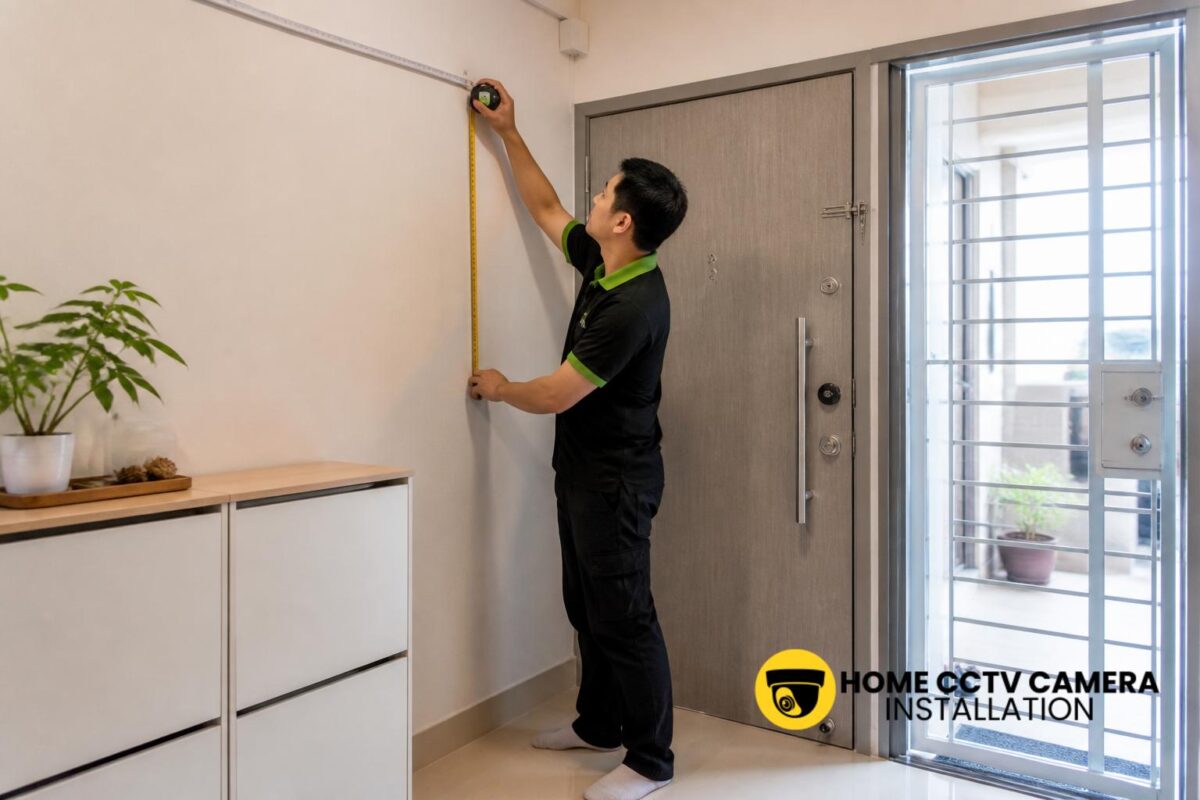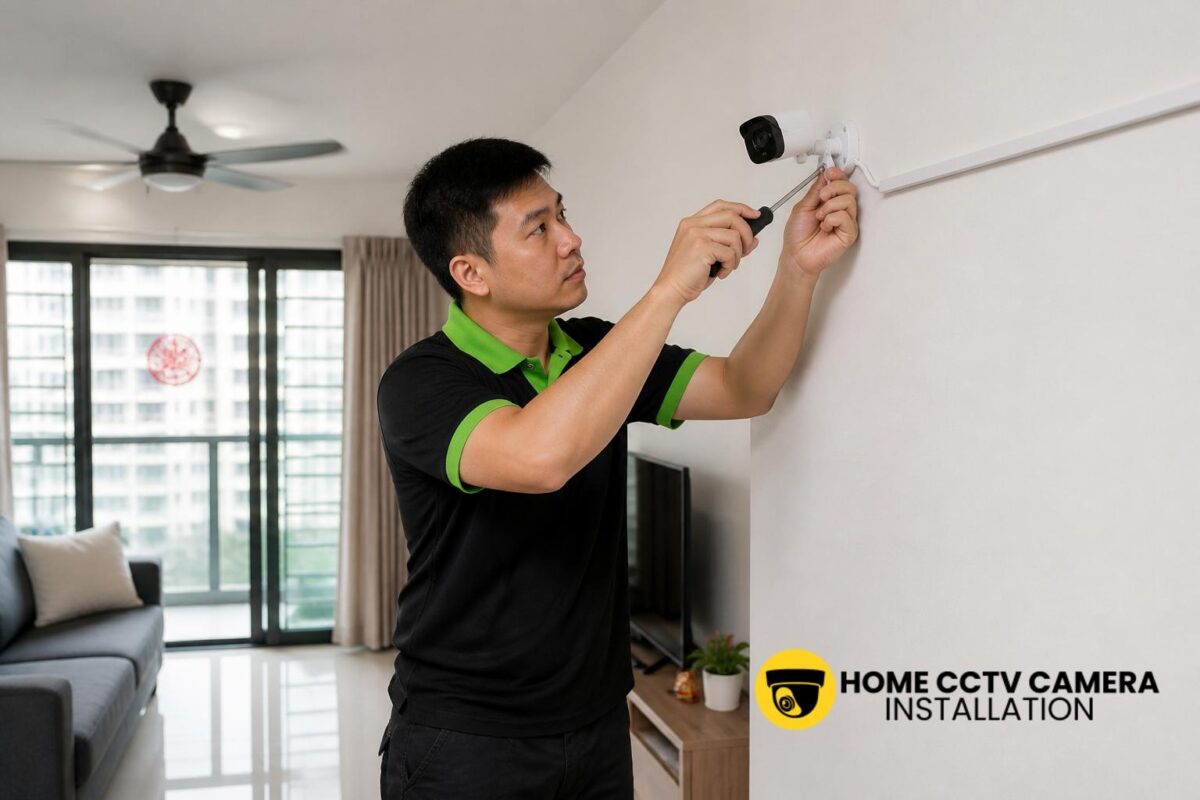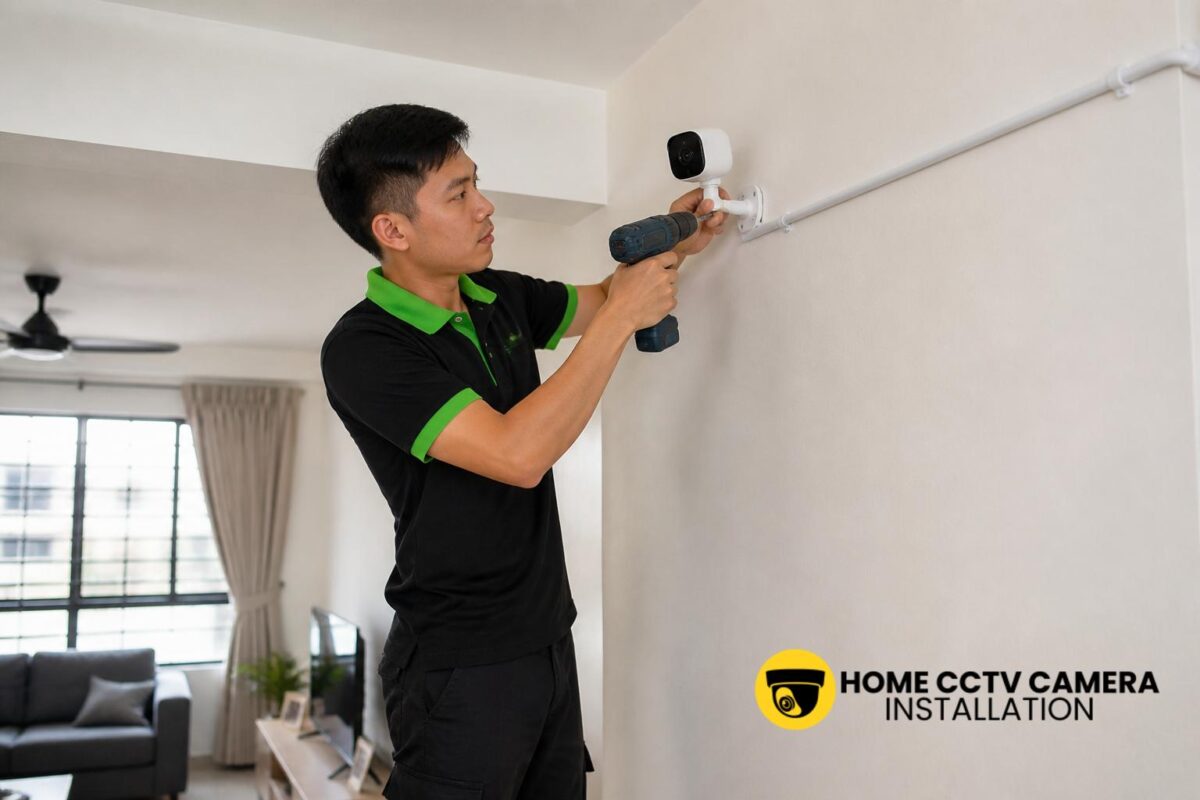

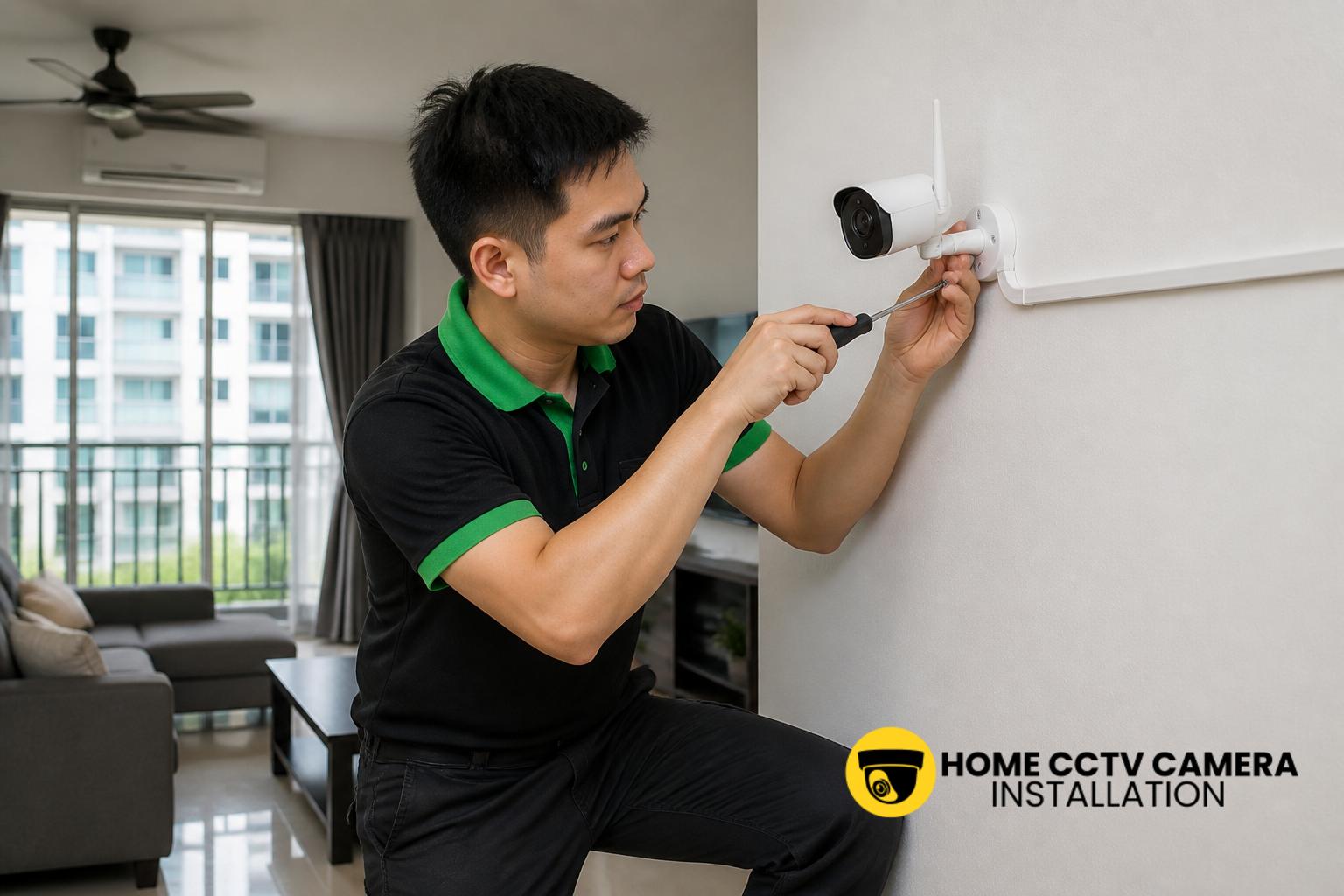
Keeping CCTV camera cables neat in a Singapore home is not only about appearance. It also helps reduce snagging, makes maintenance easier, and supports a more organised installation overall. In HDB flats, condominiums and landed homes, cable routing needs to work around plaster walls, corridors, ceilings, door frames and existing fittings without creating unnecessary clutter.
For wired home CCTV systems, neat cabling starts with planning. The cable path, camera location, power source and mounting point should all be considered together before any drilling or routing begins. When this is done properly, the finished installation looks more discreet and is less likely to be disturbed during daily use or cleaning.
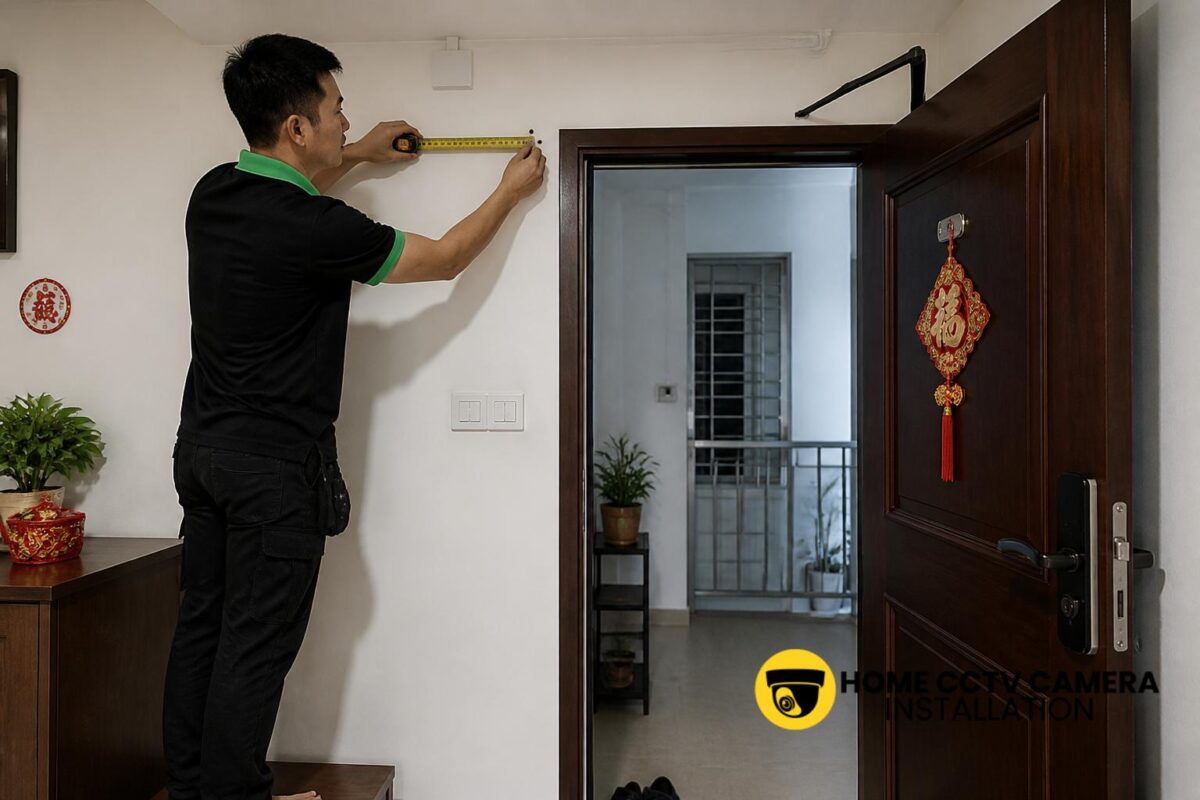
Plan the cable route before any mounting begins
The neatest CCTV cable runs usually come from good planning, not after-the-fact tidying. Before installation, it helps to map where each camera will sit, where the cable will travel, and where it will connect to power or the recording equipment. Shorter, direct routes are generally easier to conceal and less visually intrusive.
In Singapore homes, this is especially important because layouts vary widely. A camera near the main door of an HDB flat may need a different routing approach from one installed under a landed-home porch or along a condominium corridor. Planning early also helps avoid awkward crossovers, exposed loops and cable paths that cut across prominent wall areas.
Use wall corners, ceiling lines and trims to hide cables
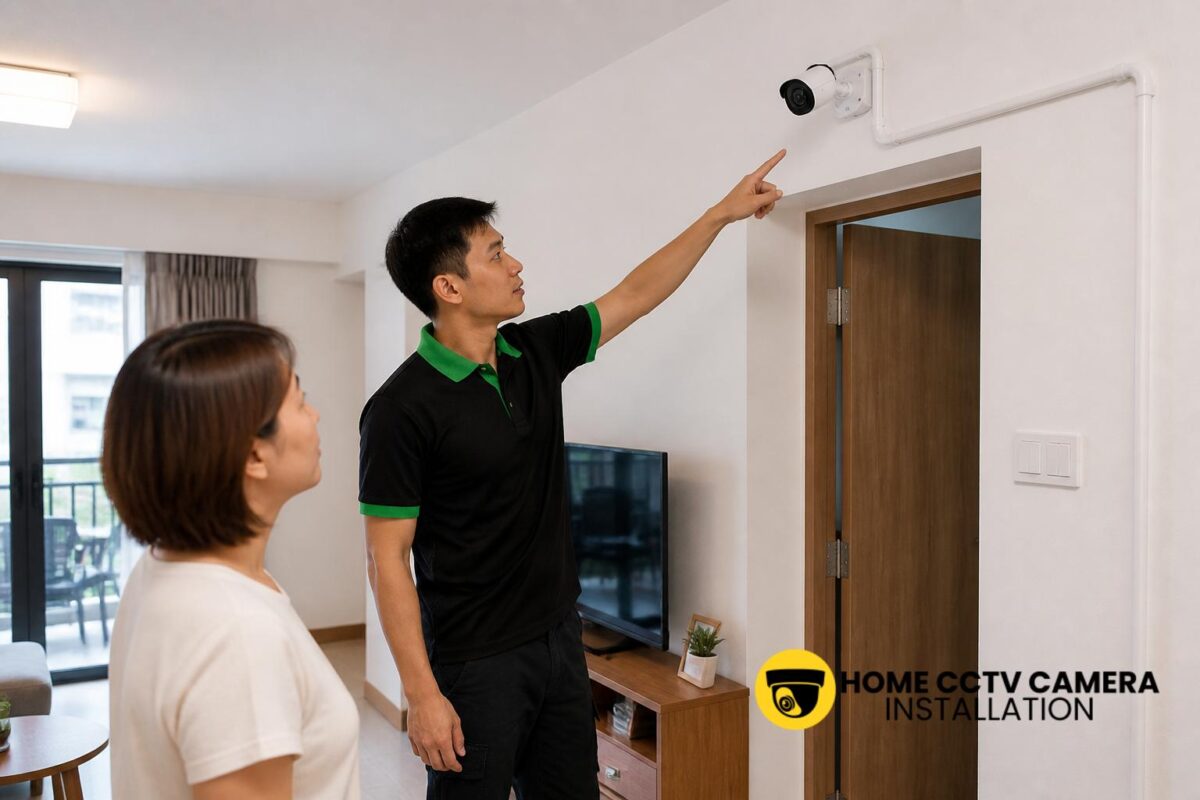
One of the most practical ways to keep CCTV camera cables neat is to follow natural edges in the home. Wall corners, ceiling lines, skirting edges and existing trims can help cables blend into the background instead of standing out across open surfaces.
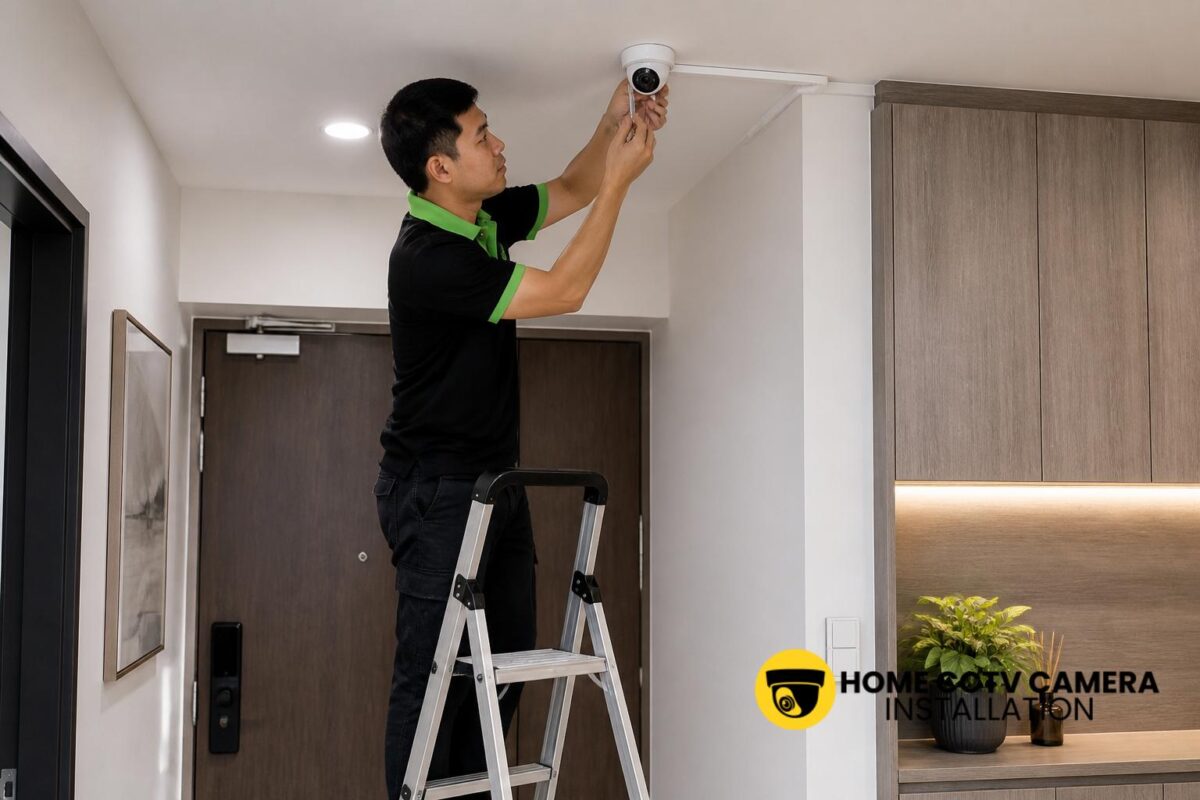
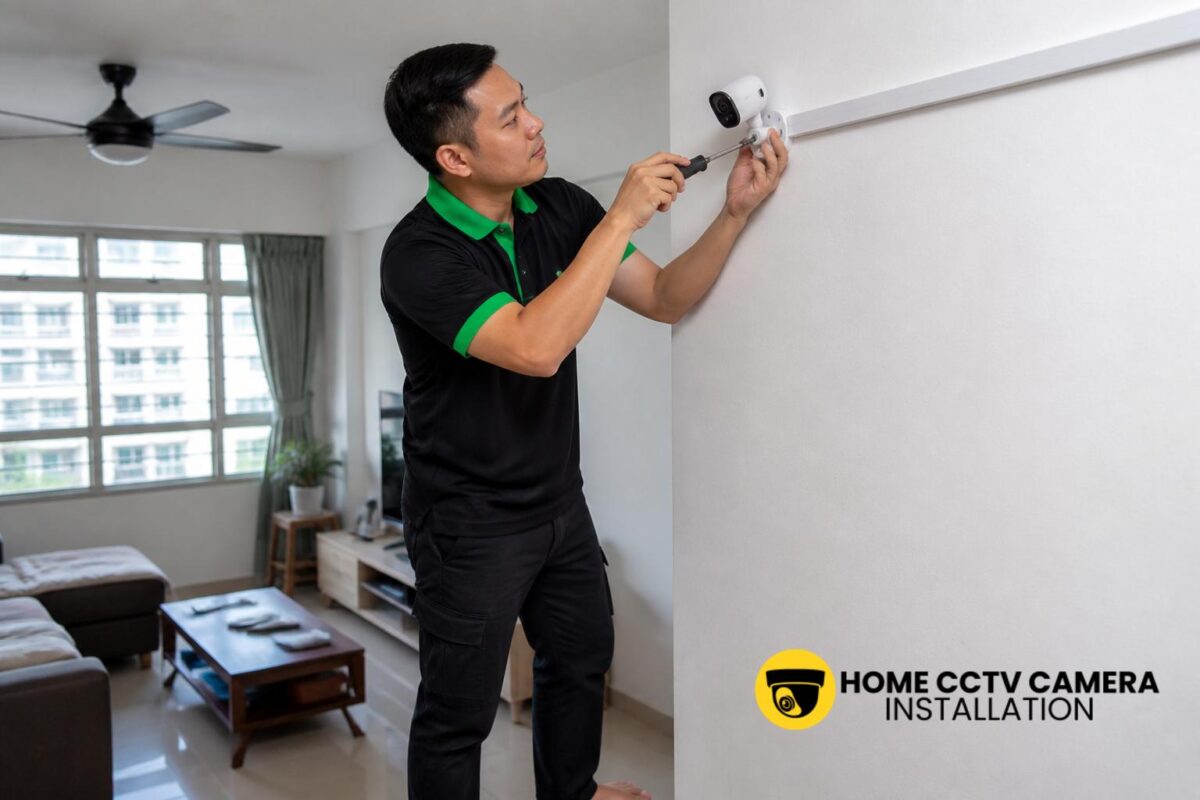
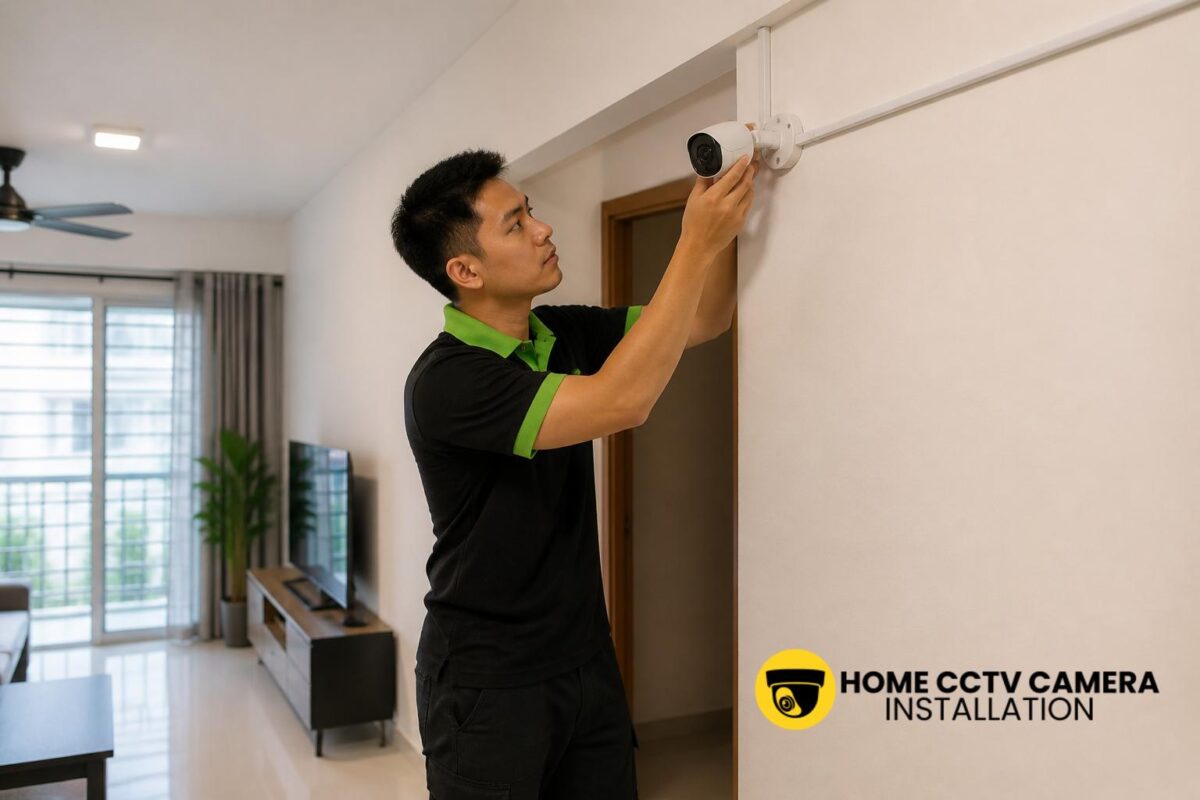
Where possible, cables can be tucked along these edges using suitable clips or surface trunking. This approach is common for residential CCTV installation because it provides a tidy finish without requiring major renovation works. In many homes, matching the cable route to architectural lines makes the installation look far more deliberate and less cluttered.
Choose the right cable management method for the property
Different homes call for different cable management methods. Surface-mounted trunking can be useful when a cable needs to remain visible but protected. Cable clips may suit shorter runs along a discreet edge. In some properties, cables may be routed through ceiling voids, cabinets or service areas to keep them almost out of sight.
For HDB flats and condominiums, the best option often depends on what is already built in and how much drilling is appropriate. For landed homes, there may be more flexibility to route cables through longer outdoor-to-indoor paths. The goal is always the same: keep the installation secure, tidy and practical for long-term use.
- Surface trunking for neat, protected visible runs
- Cable clips for short and discreet wall-edge routing
- Concealed paths where access points and layout allow it
- Service-area routing around cabinets, ceilings or utility zones
Keep cable lengths sensible and avoid unnecessary slack
Excess cable is one of the main reasons a CCTV setup looks untidy. Long loops, bundled slack and loosely coiled sections can make even a well-mounted camera appear unfinished. Keeping cable length sensible from the start makes the final result cleaner and easier to maintain.
That does not mean cutting everything to the shortest possible length. Some allowance is still needed for positioning, future access and safe installation. The aim is to avoid bulky excess while leaving enough flexibility for servicing, camera adjustment and reliable connection.
Separate CCTV cables from other household wiring where possible
In a busy home, cables can easily become mixed together behind furniture, along a wall or near a power point. A neat installation keeps CCTV cables organised so they do not tangle with television leads, internet cables, charging wires or extension cords.
Where practical, CCTV cabling should follow its own route and be labelled or grouped clearly at the connection point. This makes troubleshooting simpler later, especially if the home has multiple cameras or a mix of supply-and-install and installation-only equipment. Clear separation also reduces confusion when furniture is moved or additional devices are added.
Use proper mounting points and discreet cable entry positions
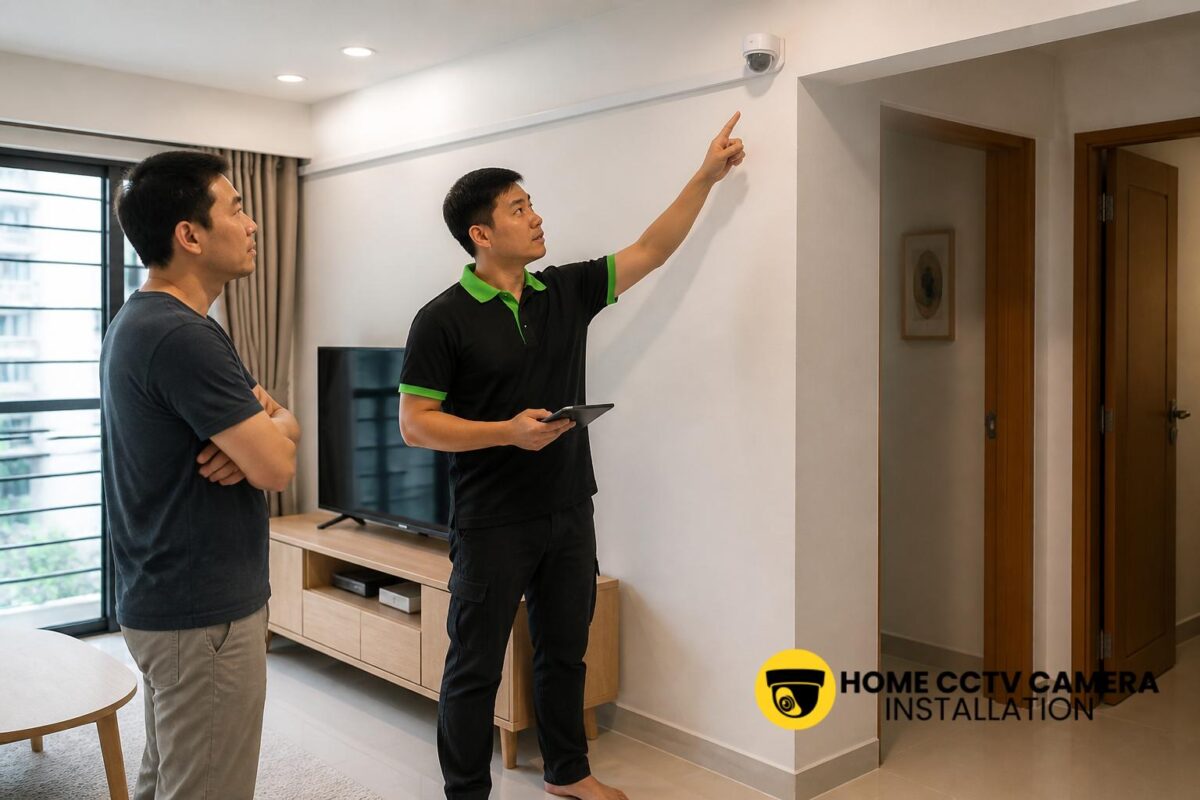
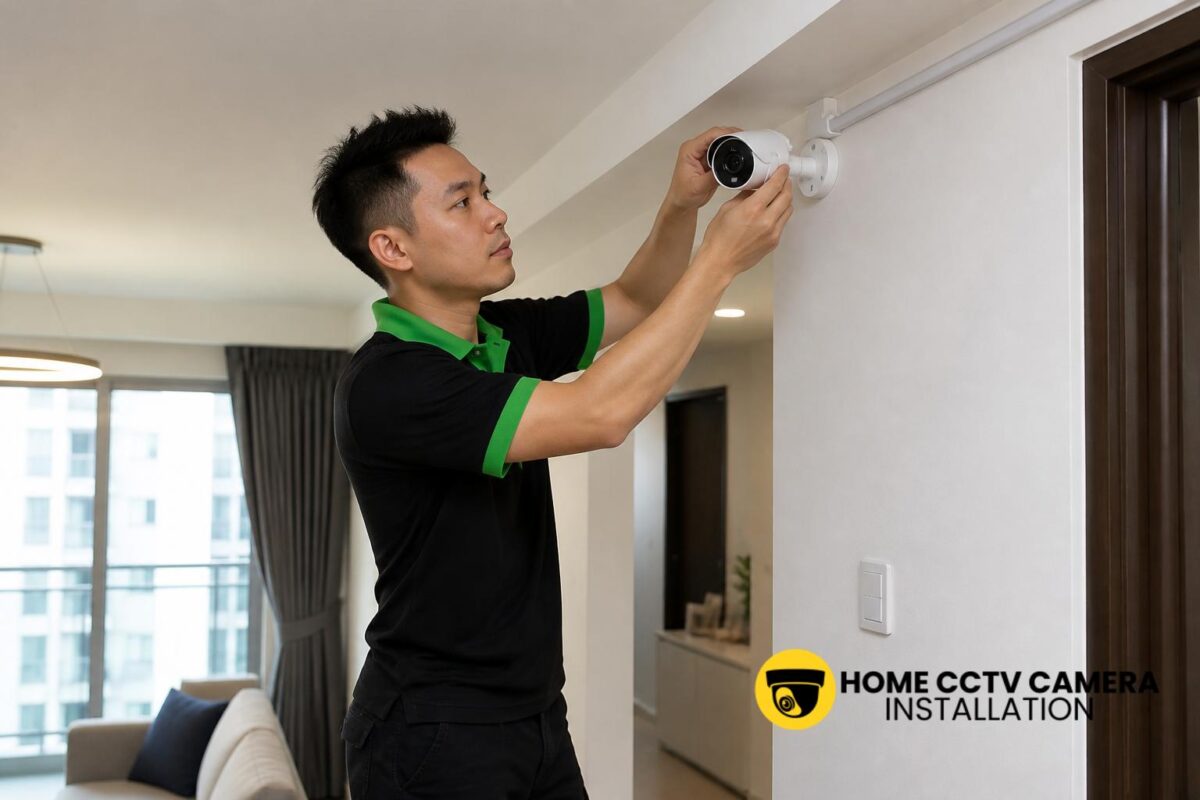
Neat cabling is closely linked to how the camera is mounted. A well-chosen mounting point can reduce visible cable exposure, improve the camera angle and keep the cable entry point less noticeable. This is why camera placement planning matters just as much as the cable route itself.
In Singapore homes, cable entry is often handled through small, carefully positioned openings near the camera base or mount. When done properly, the cable disappears into the wall or ceiling area with minimal visual impact. For outdoor areas such as porches or balconies, secure fixing and weather-aware routing are important so the cabling remains tidy and protected.
Mind the power source and keep it accessible
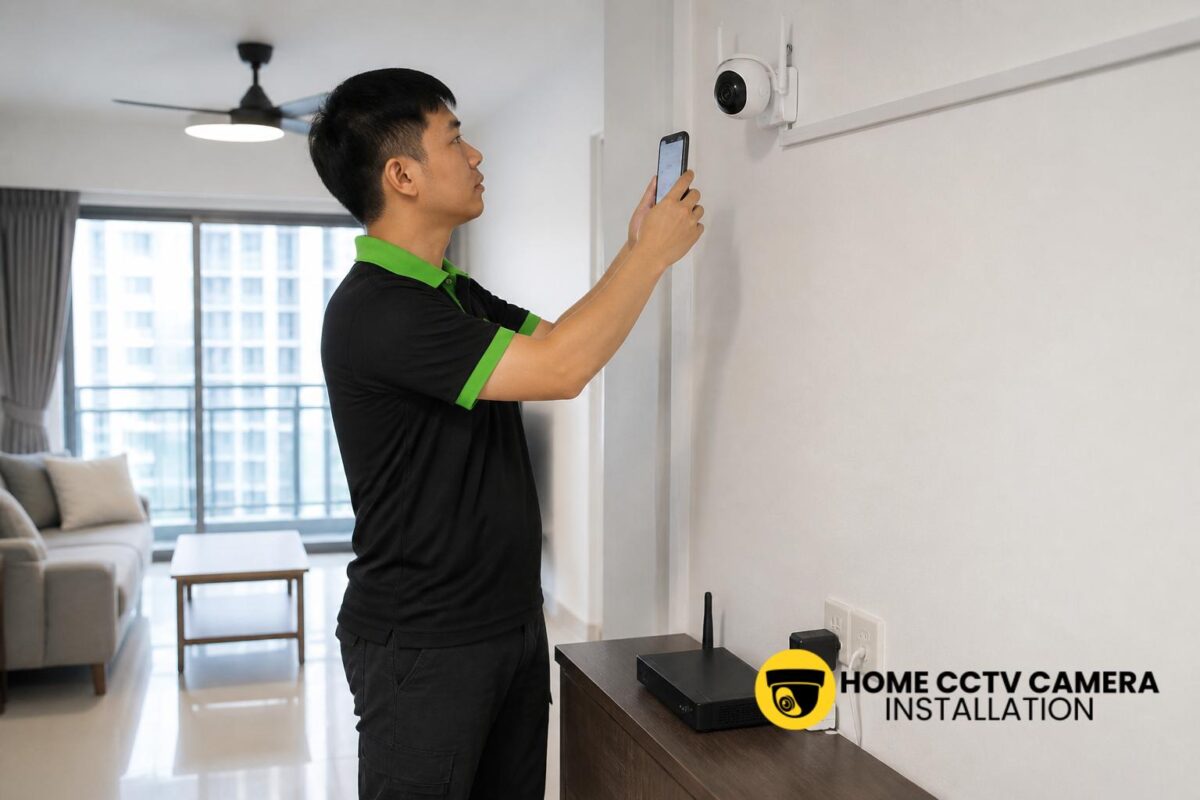
Wired CCTV systems need a practical power arrangement, and that can affect how neat the cable work looks. If a camera is too far from a suitable power point, the cable run may become longer and harder to conceal. Planning for power early can prevent awkward extensions or exposed connectors later.
Where additional power-point support is required, the cable route should still be kept orderly and serviceable. It is usually better to position equipment so that the final connection is accessible for maintenance but not visually dominant. A neat installation balances appearance, safety and future access.
Label, test and tidy connections after installation
Once the cameras are in place, a final tidy-up matters. Connection points should be checked, excess cable should be secured, and each line should be tested to confirm the camera is working as intended. This final step helps ensure that the installation does not only look neat on day one, but remains manageable later.
Labelling can also be useful, especially in homes with more than one camera. If a cable or device needs to be adjusted in future, labelled connections make the process much simpler. A clean finish at the recorder or network point often reflects the overall quality of the installation.
If you would like help planning a tidy home CCTV cable layout, you can WhatsApp Home CCTV Camera Installation Singapore with your property type, camera count, preferred locations, supply-and-install or installation-only requirement, and any cabling or power-point needs for a quotation.
Conclusion
Keeping CCTV camera cables neat in a Singapore home comes down to careful planning, sensible routing and proper finishing. By following wall lines, reducing excess slack, separating cables cleanly and choosing suitable mounting points, homeowners can achieve a more organised result that suits the layout of their HDB flat, condominium or landed property.
A tidy cable installation is not just about looks; it also makes the system easier to live with and maintain over time. When the camera layout, power arrangement and cabling approach are considered together, the result is usually more practical and far less distracting.
Choose Home CCTV Camera Installation Singapore
Home CCTV Camera Installation Singapore provides professional CCTV installation Singapore services for residential properties, supporting homeowners with reliable home CCTV and CCTV system Singapore solutions. Our services cover both home CCTV installation and installation only support for homeowners who already own a CCTV camera, IP camera, or security camera setup.
We work with various CCTV systems, including IP cameras, IP security cameras, surveillance cameras, and other configurations. Our installation services include camera mounting, basic cabling, and power point installation where required to ensure each CCTV camera is installed safely and positioned for effective coverage. From layout planning to final setup, we focus on practical CCTV installation that suits everyday home environments.
Serving households islandwide, Home CCTV Camera Installation Singapore delivers trusted solutions with a strong emphasis on workmanship, system reliability, and long-term usability. WhatsApp +65 8241 0032 for enquiries on our home CCTV installation services.
Frequently Asked Questions
Can CCTV cables be concealed completely in a Singapore home?
In some homes, part of the cable can be concealed through ceilings, service areas or existing voids, but complete concealment depends on the property layout and installation access. Many residential installations use a combination of concealed and neatly surface-routed sections.
Is surface trunking a neat option for home CCTV cables?
Yes. Surface trunking is often one of the neatest practical options when full concealment is not possible. It protects the cable and keeps the run straight and tidy along walls or ceilings.
What makes CCTV cabling look untidy?
Common causes include excessive slack, loose loops, mixed-up wiring, poor planning and cables routed across open wall areas. A neat installation usually avoids these issues by using short, logical routes and proper fixing points.