
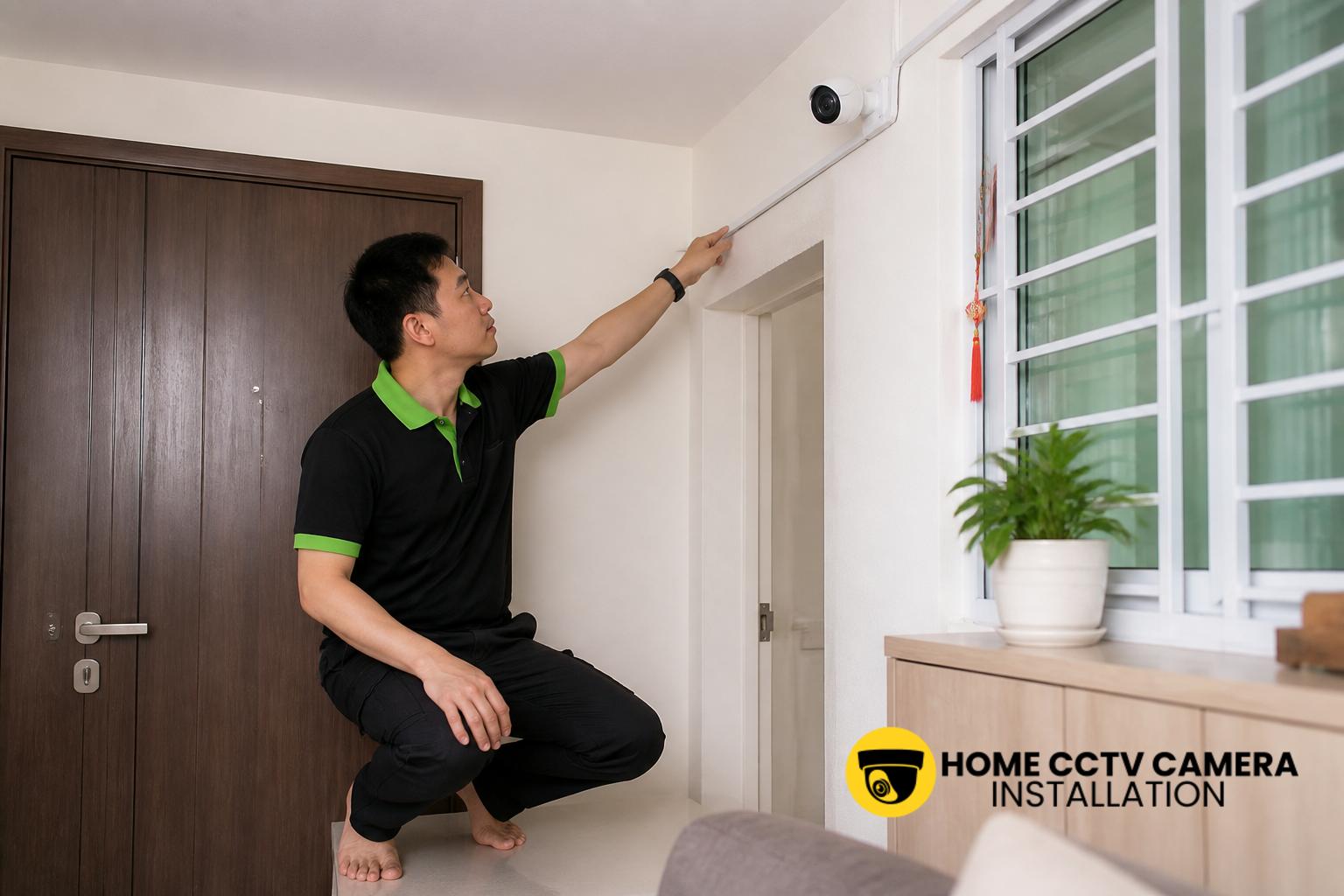
Wi-Fi CCTV cameras are often described as a simpler option for home security, but many Singapore homeowners are still surprised to learn that “wireless” does not always mean “no cables at all”. In most cases, a Wi-Fi CCTV camera still needs a reliable power source, even if it connects to your network without a dedicated data cable. Understanding this difference helps you plan camera placement properly, avoid messy last-minute wiring, and choose the right installation approach for your HDB flat, condominium or landed home.
What Wi-Fi really means for a CCTV camera
A Wi-Fi CCTV camera uses wireless networking to send video footage over your home internet connection. That means it does not usually need an Ethernet cable for data, which makes installation more flexible than a fully wired network camera. However, the camera still has to be powered somehow, and that is where power points, adapters or battery systems come in.
In practical terms, Wi-Fi refers to the connection method, not the power method. A camera can be wireless for signal transmission while still requiring a mains power supply. For many homeowners, this is the key point that is misunderstood when comparing camera types.
Why most Wi-Fi CCTV cameras still need power points
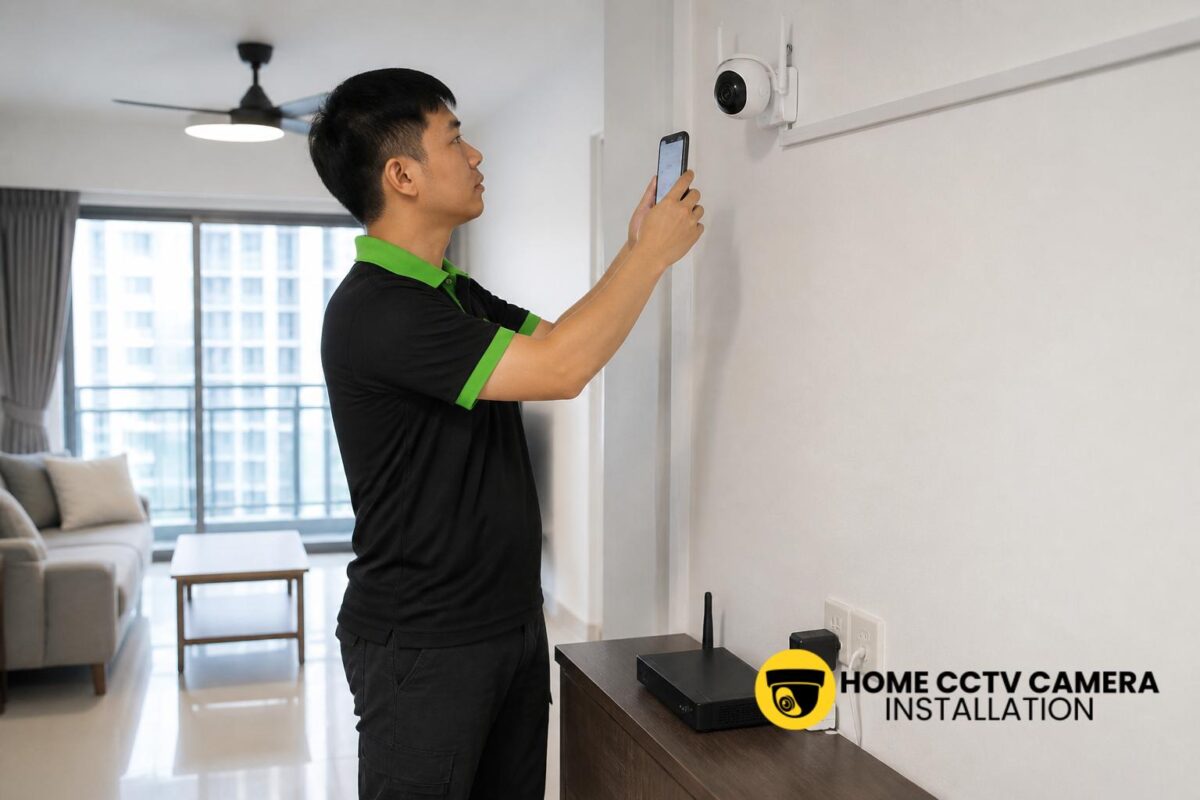
The majority of home Wi-Fi CCTV cameras run on continuous electrical power. They are fitted with a plug-in adapter and must remain connected for the camera to work all day and night. Without power, the camera cannot record, stream, or send alerts in real time.
Some models can be powered by rechargeable batteries or solar accessories, but these are usually designed for specific use cases and not every part of a home. Battery-powered cameras may be suitable for temporary or low-traffic areas, yet many Singapore homeowners still prefer plug-in models because they are more consistent for regular monitoring.
For this reason, if you are planning Wi-Fi CCTV installation in Singapore, it is wise to check whether the chosen camera needs:
- a nearby power point
- an extension route for the adapter
- a hidden cable path for a neater finish
- or a battery-based setup with periodic recharging
When a power point is essential and when it may not be
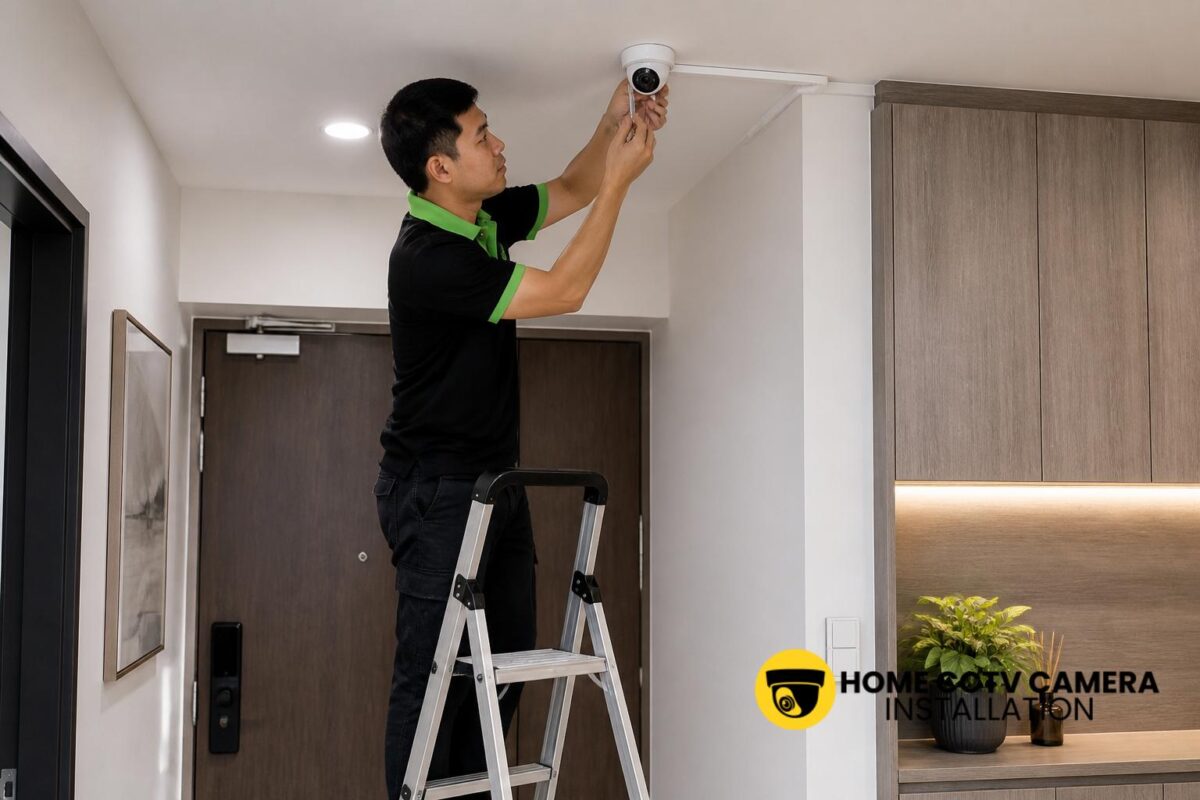
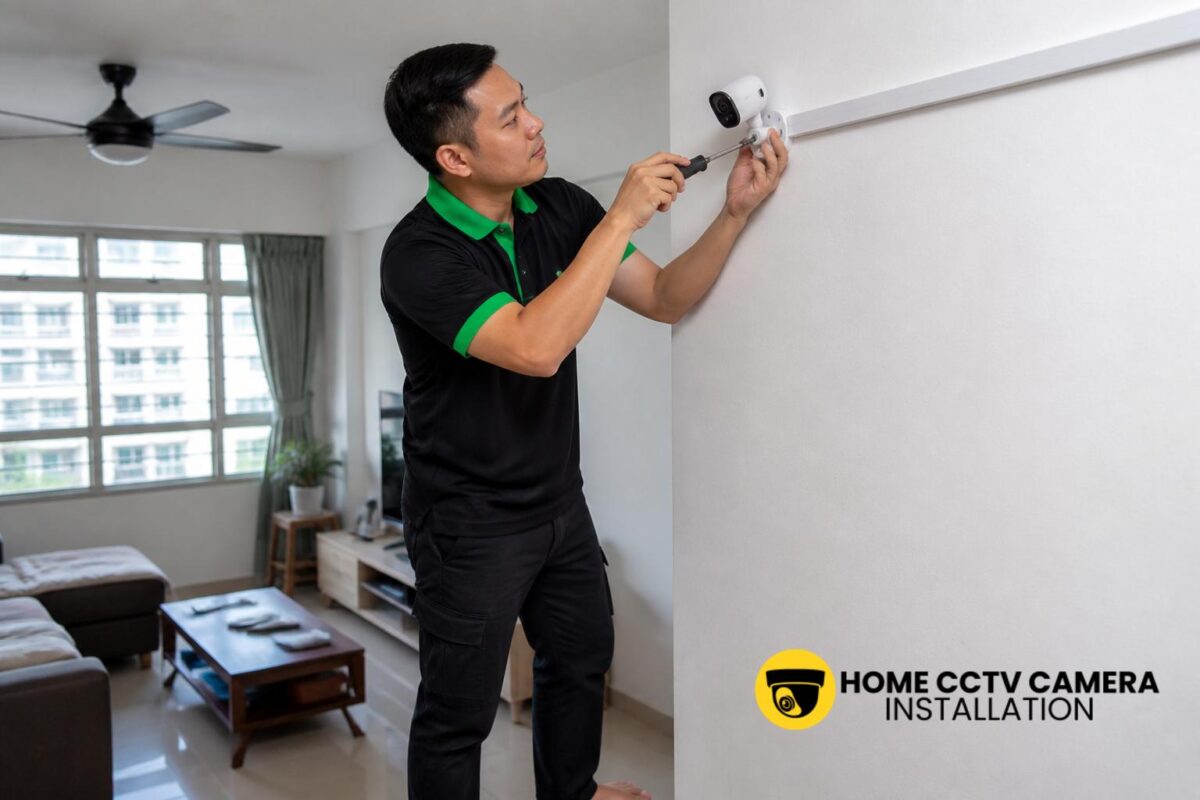
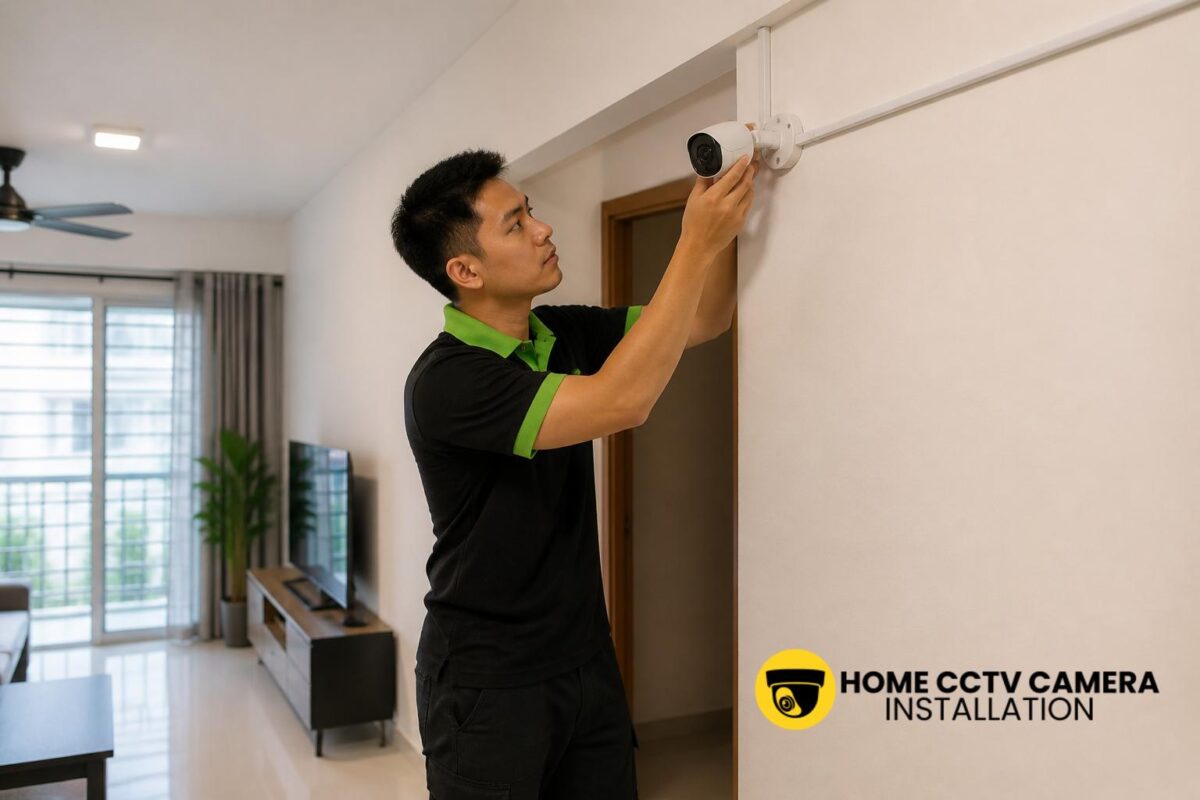
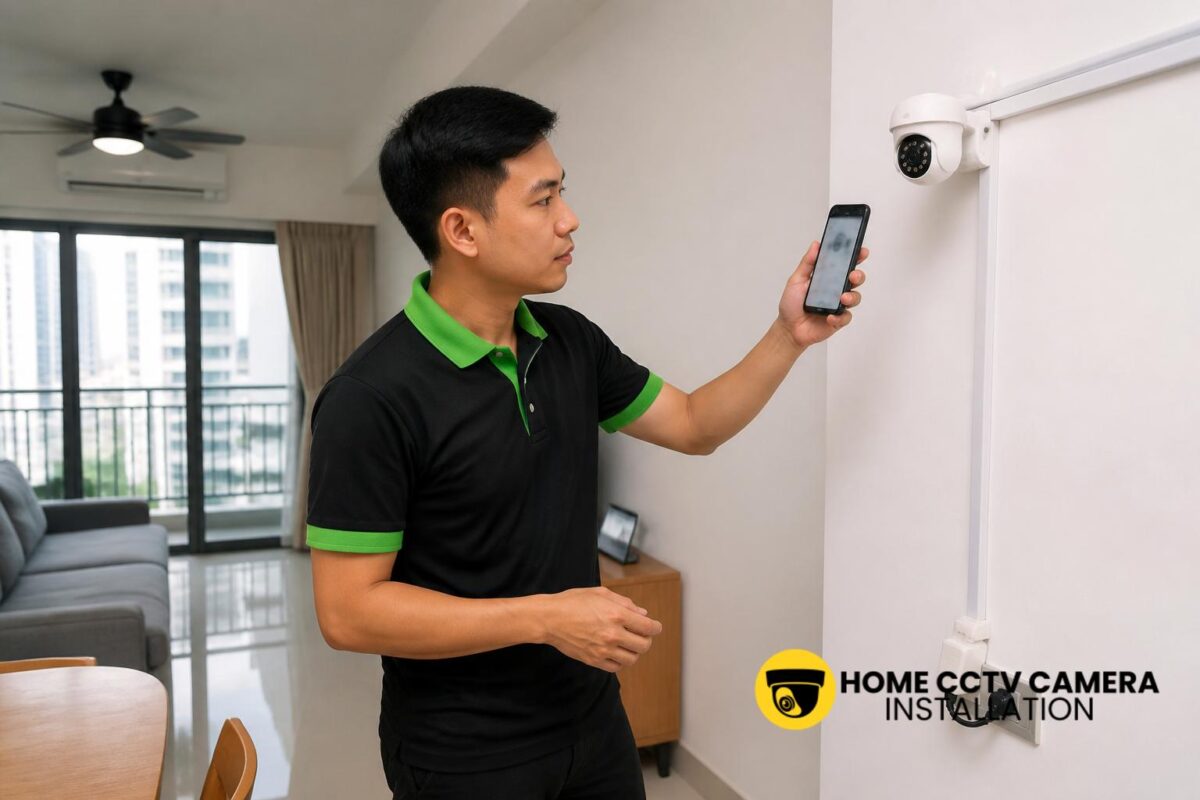
In many homes, a power point is essential because the camera is meant to operate continuously. This is common for cameras covering entrances, living areas, service yards, driveways or shared access points. If the camera is mounted high on a wall or ceiling, the installer will usually need to think carefully about how to bring power to that location in a neat and safe way.
A power point may be less important if you are using a battery-operated Wi-Fi camera, but that comes with trade-offs. Battery units need charging, may have different motion-recording behaviour, and are not always ideal for areas where you want uninterrupted monitoring. So while some homes can avoid a visible power point at the camera location, the system still depends on electrical power one way or another.
How home layout in Singapore affects installation
Singapore homes vary widely, and that affects how easy it is to power a Wi-Fi CCTV camera. In an HDB flat, the camera may be installed near the main door, corridor-facing area or living room, where access to an existing socket is often possible. In condominiums, installation may need to work around built-in cabinetry, wall finishes or management rules. In landed homes, external walls, gates and perimeter areas may require longer cable runs and more careful weather-safe routing.
The most practical installation is not always the one with the camera furthest from a socket. A good plan considers both coverage and power access, so the camera captures the intended area without leaving awkward wires exposed. This is especially important if the camera is positioned near ceilings, along entrance walls or in locations where drilling and cable concealment need to be done neatly.
Common ways installers handle power for Wi-Fi CCTV
For residential CCTV installation, there are several common approaches to powering a Wi-Fi camera. The best option depends on the camera model, the room layout and the homeowner’s preference for appearance and accessibility.
Typical methods include:
- Using an existing nearby power point – the simplest option when the socket is already close to the proposed camera location.
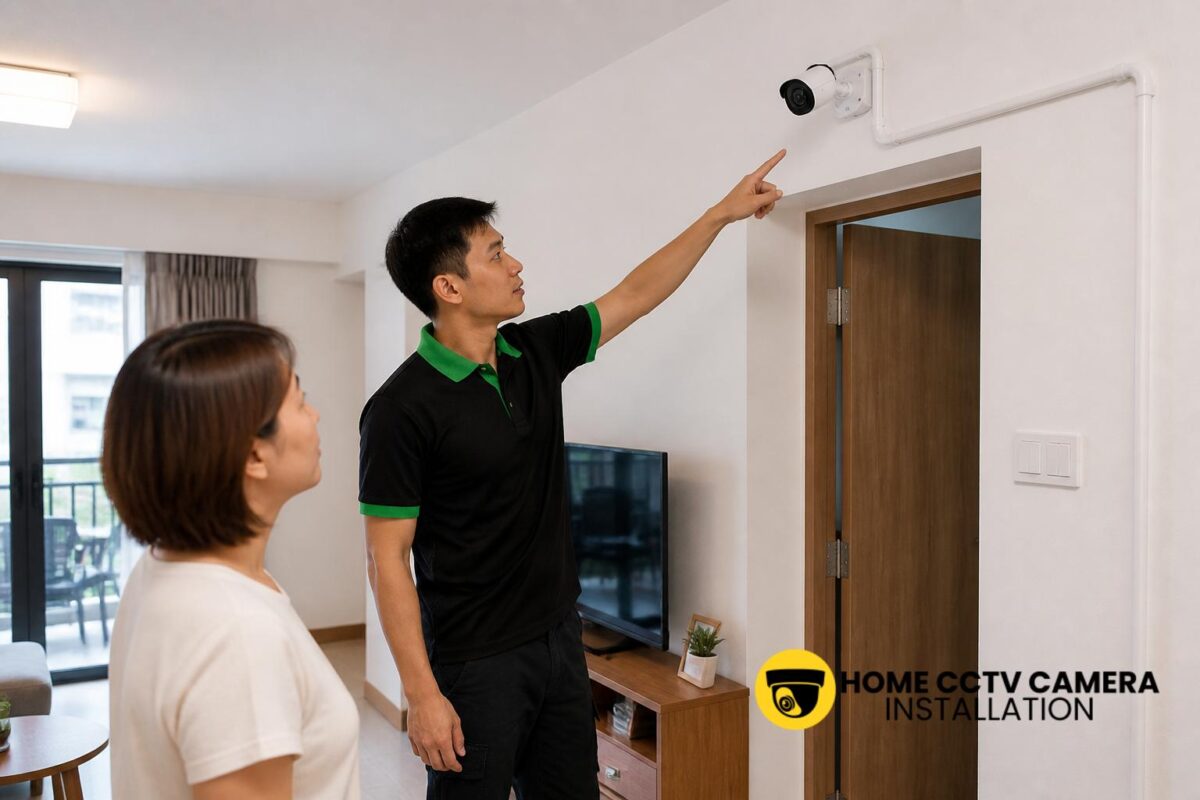
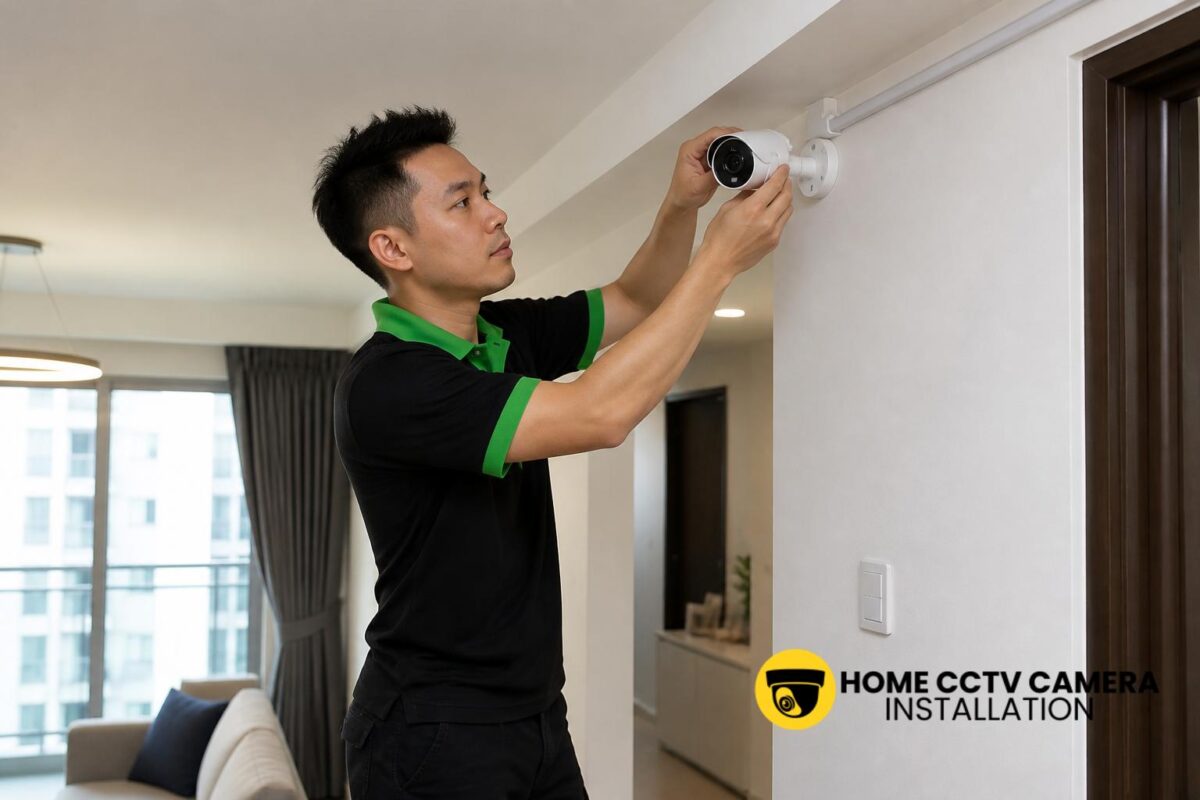
- Adding a discreet cable route – useful when the camera needs to be mounted higher up but power is available nearby with neat trunking or concealed routing.
- Installing a new power point – suitable when a better camera position has no practical socket nearby.
- Using battery-powered models – an option for limited-use areas where periodic charging is acceptable.
For many homeowners, the neatness of the finish matters just as much as the camera’s features. That is why cable routing, mounting position and power access are usually assessed together rather than separately.
Choosing between wireless convenience and wired reliability
Wi-Fi CCTV cameras are popular because they can be easier to install than fully wired systems, but they are not always the best choice for every room or every home. A wired camera may be more suitable where you want a fixed, stable setup with uninterrupted power and less dependence on Wi-Fi strength. A Wi-Fi camera may be better where you want a simpler route for installation or where pulling data cables would be impractical.
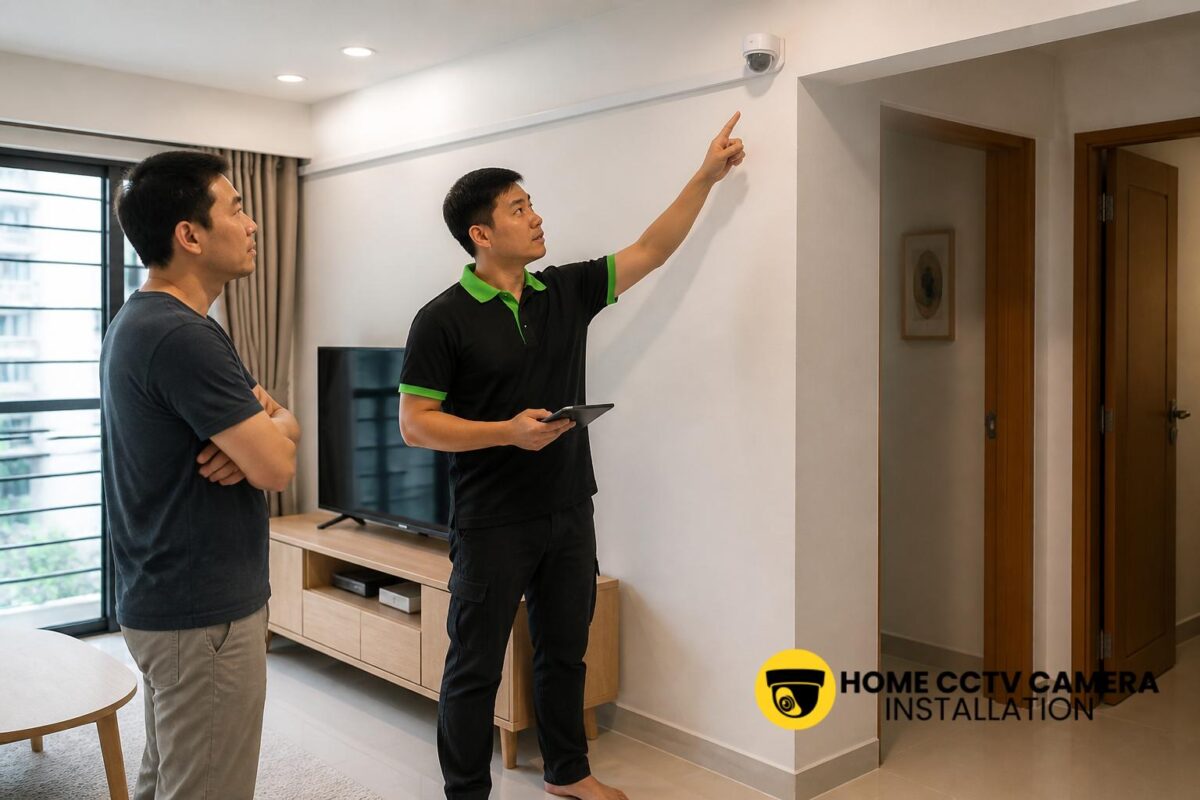
In reality, many Singapore homeowners choose a mixed approach. Some cameras may be Wi-Fi based, while others are wired, depending on the viewing angle, distance from the router, and how accessible the power points are. This is why a site assessment or placement discussion can be useful before drilling any holes.
Things to check before installation day
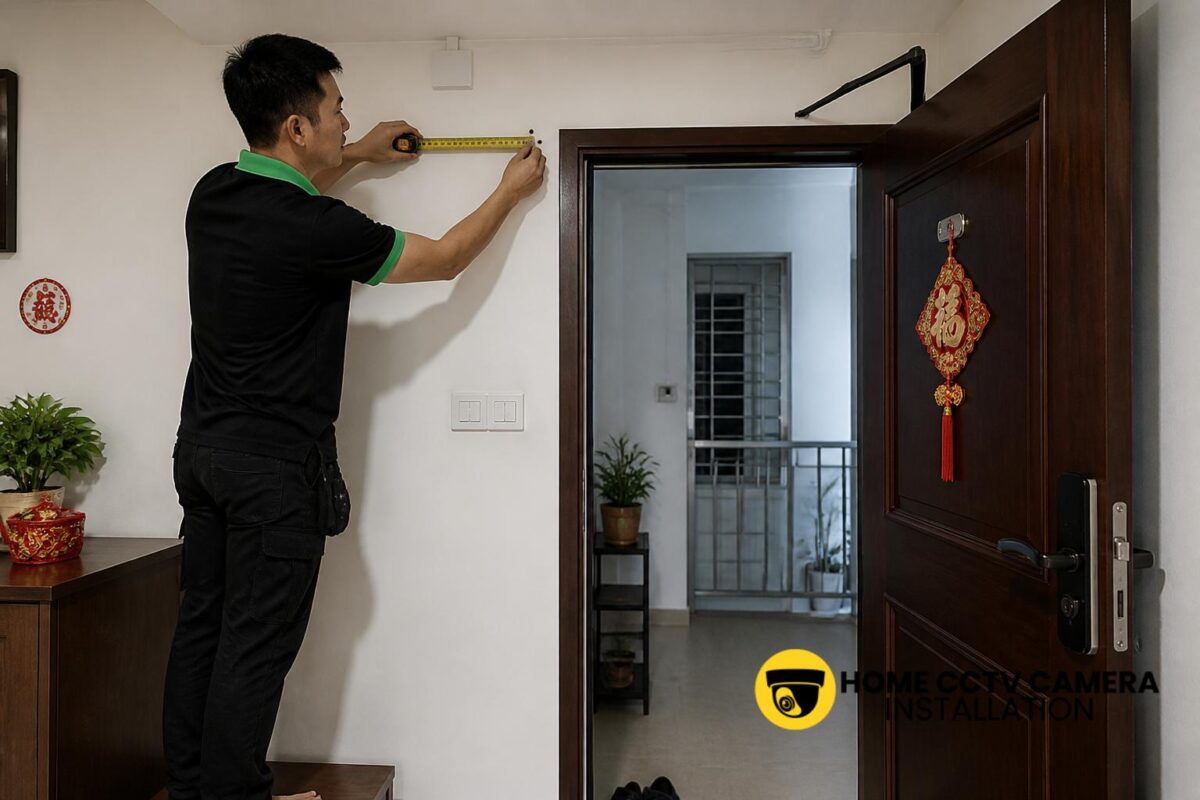
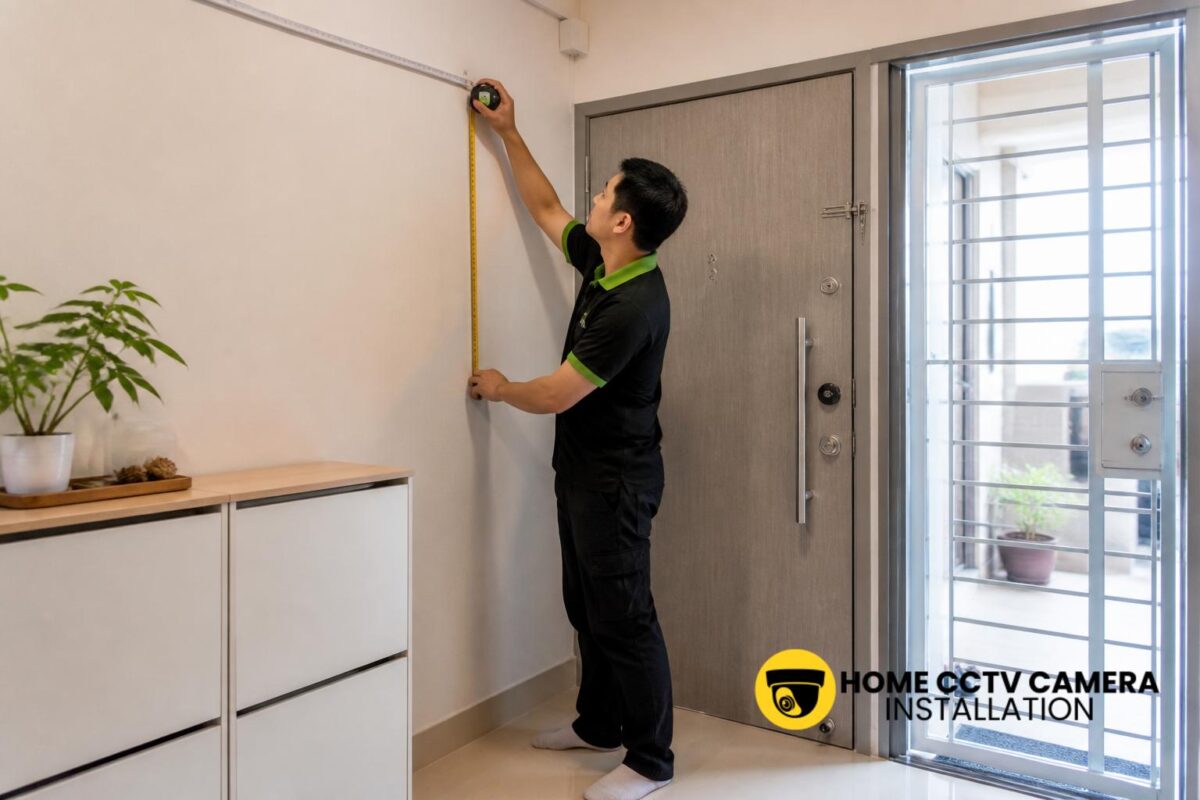
Before mounting a Wi-Fi CCTV camera, it helps to confirm a few practical details. This reduces the chance of awkward cable placement or an installation that does not support the camera properly.
Useful checks include:
- where the camera needs to look, and whether the angle is realistic from the nearest wall or ceiling point
- whether a socket is already available near the chosen location
- if the camera is supplied by you or needs to be included in the installation scope
- whether the installation is for a single unit or multiple cameras
- whether any cabling or power-point support is required for a tidy finish
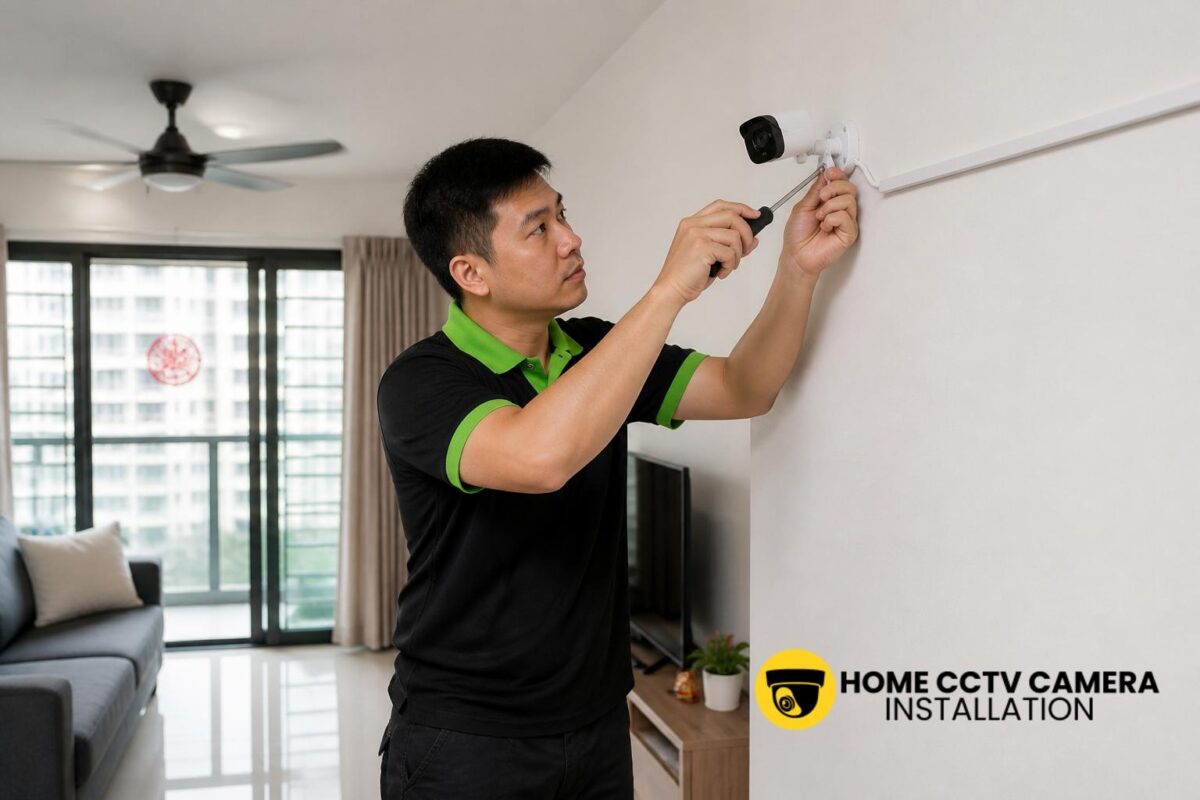
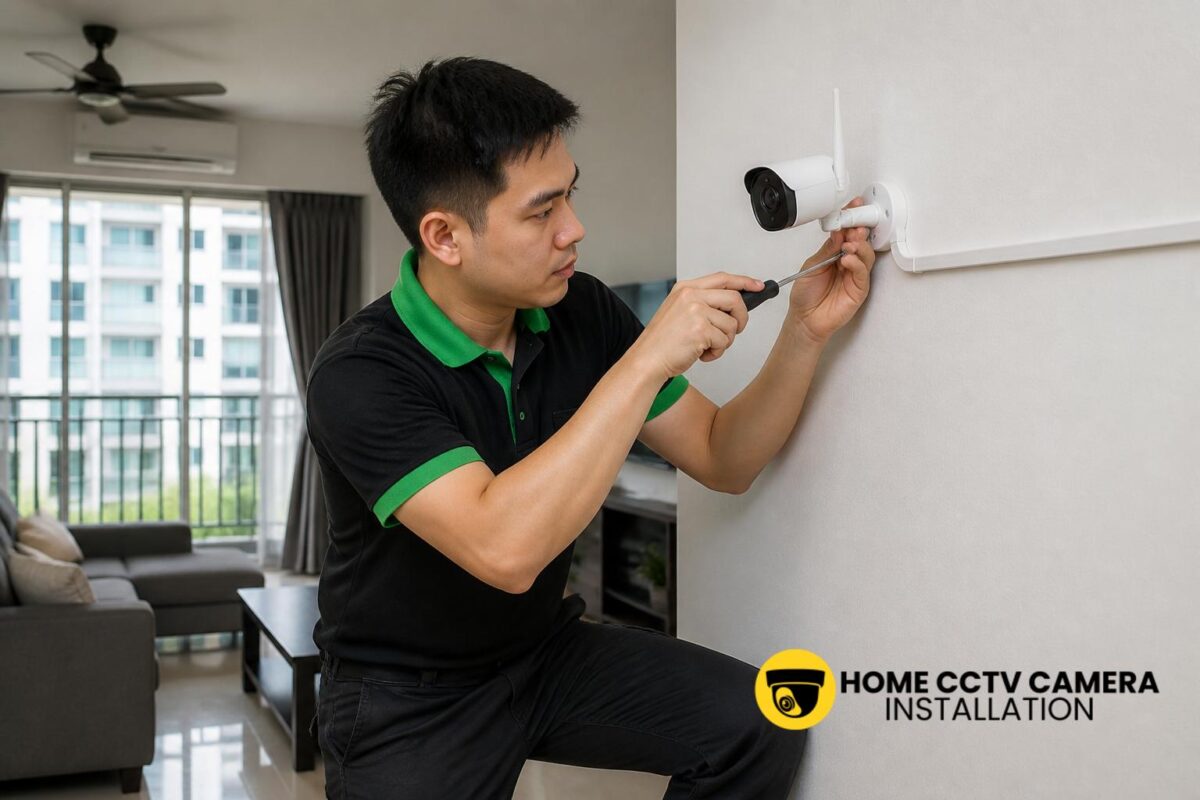
These details matter because a “wireless” camera can still need structural planning. The camera may be easy to connect to Wi-Fi, but the physical mounting and power arrangement still need to be done properly.
If you are planning a home CCTV upgrade and want to confirm whether your chosen Wi-Fi camera will need a power point, you can WhatsApp Home CCTV Camera Installation Singapore to discuss your property type, camera quantity, installation-only or supply-and-install scope, target locations, existing equipment, cabling or power-point needs and preferred schedule: message us here.
Conclusion
In Singapore homes, Wi-Fi CCTV cameras still usually need power points unless they are specifically battery-powered or designed with another power solution. The Wi-Fi connection removes the need for a data cable, but it does not remove the need for electricity. For that reason, the best home CCTV setup is one that considers both signal and power from the start, especially when you want a neat installation in an HDB flat, condominium or landed property.
Choose Home CCTV Camera Installation Singapore
Home CCTV Camera Installation Singapore helps homeowners enhance security through professionally installed home CCTV systems across Singapore. Whether you require full supply and installation or home CCTV installation support for your home, our team ensures a clean and reliable setup.
We install a wide range of CCTV cameras, including IIP cameras, IP security cameras, surveillance cameras, and other configurations designed for residential use. Our CCTV installation services cover proper camera mounting, neat cabling, and power point installation where necessary, ensuring your home CCTV operates smoothly with clear and consistent coverage.
Home CCTV Camera Installation Singapore provides reliable Home CCTV installation services for HDB flats, condominiums, and landed homes. With a focus on quality installation and practical system planning, we help homeowners secure their living spaces with confidence. WhatsApp +65 8241 0032 to arrange your home CCTV installation today.
Frequently Asked Questions
Can a Wi-Fi CCTV camera work without any cables at all?
Only some battery-powered models can operate without a visible cable during everyday use. Most Wi-Fi CCTV cameras still need a power cable or adapter because they rely on continuous electricity to function.
Do Wi-Fi CCTV cameras need an internet connection as well as power?
Yes, if you want remote viewing, notifications or cloud features, the camera usually needs internet access. The camera may still record locally in some cases, but internet connectivity is important for many smart functions.
Is it better to choose a Wi-Fi camera or a wired camera for a home in Singapore?
It depends on the layout, camera position and how much cable work you want to avoid. Wi-Fi cameras can be easier to place in some areas, while wired cameras may be preferable where you want a more permanent and stable setup. The right choice often comes down to power access, mounting location and how tidy you want the installation to be.