
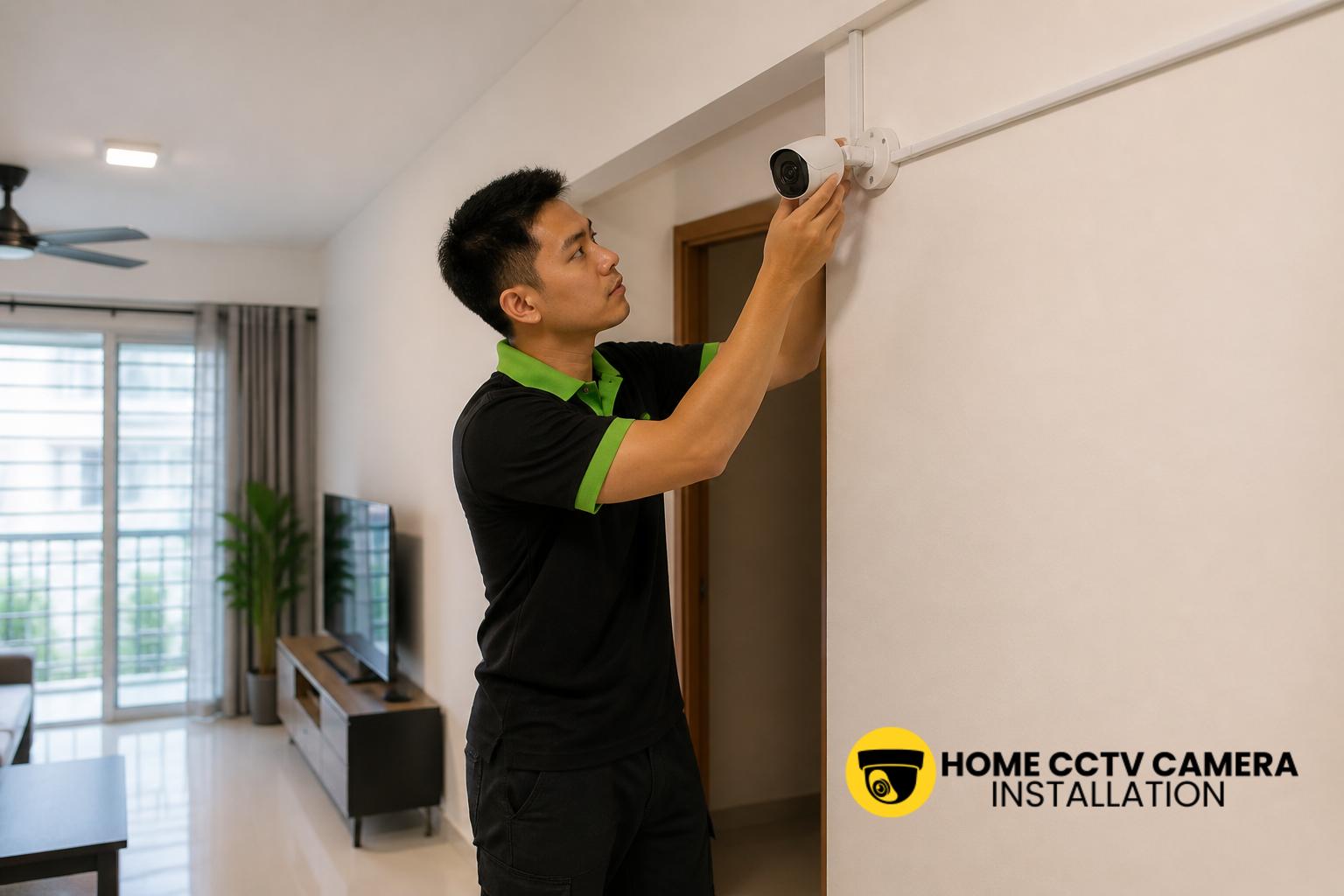
When setting up CCTV at home in Singapore, one of the first choices homeowners face is how footage should be stored. The two most common options are memory card storage and cloud storage, and each works differently in terms of convenience, access and ongoing cost. The right choice often depends on the layout of your home, how many cameras you plan to install, and whether you want simple local recording or off-site access to clips when you are away.
How memory card storage works for home CCTV
Memory card storage usually means the camera records directly onto a microSD card inserted into the device. This is a straightforward option because the footage stays with the camera itself, and there is no need for a separate recorder or monthly subscription. For many Singapore homeowners, especially those starting with one or two cameras, this can be a practical and budget-friendly way to store footage.
However, the storage space is limited by the card size and the camera’s recording settings. Once the card is full, it typically overwrites older footage automatically. That makes it suitable for routine monitoring, but not ideal if you want long retention periods or easier access to older clips.
How cloud storage works for CCTV
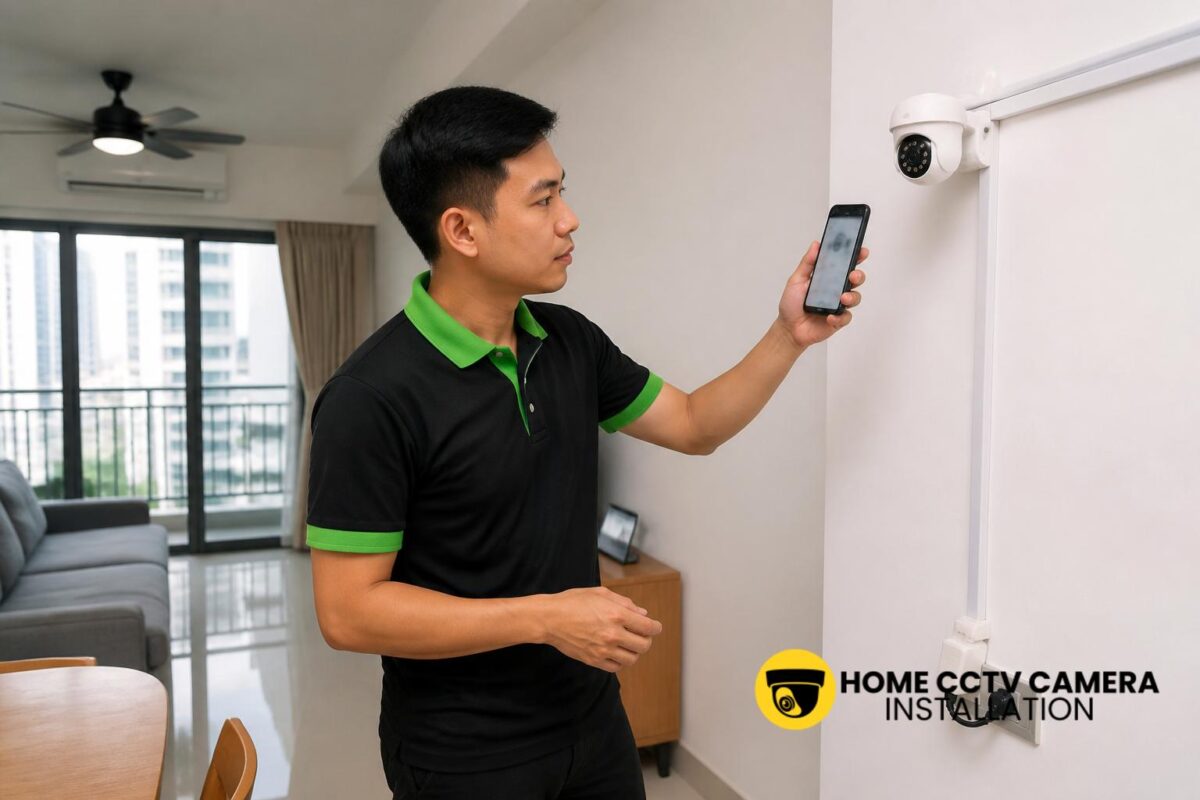
Cloud storage uploads footage over the internet to a remote server managed by the CCTV brand or service provider. This gives homeowners the convenience of viewing recordings from a phone or browser, even if the camera or recorder is damaged or removed. For families who travel often, or who want easier access to events when they are not at home, cloud storage can feel more reassuring from a day-to-day usability point of view.
The trade-off is usually cost and reliance on internet connectivity. Cloud plans often come with monthly or annual fees, and the upload speed available at your home may affect how smoothly footage is saved. In Singapore homes, this is worth considering carefully, particularly if you intend to use multiple high-resolution cameras.
Which option suits different Singapore homes?
For smaller homes, such as a typical HDB flat or a compact condominium unit, memory card storage can be sufficient if your main aim is to keep a basic record of activity at entrances, living areas or utility spaces. It is also useful when you prefer a simple installation with fewer ongoing expenses.
Cloud storage may suit larger households or homeowners who want easier remote access and do not mind paying for convenience. In landed homes, where there may be more camera points around the perimeter, cloud storage can be attractive for viewing footage away from home, but the total cost may rise quickly if several cameras need separate plans.
A common approach is to decide based on use rather than on the technology alone. If you want a low-maintenance setup, local recording may be enough. If you want easier sharing, remote review and off-site storage, cloud may be the better fit.
Cost, subscriptions and long-term value
Cost is often the main reason homeowners choose memory card storage. After the initial camera purchase and installation, there may be no additional monthly fee, aside from replacing a card if it wears out or becomes corrupted over time. This can keep the total ownership cost lower, especially for families installing only a few cameras.
Cloud storage usually involves an ongoing subscription. While the fee may seem modest at first, it should be considered as part of the long-term cost of the system. Over several years, the cumulative amount can exceed the cost of a simple local storage setup. For homeowners comparing CCTV options in Singapore, it is sensible to factor in the full duration of use, not just the upfront price.
Reliability, access and everyday convenience
Memory card storage is independent of the internet, which means it can continue recording even if the broadband connection is unstable. That can be useful in homes where Wi-Fi is uneven in certain areas, or where the camera is installed at a location that is not ideal for wireless streaming. The downside is that footage must usually be accessed through the camera app or by removing the card, depending on the model.
Cloud storage is generally easier for quick review because the footage is accessible remotely and is not tied to a single device. If a camera is tampered with or removed, cloud-based clips may still remain available. That said, cloud systems depend on stable internet and a functioning subscription, so homeowners should view them as a convenience feature rather than an absolute safeguard.
What matters during CCTV installation
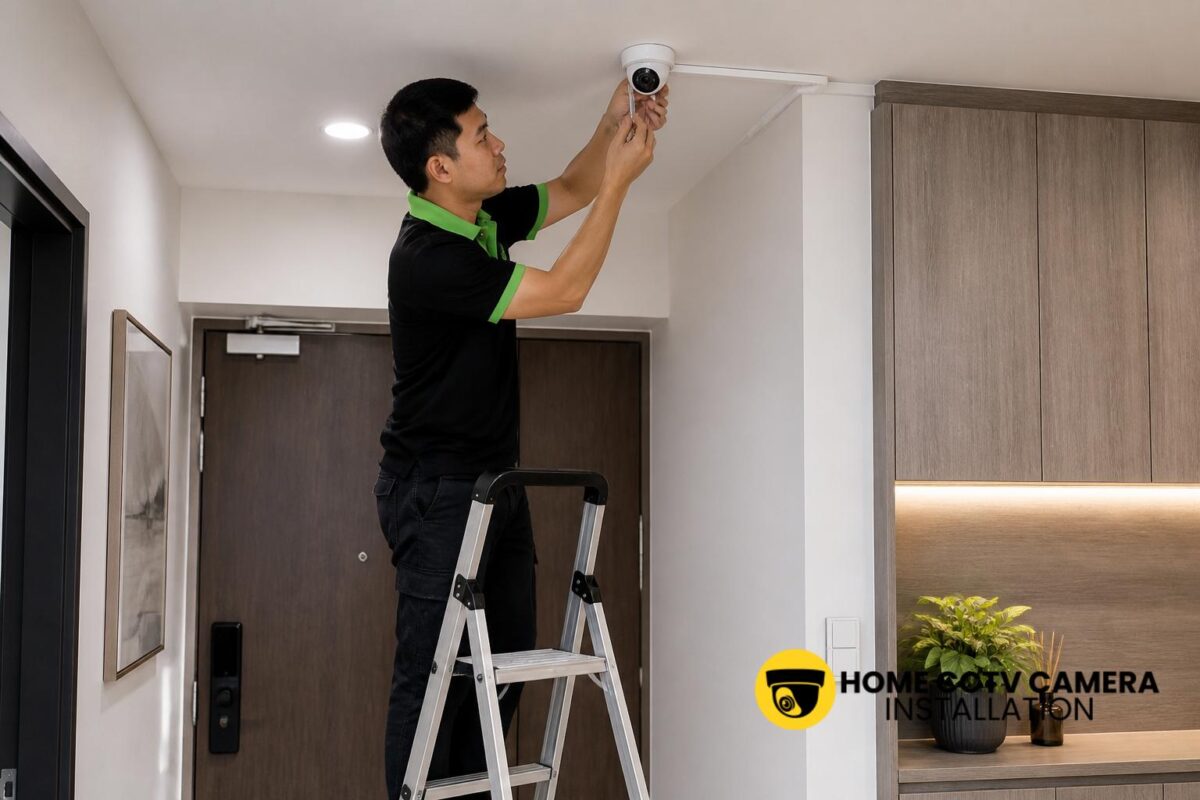
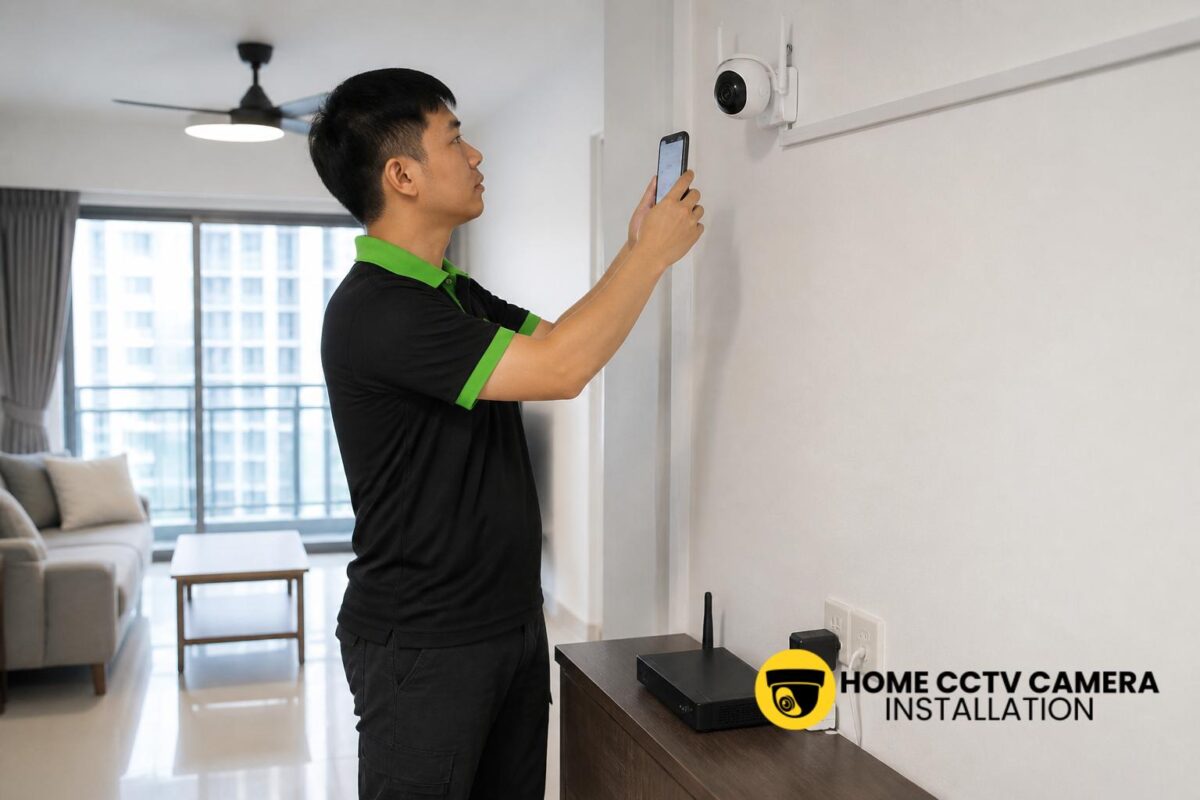
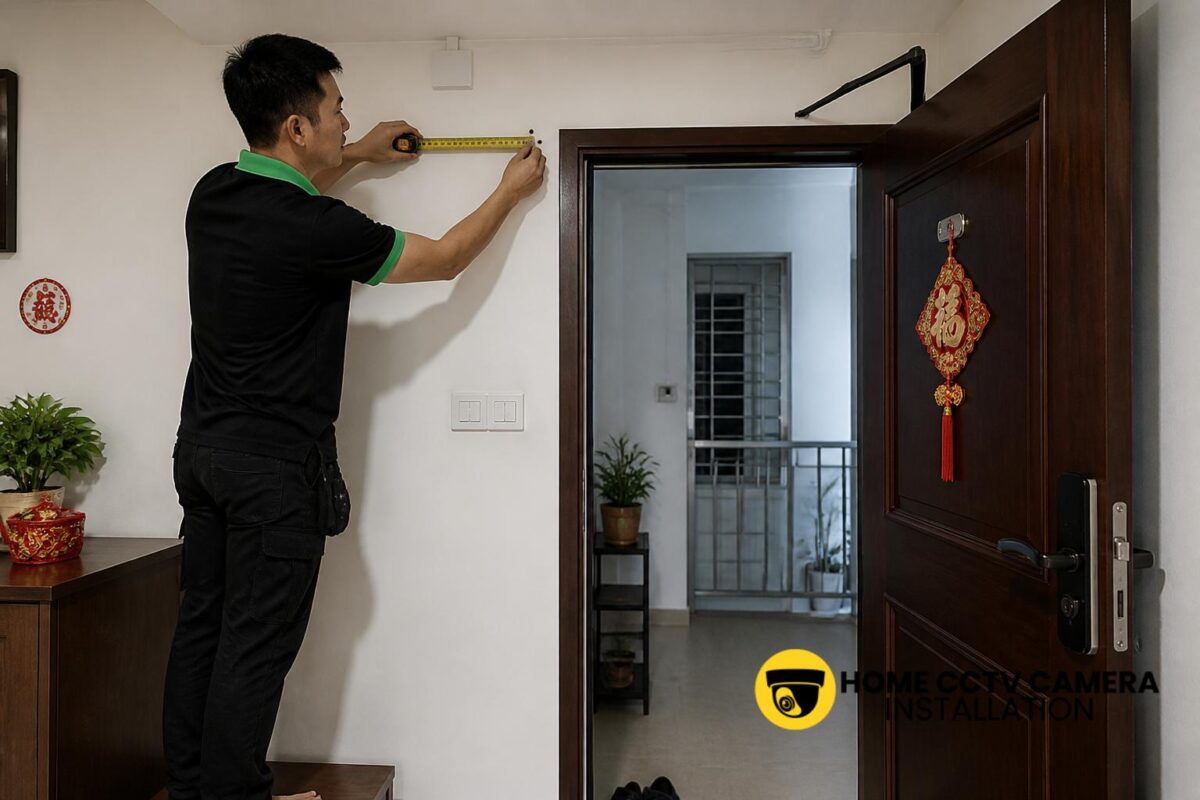
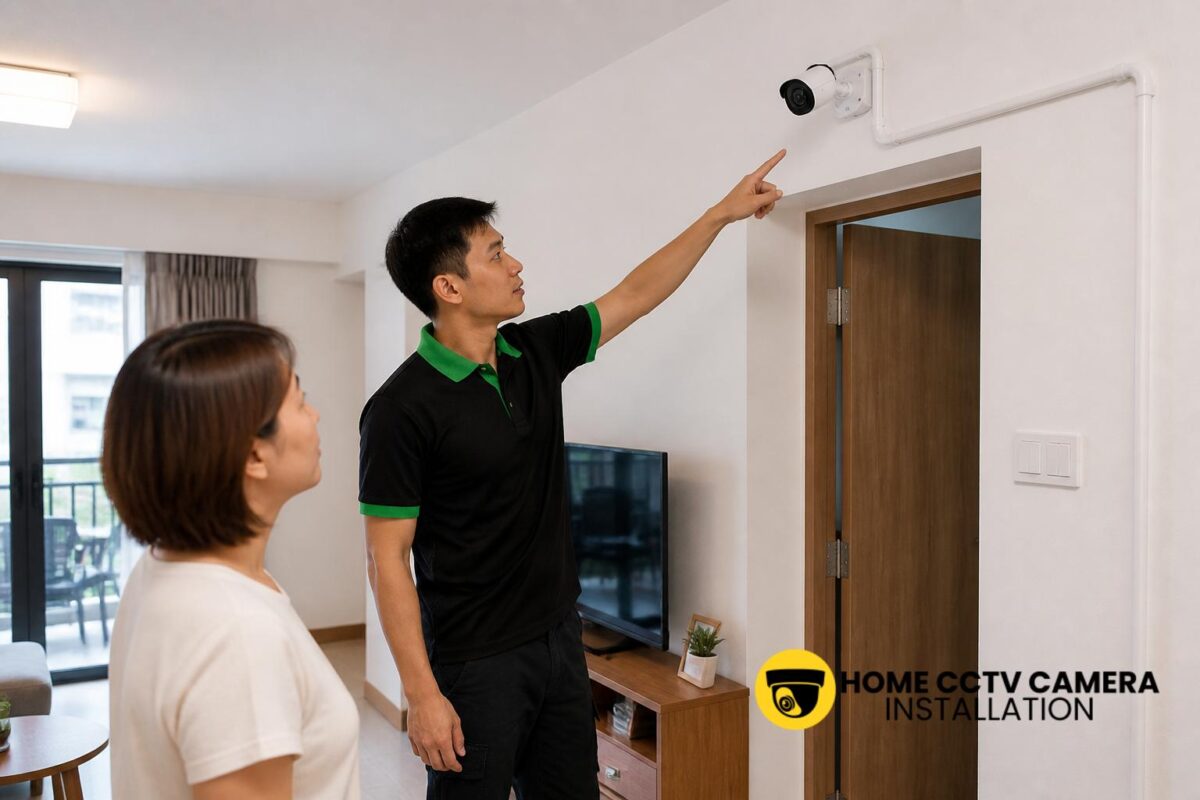
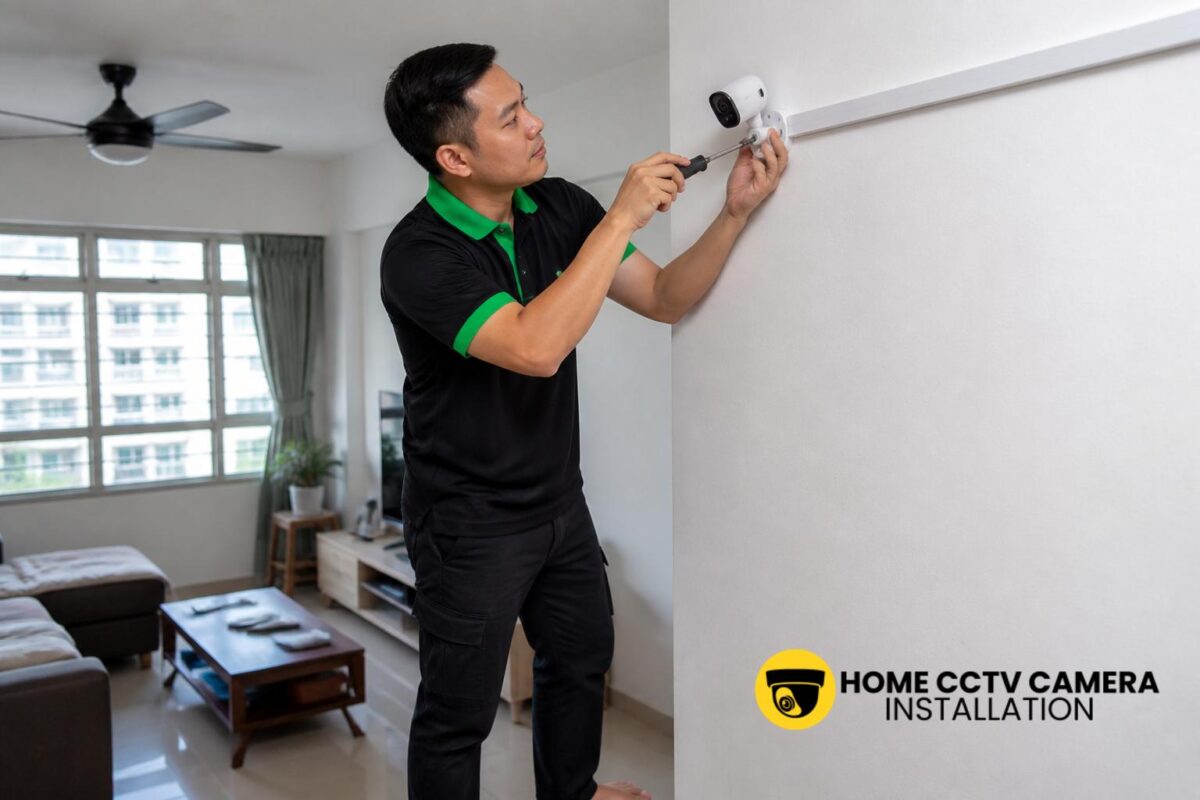
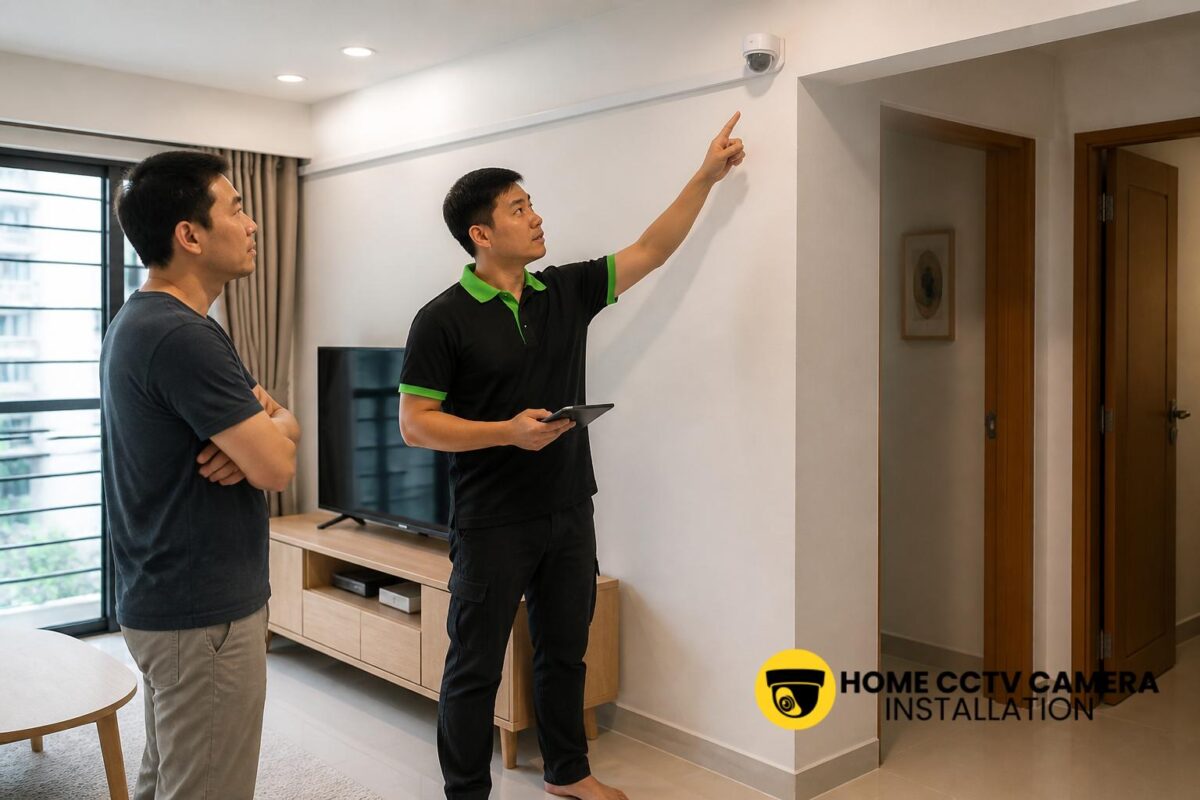
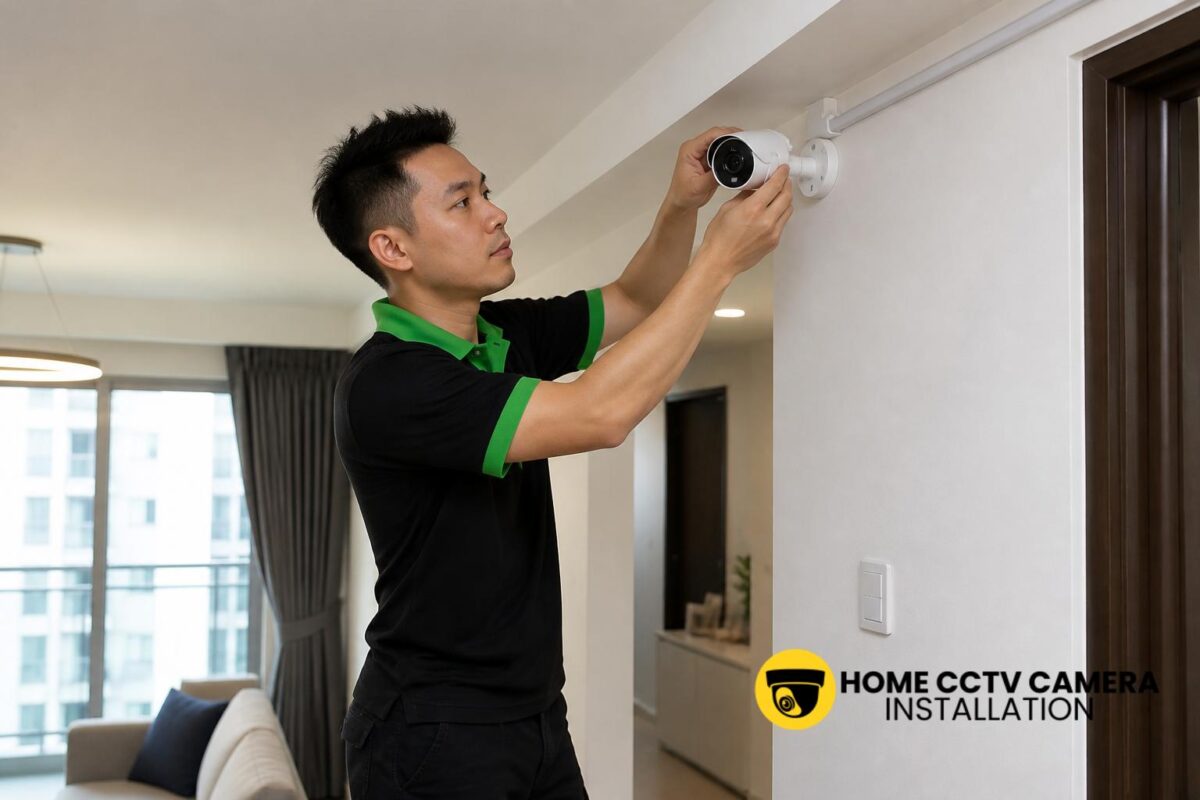
The storage choice should be made alongside the actual installation plan. For home CCTV in Singapore, camera placement, power point availability, cable routing and the number of recording points all affect whether memory card or cloud storage is more suitable. A well-planned setup for an HDB flat may only need one or two cameras, while a landed home may require a more considered approach with multiple angles and neater cable management.
Wired installations can be especially relevant where homeowners want stable power and a cleaner finish. In such cases, the installer may also advise on whether the cameras will record locally, on the cloud, or through a mix of both. Choosing storage after the installation plan is clear helps avoid mismatched expectations later.
When a mixed approach makes sense
Some homeowners prefer to use both memory card and cloud storage together. This can provide a practical balance: local recording for everyday footage, plus cloud backup for selected clips or events. Not every camera model supports this, so it is worth confirming compatibility before purchase or installation.
A mixed approach may be useful in households that want flexibility without committing fully to one system. For example, a front door camera might use cloud storage for easier access, while a side or back camera uses a memory card for basic local recording. This kind of setup can suit Singapore homes that want to manage costs while still keeping footage accessible.
If you are planning a new home CCTV setup or comparing storage options for your existing cameras, WhatsApp Home CCTV Camera Installation Singapore to discuss your property type, the number of cameras, whether you need supply-and-install or installation-only support, your preferred camera locations, and any cabling or power-point requirements for a quotation.
Conclusion
For Singapore homeowners, there is no one-size-fits-all answer. Memory card storage is usually simpler and more economical, making it a strong choice for straightforward home CCTV setups. Cloud storage offers easier remote access and off-site recording, but comes with ongoing fees and a greater dependence on internet connectivity. The best option is the one that matches your home layout, viewing habits and budget over time.
Before deciding, consider where the cameras will be mounted, how often you expect to review footage, and whether you prefer a one-off setup or an ongoing subscription model. A clear plan at the installation stage will make the system more practical and easier to manage in daily use.
Choose Home CCTV Camera Installation Singapore
Home CCTV Camera Installation Singapore helps homeowners enhance security through professionally installed home CCTV systems across Singapore. Whether you require full supply and installation or home CCTV installation support for your home, our team ensures a clean and reliable setup.
We install a wide range of CCTV cameras, including IIP cameras, IP security cameras, surveillance cameras, and other configurations designed for residential use. Our CCTV installation services cover proper camera mounting, neat cabling, and power point installation where necessary, ensuring your home CCTV operates smoothly with clear and consistent coverage.
Home CCTV Camera Installation Singapore provides reliable Home CCTV installation services for HDB flats, condominiums, and landed homes. With a focus on quality installation and practical system planning, we help homeowners secure their living spaces with confidence. WhatsApp +65 8241 0032 to arrange your home CCTV installation today.
Frequently Asked Questions
Is a memory card enough for home CCTV in Singapore?
It can be enough for many homes, especially if you only need basic recording for a few cameras. It is a simple option with no monthly fee, but storage capacity is limited and older footage is usually overwritten once the card is full.
Does cloud storage replace the need for a memory card?
Not always. Some cameras rely on cloud storage alone, while others can use both cloud and local storage. Whether a memory card is still needed depends on the camera model and the type of recording plan you choose.
Which storage option is better for HDB flats and condominiums?
Both can work well in HDB flats and condominiums. Memory cards are often preferred for simpler and lower-cost setups, while cloud storage may suit homeowners who want easier remote access to clips and are comfortable with subscription fees.